harm-reduction
(12)
The Kids Who Learned to Move City Hall
CivCom began with teenagers calling out tobacco marketing. Now it helps public-health coalitions turn local voices, research and stubborn follow-through into policies that stick.

The $7.1 Billion Tobacco Challenger Betting Its Next Act Fits in a Pouch
ITG Brands was assembled from century-old labels and a modern divestiture. Now America's third-largest tobacco company is using the reach of Winston, Kool and Backwoods to chase growth in oral nicotine - while regulation keeps rewriting the map.
Imperial Brands PLC
The smallest global tobacco major is trying to turn an apparent disadvantage into a strategy - defend five profitable cigarette markets, build three smoke-free categories, and move faster than the giants around it.

Xin Du
Xin Du (Steven Xin Du) is the founder and CEO of WONZ Technology, a medical-device and digital-health startup building consumer devices for smokers and non-invasive bioelectronic products. A trained scientist with postdoctoral research experience tied to Dana-Farber Cancer Institute and Harvard Medical School, Du crossed from the lab into venture capital as a founding partner of Niniu Capital and founder of Neeo Fund before starting WONZ in 2020. He splits his world between a San Francisco base and a Hong Kong-registered company, running a small team that has filed more than a hundred patents and raised through Series A.

Ria Health
Ria Health is a San Francisco-based telehealth company that treats alcohol use disorder entirely online. Founded in 2015 by addiction physician Dr. John Mendelson, it combines FDA-approved anti-craving medications (including naltrexone and The Sinclair Method), recovery coaching, digital progress tracking and a smartphone breathalyzer into a physician-managed program available in all 50 states. Ria treats drinking as a medical condition rather than a moral failing, offering flexible goals from moderation to abstinence, with care reimbursed by major insurers.
WONZ Technology
WONZ Technology is a digital health company built around one goal: helping the world's roughly 1.5 billion smokers cut their exposure to the harmful byproducts of combustion. Founded by Xin (Steven) Du in 2020, WONZ pairs hardware - heat-not-burn smart devices sold under the CIGPAL brand - with digital intervention software, an exhaled-CO tester, and AI-guided coaching. Its proprietary WHC (WONZ Heat Currents) thermal distillation technology is designed to reduce inhalation of more than 90% of the main harmful substances in cigarette smoke while easing cravings and withdrawal. The company holds over 100 patents and has raised more than US$13 million from investors including XVC.

DopaGE
DopaGE is a Los Angeles-area health education company that trains young adults to prevent, recognize, and respond to drug overdoses through gamified, neuroscience-informed online courses. Built by physicians, neuroscientists, and emergency medical personnel and grown out of the student non-profit T.A.C.O., DopaGE sells annual subscriptions to colleges and offers family training so students can learn life-saving skills - fentanyl awareness, naloxone use, and overdose response - in a format they actually want to complete.

Pascal Metrics
Pascal Metrics is a Washington, DC and Austin-based healthcare data analytics company that turns real-time electronic health record data into clinically validated adverse-event outcomes. As a U.S.-certified Patient Safety Organization (PSO #0047), it operates the Pascal Platform - anchored by trigger-based surveillance and machine-learning models - to help hospitals and health systems detect, predict, and reduce preventable patient harm. Founded in 2007 and named after Blaise Pascal, the 'founder of risk management,' the company claims one of the largest validated adverse-event outcomes datasets in the world.

Madeline Hilliard
Madeline Hilliard is the founder and CEO of DopaGE, a gamified overdose-prevention education platform built by physicians, neuroscientists, and video-game engineers for colleges and healthcare organizations. A USC computational-neuroscience graduate and Nationally Registered EMT who treated overdose patients in ambulances and ERs, she founded the nonprofit Team Awareness Combating Overdose (T.A.C.O.) in 2020 the same day a college friend died from a polysubstance overdose. T.A.C.O. now runs on roughly 300 student volunteers nationwide and is credited with saving lives in the four digits. She and co-founder Amanda Grennan were named to the 2023 Forbes 30 Under 30 list in Education.
Lucy
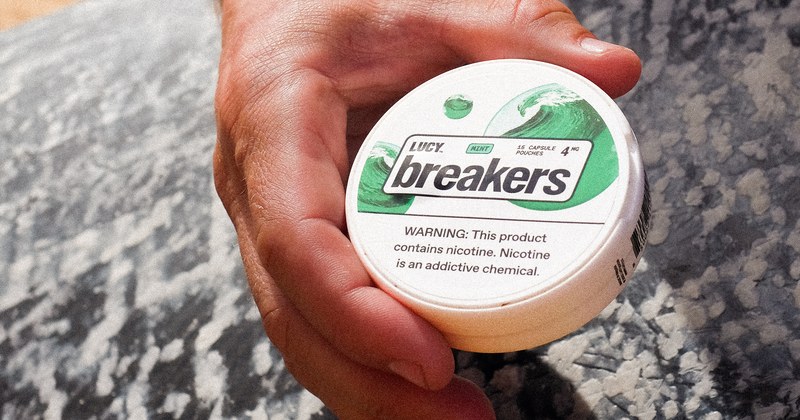
Lucy (Lucy Goods Inc.) is a Los Angeles-based consumer products company building tobacco-free nicotine products for adults - nicotine gum, pouches, lozenges, and its capsule-popping Breakers pouches. Founded in 2016 by three former Soylent executives, Lucy treats nicotine as a product-design and manufacturing problem rather than a tobacco one, aiming to give adult nicotine users a better-tasting, better-engineered alternative to cigarettes and dip. The company sells primarily direct-to-consumer online and in retail, and pursues FDA authorization for its products with its stated mission of reducing nicotine-related harm.
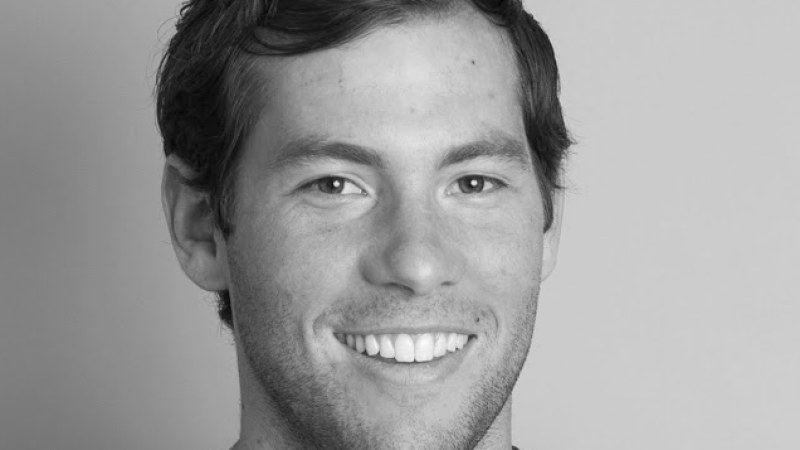
David Renteln
David Renteln is the co-founder and CEO of Lucy, a Los Angeles consumer brand making tobacco-free nicotine gum and pouches built around a stated mission of reducing tobacco-related harm to zero. A Harvard human evolutionary biology graduate and former Harvard Rugby president, he deferred a Caltech bioengineering PhD to help build Soylent, where he served as co-founder and chief marketing officer. In 2016 he started Lucy with Soylent alumni John Coogan and Samy Hamdouche, raised a $10M Series A in 2020 from RRE Ventures, Vice Ventures, Greycroft and Y Combinator, and has since pushed nicotine into the productivity-and-wellness conversation.

Ophelia
Ophelia is a New York-based telehealth company making evidence-based opioid use disorder (OUD) treatment available from home. It connects people to licensed clinicians for medication-assisted treatment (buprenorphine/Suboxone), with video visits, on-demand messaging, and care coordination, deliberately removing the friction and stigma of traditional rehab. Founded in 2019 by Zack Gray after he lost a loved one to an overdose, Ophelia focuses heavily on Medicaid and rural populations and has raised roughly $68 million, including a $50M Series B led by Tiger Global in 2021.