gtm-engineering
(7)
William Armstrong Is Building the Connective Tissue
A run club, a campaign war room, a student SaaS product and a $55 server all point to the same instinct: William Armstrong likes finding the awkward gap between people and systems, then building the missing connection.

demandDrive Bet on More Reps - Then Learned the Real Bottleneck Wasn't Headcount
The Waltham company grew up outsourcing SDR teams. Its more interesting act is turning the messy machinery behind B2B sales - routing, research, marketing, CRM data and handoffs - into one operating system.

Ishan Chhabra Put Product Last - and Found Oliv's Point
After years of building sales software from the inside out, Ishan Chhabra reversed the order: sell the pain first, write the code last. Oliv AI is the long experiment that followed.
Clay Versus Lusha Is the Wrong Question
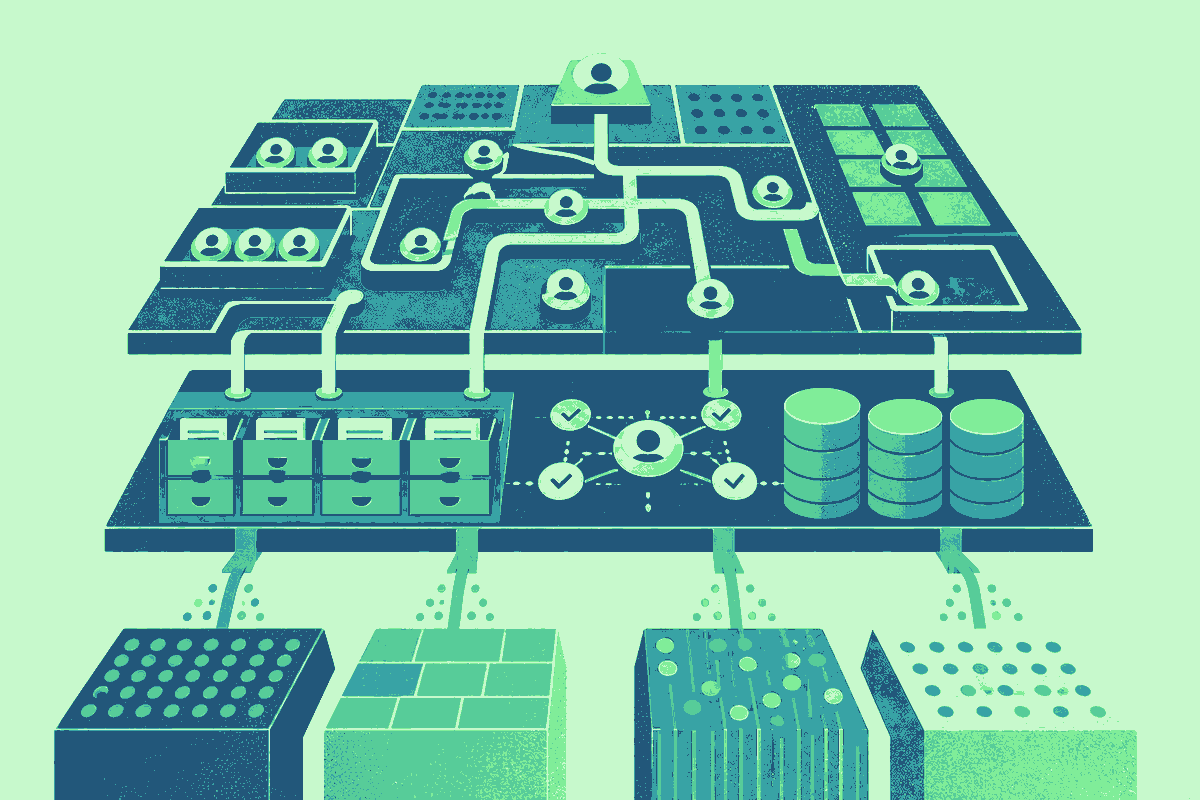
Clay can call Lusha for contact data, then route, score and act on the result. The useful choice is not which brand wins, but which layer your team actually needs.

HyperGrowth Partners Takes Equity to Fix the Awkward Years After Product-Market Fit
The San Francisco collective pairs veteran operators with Series A-E software companies, then trades the consulting playbook for weekly experiments, technical growth systems and mostly equity-based compensation.

Clay Is Becoming ZoomInfo’s New Front Door
Clay has not made ZoomInfo irrelevant. It has changed where revenue teams decide how, when and whether ZoomInfo data gets used.
Clay
Clay is a go-to-market (GTM) development platform that combines data from 130+ providers, workflow automation, and AI research agents into a single spreadsheet-style workspace. Teams use it to enrich records, find contact data through 'waterfall' lookups, research accounts with the Claygent AI agent, and trigger personalized outbound - turning growth ideas into automated systems. Founded in 2017 and based in New York, Clay serves more than 14,000 customers including OpenAI, Anthropic, Canva and Intercom, and raised a $100M Series C in August 2025 at a $3.1B valuation.