genome-engineering
(11)
Ben Lamm’s Strangest Startup Is a Backup Plan for Nature
After five exits, the Texas entrepreneur could have kept making software. Instead, he called geneticist George Church and turned a woolly mammoth into a company-building problem.

Be Biopharma
Be Biopharma (Be Bio) is a Cambridge, Massachusetts biotechnology company pioneering a new class of therapies called Engineered B Cell Medicines (BCMs). By precisely gene-editing a patient's own B cells - nature's protein factories that can secrete high volumes of protein for decades - Be Bio aims to deliver durable, potentially re-dosable treatments for hemophilia, rare genetic diseases, and other serious conditions. Founded in 2020 out of Seattle Children's Research Institute and Longwood Fund, the company has raised roughly $356 million and, as of early 2025, advanced to a multi-program clinical-stage company led by CEO Joanne Smith-Farrell, Ph.D.

Form Bio
Form Bio is an Austin-based computational life sciences company that builds AI-driven software to speed up the design, characterization, and manufacturing of genetic medicines, especially adeno-associated virus (AAV) cell and gene therapies. Spun out of Colossal Biosciences in 2022 with a $30M Series A, its platform lets scientists model billions of therapeutic vector designs in silico to improve efficacy, safety, and manufacturability before ever entering the lab, targeting the manufacturing bottleneck that drives the majority of FDA rejections in the field.
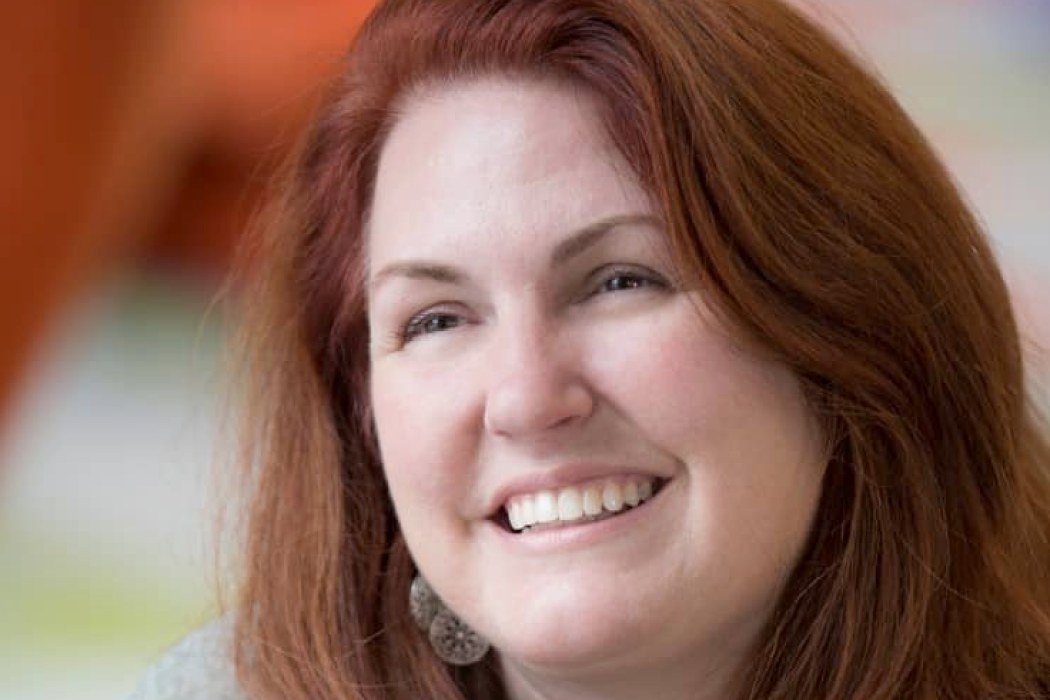
Joanne Smith-Farrell
Joanne Smith-Farrell is the President and CEO of Be Biopharma, a Cambridge, Massachusetts company building a new class of medicines from engineered B cells - the body's own protein factories. A physicist by training who moved into drug development, she has spent more than 25 years leading teams tackling cancer and rare diseases, most notably building bluebird bio's 400-person oncology cell therapy business behind the CAR-T therapy Abecma. Since taking the helm at Be Bio in early 2021, she has steered the company through more than $350 million in funding as it works to turn B cells into durable, in vivo sources of therapeutic proteins.

TeselaGen Biotechnology
TeselaGen Biotechnology builds an AI-powered, cloud-based operating system for biological R&D. Spun out of the Department of Energy's Joint BioEnergy Institute and founded by Stanford and Berkeley scientists, its platform - organized around the Design-Build-Test-Learn cycle with DESIGN, BUILD, TEST and DISCOVER modules - lets researchers design DNA libraries, generate lab-robot assembly protocols, capture experimental data and apply machine learning to converge on better biological products faster. Customers span industrial biotech, biopharma and academia, including Amgen, LanzaTech, Twist Bioscience, Arzeda and Stanford.
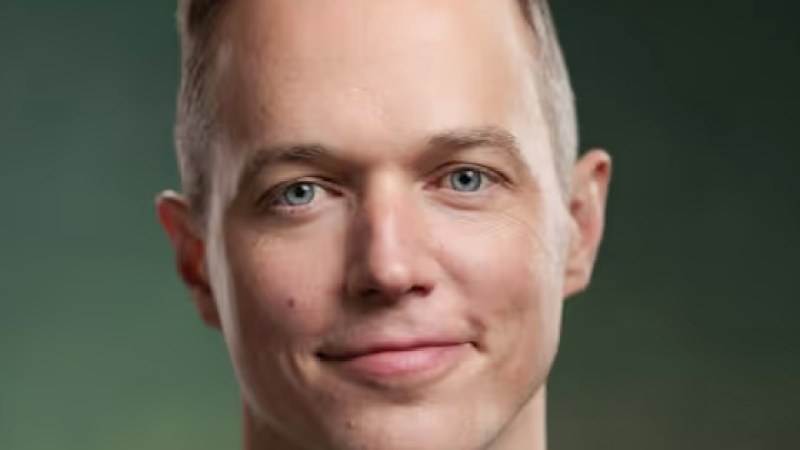
Geoffrey von Maltzahn
Geoffrey von Maltzahn is the co-founder and CEO of Lila Sciences, a Cambridge company building what it calls scientific superintelligence: AI plus robotic labs that run the scientific method autonomously. A general partner at Flagship Pioneering, he has founded or co-founded a string of companies including Generate:Biomedicines, Tessera Therapeutics, Indigo Agriculture, Sana Biotechnology, Seres Therapeutics and Quotient Therapeutics, which together carry more than $10 billion in market value. He holds a PhD from the Harvard-MIT Division of Health Sciences and Technology and is named on more than 200 patents.

Arsenal Biosciences, Inc.
Arsenal Biosciences (ArsenalBio) is a clinical-stage, programmable cell therapy company in South San Francisco engineering CAR-T cell therapies for solid tumors. By combining CRISPR genome engineering, synthetic biology, high-throughput target discovery and machine learning, it builds 'integrated circuit T cells' that carry logic gates and multiple drug functions to attack tumors while sparing healthy tissue. Founded in 2019 by surgeon-executive Ken Drazan with leading academic immunologists, the company has raised roughly $850M total, including an oversubscribed $325M Series C in 2024 backed by ARCH, NVIDIA's NVentures, Regeneron Ventures and Bristol Myers Squibb.

eGenesis
eGenesis is a Cambridge, Massachusetts clinical-stage biotechnology company using multiplex CRISPR gene editing to engineer pig organs that the human body will accept. Its EGEN platform makes dozens of edits to a porcine genome at once - removing pig antigens, adding human genes, and inactivating embedded retroviruses - to create kidneys, livers, and hearts intended to ease the global organ shortage. In 2024 its lead candidate became the basis of the world's first gene-edited pig kidney transplant in a living patient, and in 2025 the FDA cleared it for a formal clinical trial.

Meiogenix
Meiogenix is a French-American agricultural biotech company that re-engineers one of nature's oldest tricks - meiotic recombination, the gene-shuffling that happens when plants make seeds. Instead of editing single genes like CRISPR, its proprietary SpiX and dCas9-SPO11 platforms steer where chromosomes cross over, unlocking 'cold' regions of the genome that conventional breeding can never reach. The result: breeders can mix desirable traits, break unwanted linkage, and shrink crop development cycles from 10-plus years to as few as three, all without introducing foreign DNA. Founded in 2010 as a spin-off from Institut Curie and INRA, the company targets the $50B+ commercial seed market across corn, wheat, rice, tomato and soybean, and licenses its technology to partners including Bayer.

Eric Abbate
Eric Abbate is a synthetic-biology scientist turned CEO who led Solar Biotech, a Virginia-based startup building solar-powered, water-neutral fermentation plants to make biodesigned cosmetics, food ingredients and bioelectronic components. A UC Berkeley-trained molecular and cell biologist, he ran high-throughput genome-engineering and analytical biochemistry teams at Inscripta and was corresponding author on a widely cited paper on optimizing strain engineering for industrial-scale production. He steered Solar Biotech from lab science toward a modular 'BioNodes' manufacturing model before the company entered Chapter 11 in 2024 with plans to sell its assets and reboot.
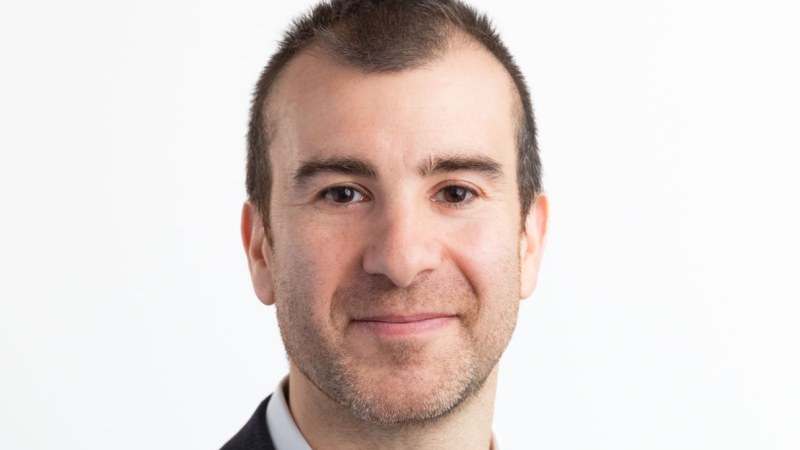
Marc Lajoie
Marc Lajoie is a protein designer turned biotech CEO. He co-founded Outpace Bio in 2021 in Seattle, where he is chief executive, building engineered cell therapies that aim to bring the kind of cures seen in blood cancers to the solid tumors that make up the vast majority of cancer cases. Trained in George Church's genome-engineering lab at Harvard and David Baker's Institute for Protein Design at the University of Washington, Lajoie helped pioneer the design of proteins with moving parts - molecules that compute, switch, and make decisions inside living cells. Outpace raised a $144M oversubscribed Series B in 2024 to push its AI-powered, protein-designed therapies toward the clinic.