genetic-medicines
(10)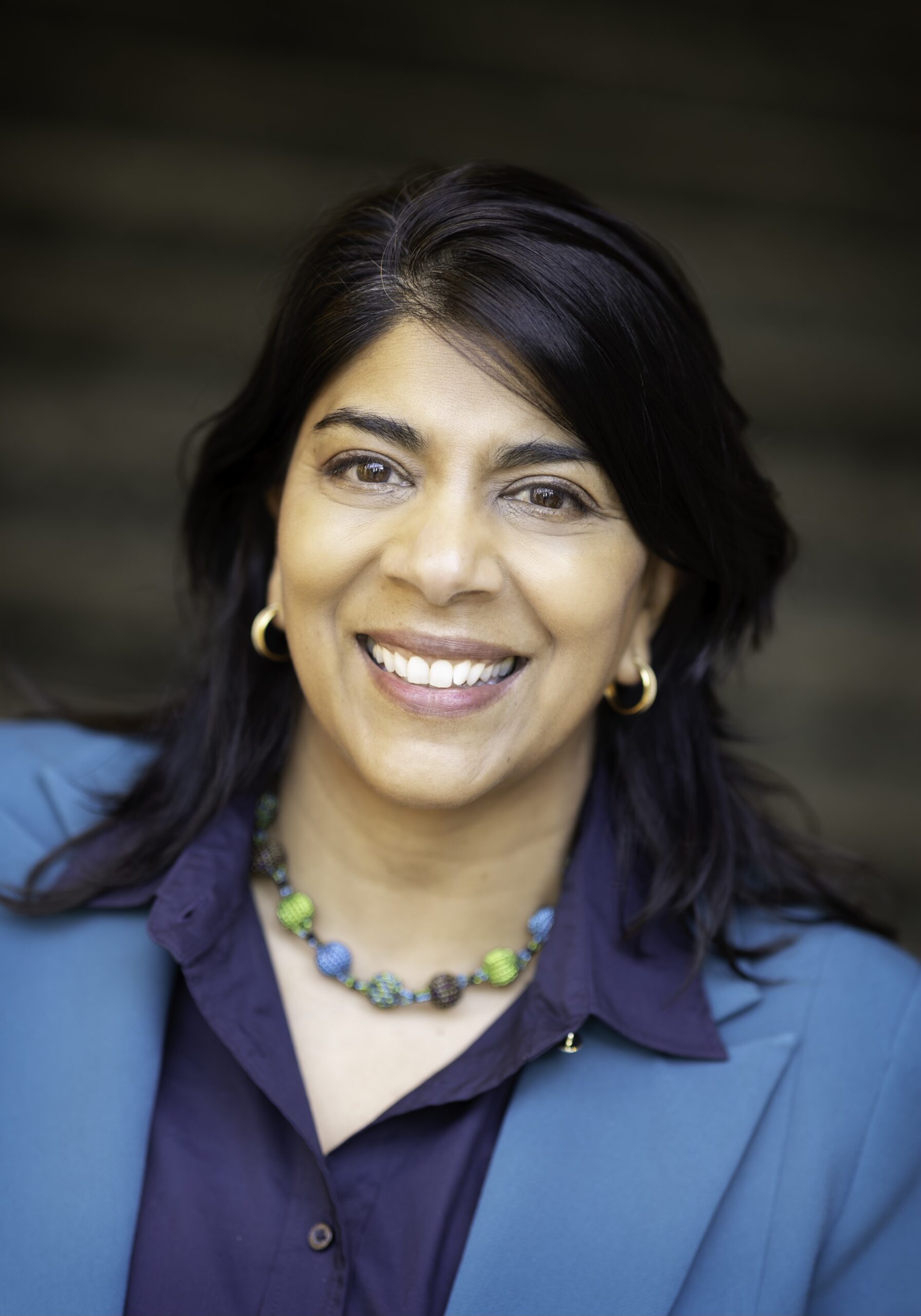
Shehnaaz Suliman built a career by changing the scale of the problem
From Cape Flats protests to Oxford, Wall Street and the biotech boardroom, Suliman kept asking one question: how can one decision reach more people?
Alnylam Pharmaceuticals
Alnylam spent 16 years teaching a fragile strand of RNA to reach the right cells. Now its gene-silencing medicines are a multibillion-dollar business - and the next test is whether the same platform can move from rare diseases into the medical mainstream.
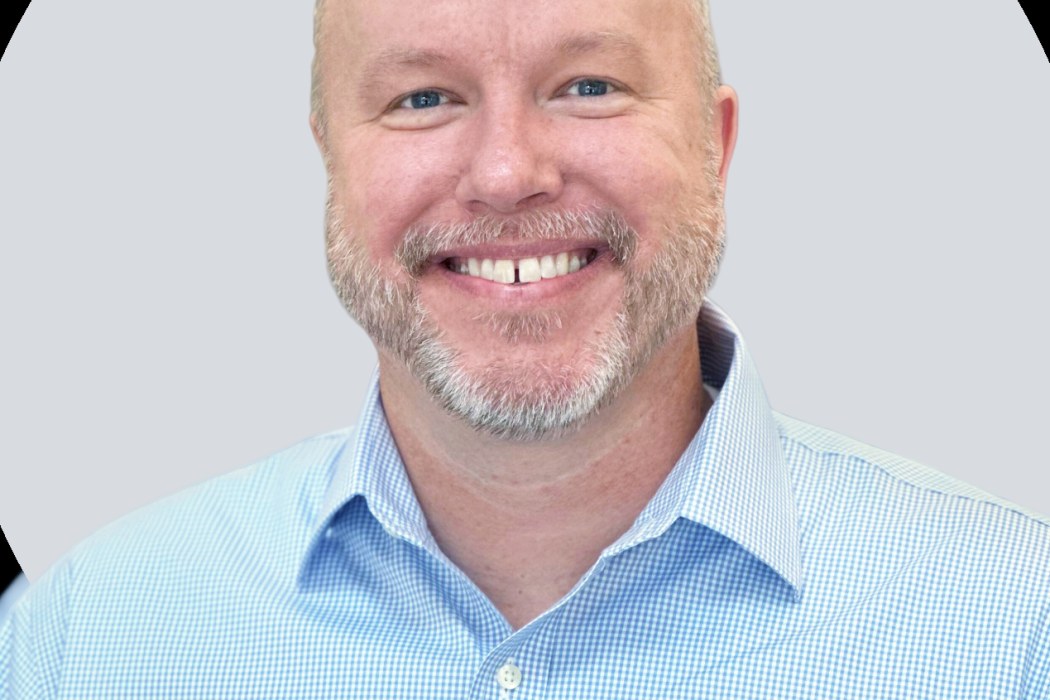
Chris McNulty
Chris McNulty is the interim CEO of Ring Therapeutics, a Cambridge, Massachusetts biotech developing genetic medicines that use commensal anelloviruses as delivery vectors. An MIT-trained engineer with a Harvard MBA, he joined Ring in May 2023 as Chief Financial Officer and Head of Corporate Strategy and stepped up to lead the company in December 2024. Over more than 15 years in pharma and biotech finance, he has closed financing transactions worth more than $300 million across companies including VBI Vaccines, InVivo Therapeutics, Repligen, and Genzyme.
Ring Therapeutics
Ring Therapeutics is a Cambridge, Massachusetts biotechnology company founded by Flagship Pioneering to build a new class of gene therapy delivery vectors from anelloviruses - the most abundant and diverse family of viruses that naturally and harmlessly live inside the human body. Because these commensal viruses evade the immune system, Ring's AnelloVector platform aims to solve gene therapy's biggest limitations: the inability to re-dose patients, pre-existing immunity, and narrow tissue targeting. Through its Anellogy discovery platform and AnelloBricks in-vitro manufacturing technology, Ring is engineering re-dosable, tissue-specific, scalable vectors intended to carry a wide range of therapeutic payloads.
Christian Cobaugh
Christian Cobaugh is a molecular biologist turned biotech operator who has spent more than 15 years at the frontier of genetic medicines. In January 2026 he became CEO of Alloy Genetic Medicines, the nucleic-acid division of Alloy Therapeutics, where he leads work on the AntiClastic cyclic nucleic acid platform for ASOs, siRNA, and other RNA therapeutics. He is best known for founding Vernal Biosciences, an mRNA contract manufacturer he built in Colchester, Vermont, on the premise that everyone who needs mRNA should be able to get it. Before Vernal he was the first scientist in the Alexion-Moderna mRNA partnership and held discovery, development, and manufacturing roles at Arcturus Therapeutics, CRISPR Therapeutics, Translate Bio, and Omega Therapeutics.
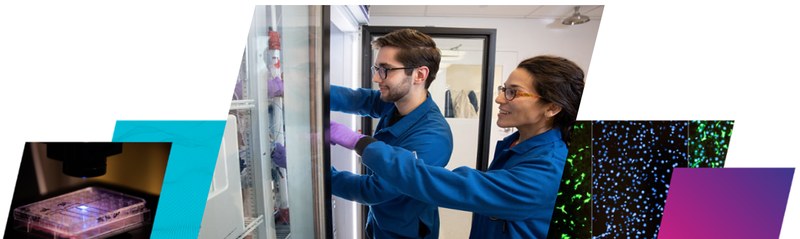
Aera Therapeutics
Aera Therapeutics is a Cambridge, Massachusetts biotech founded on a discovery from CRISPR pioneer Feng Zhang: human proteins that can self-assemble into capsid-like shells and ferry genetic cargo into cells. The company is building delivery platforms - protein nanoparticles, targeted lipid nanoparticles, and antibody-oligonucleotide conjugates - to solve the field's most stubborn problem: getting genetic medicines to the right tissue. Launched publicly in 2023 with $193M and led by Alnylam veteran Akin Akinc, Aera is betting that delivery, not the drug itself, is the bottleneck holding back the next generation of genetic medicine.

Alloy Therapeutics, Inc.
Alloy Therapeutics is a biotechnology ecosystem company that democratizes access to the tools, platforms, and expertise needed to discover and develop new drugs. Founded in 2017 by Errik Anderson and headquartered in the Boston area (Lexington, Massachusetts), Alloy gives more than 200 partners non-exclusive, affordable access to proprietary technologies - led by its royalty-free ATX-Gx transgenic-mouse antibody discovery platform - along with discovery services and a venture studio that builds new biotech companies. Its model is unusual: Alloy reinvests revenue into innovation and its controlling stock cannot be sold. In April 2026 the company raised a $40M Series E at a $1B valuation.
BreezeBio
BreezeBio (formerly GenEdit) is a Brisbane, California-based biotechnology company that develops precision genetic medicines using its proprietary NanoGalaxy platform - a library of polymer nanoparticles capable of delivering genetic payloads like mRNA, siRNA, and CRISPR components to specific tissues without triggering immune responses. Unlike viral vectors that can only be dosed once and often provoke dangerous immune reactions, BreezeBio's non-viral approach allows repeat dosing, broad payload flexibility, and tissue selectivity across immune cells, heart, lung, and CNS. Founded in 2016 out of UC Berkeley by CEO Dr. Kunwoo Lee and CTO Dr. Hyo Min Park, the company rebranded from GenEdit in early 2026 following its $60M Series B, signaling a shift from delivery-platform licensor to full therapeutic developer with a lead program (BRZ-101) targeting Type 1 Diabetes.

ReCode Therapeutics
ReCode Therapeutics is a clinical-stage genetic medicines company using its Selective Organ Targeting (SORT) lipid nanoparticle platform to deliver mRNA and gene-correction therapies beyond the liver. Its lead programs target cystic fibrosis and primary ciliary dyskinesia - rare respiratory diseases where existing modulators leave many patients without options.
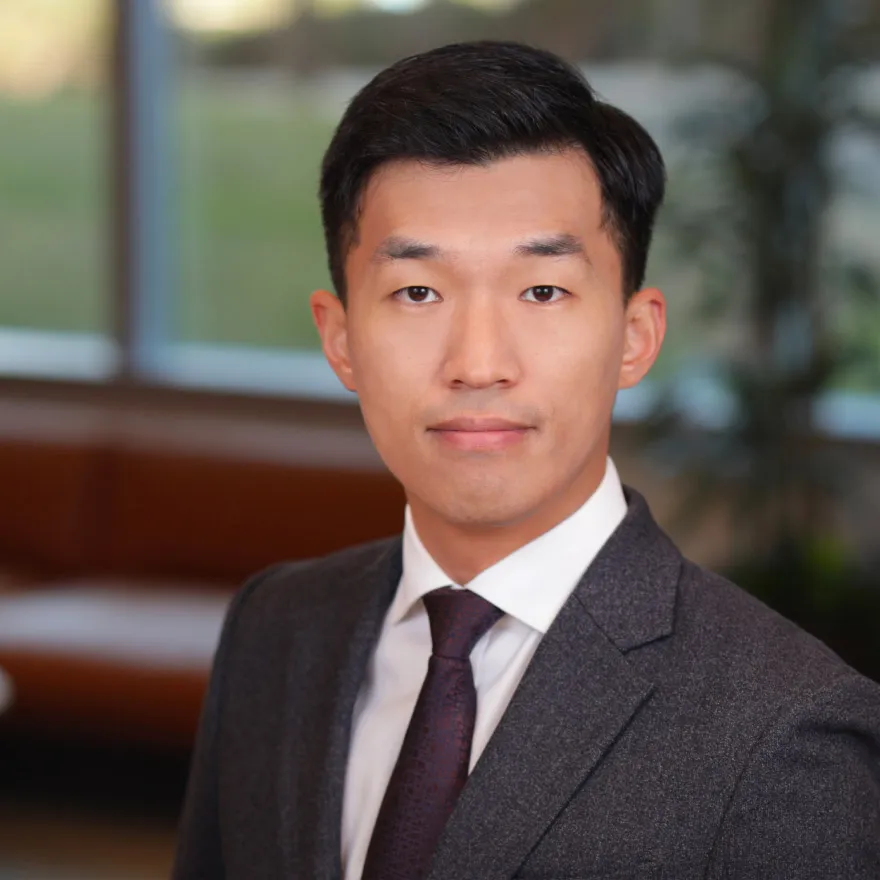
Kunwoo Lee
Kunwoo Lee is the CEO and Co-founder of BreezeBio (formerly GenEdit), a Brisbane, California-based biotech company pioneering non-viral gene delivery through its proprietary NanoGalaxy platform. A Siebel Scholar and Forbes 30 Under 30 honoree who earned his PhD from UC Berkeley-UCSF Joint Program in Bioengineering, Lee co-founded GenEdit in 2016 alongside Professor Niren Murthy and fellow researcher Hyo Min Park, building out a polymer nanoparticle library of thousands of chemically distinct compounds capable of delivering diverse genetic payloads to specific tissues. The company has raised over $118 million including a $60M Series B in February 2026, struck a landmark $644M collaboration deal with Genentech, and rebranded to BreezeBio to signal its pivot from platform company to clinical-stage therapeutics developer advancing BRZ-101 for Type 1 Diabetes.