financial-operations
(19)
Escalon Services: growth without the paperwork hangover
A funding round can turn a founder’s makeshift books into an investor’s urgent question. Escalon sells the finance, HR, and tax support that growing companies need before the paperwork starts running the business.

Maxio and the Invoice That Changed Everything
Before Maxio became a platform for SaaS and AI finance, one of its predecessors learned a useful lesson: people admire a quarterly dashboard, but they pay to fix a daily headache.
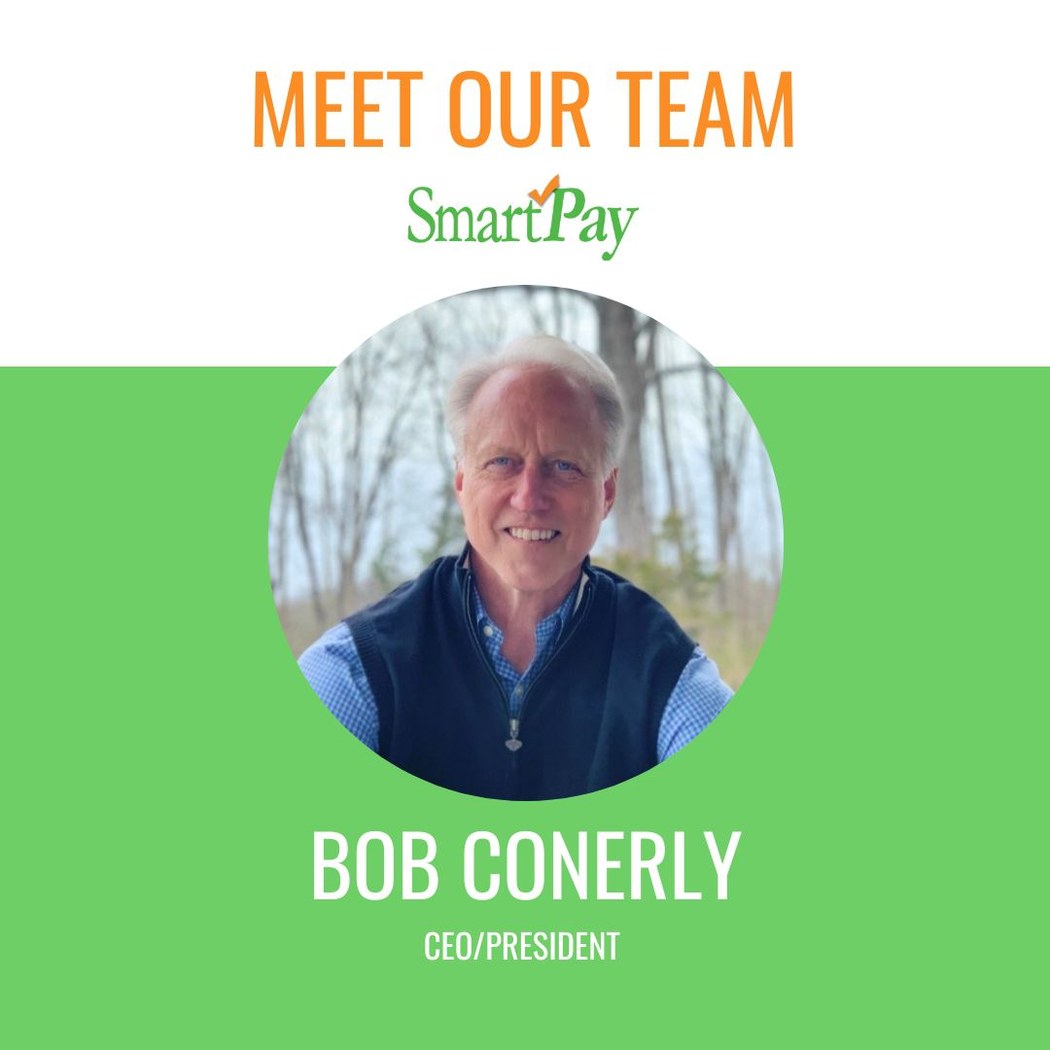
Bob Conerly and the Quiet Arithmetic of Paying as You Go
The SmartPay chief spent decades learning how money moves through complicated businesses. Now he applies that discipline to one stubborn insurance problem: making the bill follow the work.

Domenic Miele and the quiet machinery behind alternative investing
For more than two decades, Domenic Miele has worked where private-market ambition meets the rules that let it operate. At Alto, the longtime operations and compliance executive now carries both the chief executive title and the duty to keep the machinery honest.

Kaval Kaur Built the Back Office That Could Carry the Big Idea
Before two enterprise-software companies, there were invoices, contracts and a promise to become self-reliant. Kaval Kaur's career is a study in the quiet architecture that lets ambitious ideas survive.

Ashley Emala Put Italy on the Only Line That Matters
After two decades spent making numbers behave, the New Jersey founder built a second act around a country she cannot stop revisiting - and the underrated luxury of a plan that leaves room to breathe.
The banks said no. Duco kept counting.
Duco persuaded financial institutions to put reconciliation in the cloud. Its next wager is that AI agents can handle more of the work - while humans keep the receipts.

BILL Put the Back Office on Autopilot - Then Turned It Into a $371 Billion Money Highway
Small businesses came for fewer checks and cleaner approvals. BILL stayed to build the payment rails - a network moving more than 1 percent of U.S. GDP while quietly turning accounting chores into transaction revenue.
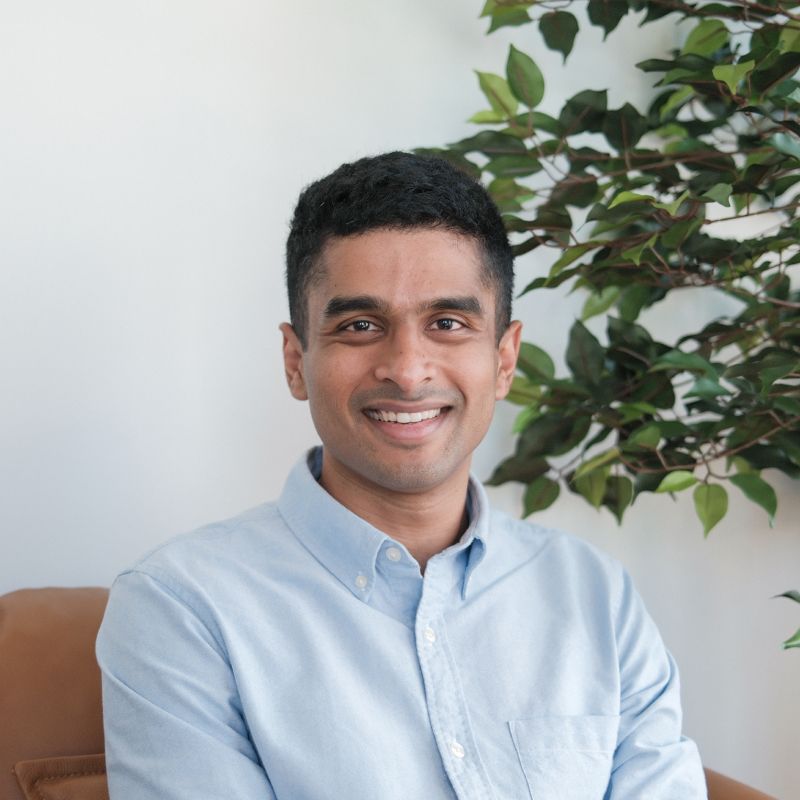
Insurance Runs on Money. Praveen Chekuri Is Rewriting the Plumbing.
After an early run through Instacart, Houseparty and a sold startup, the engineer found his next company hiding in insurance's unglamorous work: collecting, reconciling and moving money.

Nicole Sithithavorn Learned to Sell a Business - Then Had to Learn to Sell Herself
A deli conversation opened the door. A $45 million exit proved the operating model. Then the introverted CFO discovered the harder equation: turning expertise into a firm that could grow without consuming its founder.

Gurshabd Varaich Is Teaching Finance AI to Show Its Work
A BitGo internship showed the Waterloo engineer how much financial work still lives between spreadsheets, source records and sign-offs. Now he and two classmates are building Definite around a stubborn idea: an AI-generated number is only useful when it arrives with receipts.

The Accountant Who Decided Bookkeeping Should Feel Like Software
Matt Gardner shut down a traditional CPA practice to rebuild it as Hiline - one team, one bill, and technology that keeps small-business numbers current instead of three weeks late.
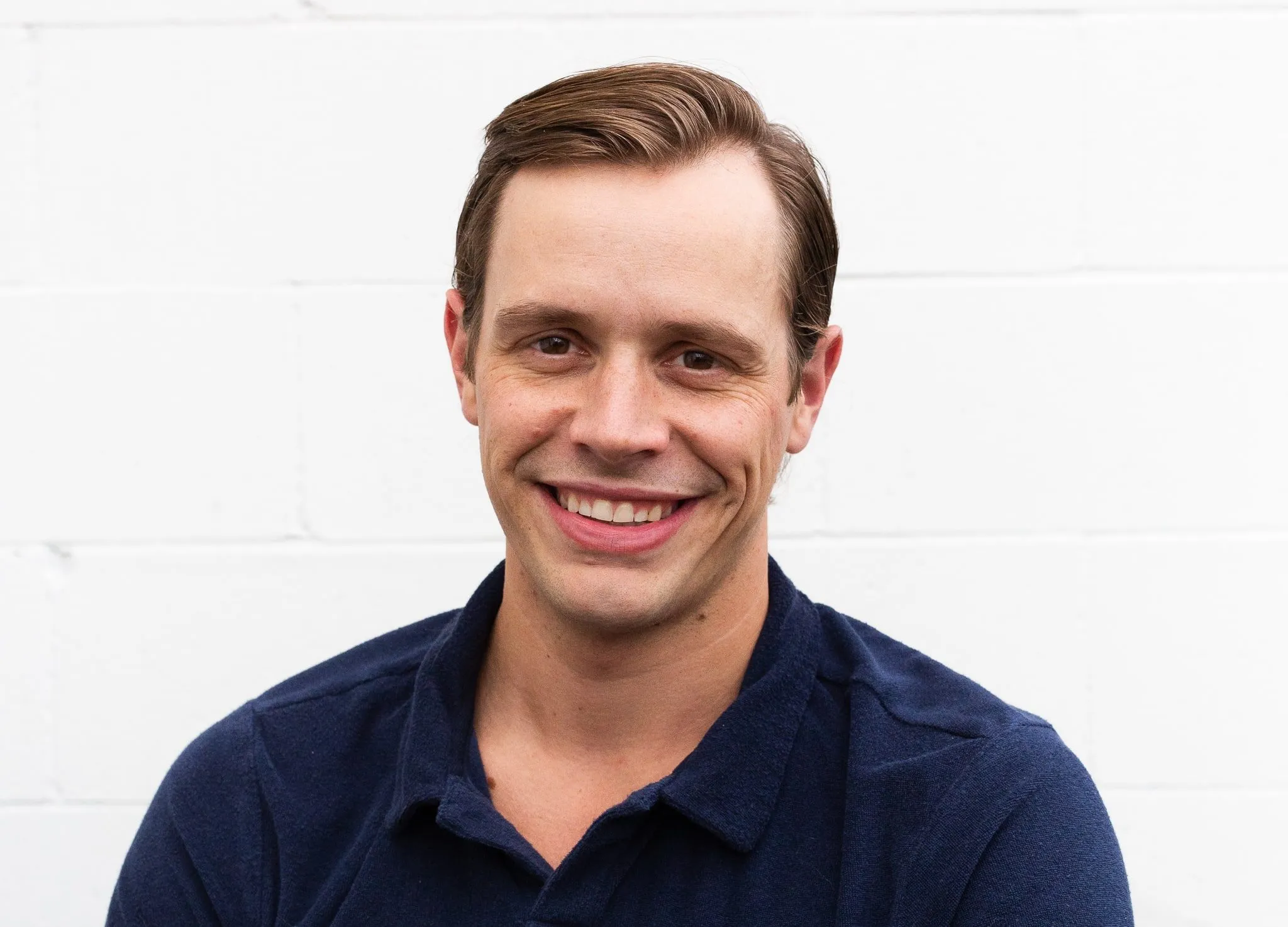
Andrew Wynn Is Building for the Unflashy Part of Insurance
From a mango supply chain in Senegal to a desk inside an Instacart house, Wynn learned to look for the work hiding between people and systems. Ascend is his attempt to clear that work from insurance - one invoice, reconciliation and payment at a time.

Coinshift Is Trading the DAO Back Office for Wall Street's Private-Credit Machine
Coinshift began by helping crypto teams count and move their money. Five years later, it is packaging institutional credit for Ethereum - a revealing pivot from servicing onchain finance to manufacturing its assets.

York IE Wants to Be the Startup Department You Forgot to Hire
The New Hampshire firm has turned a familiar founder complaint - too many advisers, not enough doers - into a business spanning investment funds, market intelligence and embedded operating teams.

When Mercury Stops Being Enough
Mercury is the clean financial cockpit many founders need on day one. NetSuite enters when the company behind that cockpit becomes too complicated to run from bank feeds and spreadsheets.
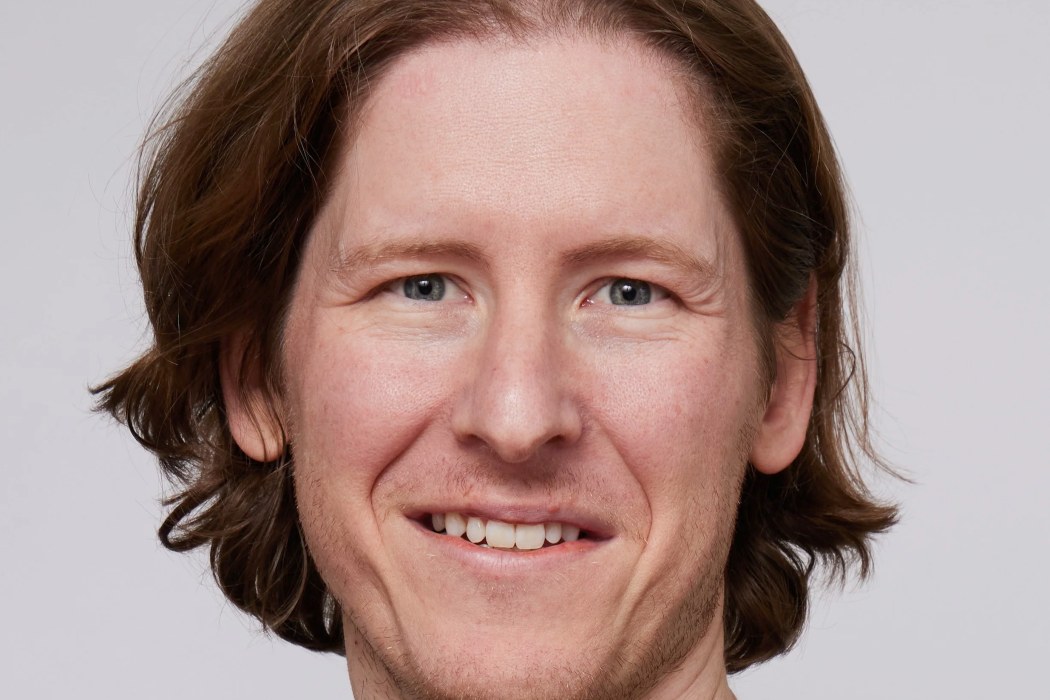
Everett Cook
Everett Cook is the co-founder and CEO of Rho, a New York-based financial operations platform that combines business banking, corporate cards, payments, and expense management for growing companies. Before founding Rho in 2018 with Alex Wheldon, Cook spent roughly a decade in global macro investing, leading research at multi-billion-dollar funds and working in the orbit of figures like Steve Cohen and Michael Bloomberg. Raised in a New York finance family, he blends the discipline of a trader with an entrepreneurial streak that started at age 14, and has raised more than $200 million to build banking software for real, operating businesses rather than consumers.

Ascend
Ascend is a San Francisco-based financial operations platform purpose-built for the insurance industry. It automates the money workflows brokers, agencies, wholesalers, MGAs and carriers deal with every day - billing and invoicing, premium collection and financing, cash application, commission reconciliation and carrier payables - so businesses close their books faster and cut manual accounting work. Founded in 2021 by Andrew Wynn and Praveen Chekuri, the company is trusted by more than 4,000 insurance businesses, including over half of the 50 largest brokers in the US, and in 2026 agreed to merge with premium finance firm Honor Capital to form what the companies describe as insurance's first fully vertically integrated, AI-powered financial operations platform.

Ramp
Ramp is a finance operations platform that combines corporate cards, expense management, bill pay, procurement, travel, treasury and accounting automation into one system. Built to save businesses time and money, it uses AI to cut manual finance work, enforce spend controls, and surface savings. Founded in 2019 by Harvard friends Eric Glyman, Karim Atiyeh and Gene Lee, Ramp serves 70,000+ organizations and reached a $44B valuation in June 2026.