fda-de-novo
(6)
The Chicago lab teaching hospitals to read your blood before sepsis reads you
Sepsis kills more Americans than all cancers combined and hides in plain sight. Prenosis spent a decade building a biobank and an algorithm to catch it in the first 24 hours - and got the FDA to say yes.

The Robot Bassinet That Talked Its Way Into the FDA
A pediatrician wrote the book on calming babies. Then he built the machine - and spent seven years convincing regulators it belonged in the medicine cabinet, not just the nursery.
Interscope, Inc.
Interscope, Inc. is a Northbridge, Massachusetts medical device company that develops the EndoRotor, a flexible, powered endoscopic resection system that dissects, resects, and collects tissue in the gastrointestinal tract without thermal energy. Founded in 2011, the company created the first flexible microdebrider designed for the digestive tract and holds the first and only FDA marketing authorization for Direct Endoscopic Necrosectomy (DEN) in walled-off pancreatic necrosis. Interscope sells to interventional gastroenterologists and hospitals, and distributes the EndoRotor system through a partnership with Micro-Tech Endoscopy.
Kintsugi
Kintsugi is a Berkeley-based AI company that built voice biomarker technology able to flag signs of clinical depression and anxiety from roughly 20 seconds of free-form speech. Founded in 2019 by Grace Chang and Rima Seiilova-Olson, it sold an API-first platform into call centers, telehealth, and remote patient monitoring before winding down operations in early 2026 and releasing its models, methods, and research into the public domain.
Clairity, Inc.
Clairity is a Boston-based healthtech company that built Clairity Breast, the first FDA-authorized AI platform that predicts a woman's five-year risk of breast cancer directly from a routine screening mammogram. Founded by Harvard radiologist Dr. Connie Lehman, the company turns images already sitting in the medical record into a forward-looking risk score, aiming to move breast care from late-stage detection toward early, equitable prevention.
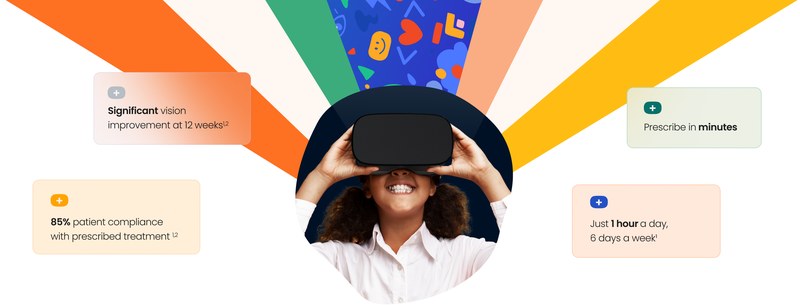
Luminopia
Luminopia is a commercial-stage digital therapeutics company that turns a child's favorite TV shows into FDA-cleared medicine for amblyopia (lazy eye). Children wear a VR headset for one hour a day, six days a week, and watch curated, real-time-modified episodes that retrain the brain to use both eyes together. Founded by Harvard dropouts and incubated at Boston Children's Hospital, Luminopia One became the first FDA-approved digital therapeutic for a neuro-visual disorder.