family-owned-business
(26)
The Agency That Bought Seven Companies - and Let Them Keep Their Names
Trozzolo began with newsletters, grew through seven acquisitions, and discovered that the cleverest way to build one agency may be to preserve several. Its bet is simple: diagnose the business problem first, then decide which kind of communication deserves to exist.
Kleidon & Associates Built 50 Years One Useful Piece at a Time
A professor started an agency for himself and his students. Half a century later, the family firm still wins by treating marketing less like a megaphone and more like a well-stocked workbench.

Metrie Built a 100-Year Business by Cutting the Paint Job in Half
The family-owned millwork company survived a century by turning trim from an afterthought into a system. Its most useful lesson for builders is simple: sell fewer decisions, fewer job-site steps and fewer reasons for a callback.
The Company That Sells America Its Fun, One Arcade Cabinet at a Time
How a Greenwich Village jukebox route became the quiet backbone of the American arcade - and why the machines eating your quarters probably arrived in a Betson truck.

Nine Siblings, One Store, and 75 Years of Not Selling Out
A St. Paul bookkeeper bought the store he balanced the books for, plastered his family's name on it, and left it to all nine of his kids. Three generations later, they still won't sell.

The Quiet Empire Behind the Parts That Keep America’s Trailers Moving
Hinton Transportation Investments built a 36-location network around an unglamorous promise: when a trailer, truck or intermodal chassis needs a part, make the answer easier, faster and closer to the customer.
The Fund That Never Sells: How Tide Rock Turned 21 Boring Businesses Into a $1 Billion Machine
Most private equity firms rent companies for five years and flip them. Tide Rock buys them with cash, keeps them forever, and mails owners a check every quarter. It is a quieter idea - and it has compounded into more than a billion dollars of buying power.
The Private Equity Firm That Would Rather Own More and Owe Less
Heartwood Partners built its pitch around an unfashionable idea in buyouts: use less debt, leave managers with meaningful ownership, and give operating teams room to grow. In a market trained to chase leverage, restraint has become the product.

The Pritzkers Built Hyatt and Marmon. Now They Buy the Companies Nobody Will Sell to a Fund.
Tony Pritzker turned a family fortune built on Hyatt and the Marmon Group into a private equity firm that sells patience - and just raised $3.4 billion on the promise it will not rush the exit.

The Company Behind Happy Meals and Stanley Tumblers Plays the Long Game
Morgan Street Holdings grew from a handshake with McDonald’s into a four-company portfolio touching logistics, loyalty, drinkware and workplace dining. Its pitch to founders is unusually simple: keep building, without an exit date hanging over the calendar.
Atlanta's Biggest Family Car Business Started on a Prison Farm
Jim Ellis turned one Chamblee Volkswagen store into 22 dealerships and 17 brands - and built a half-billion-dollar business on a handshake rule he called the Jim Ellis Promise.
White Castle Built the Fast-Food Playbook - Then Refused to Play the Franchise Game
The company that helped standardize fast food chose control over breakneck expansion. A century later, its small square burger travels through restaurants, freezer aisles, apps and now automated kiosks.
The Family Business That Put 14 Million Cases on America’s Table
Deutsch Family Wine & Spirits does not need to own every vineyard to shape what America drinks. Its real product is a repeatable way to turn family stories, distributor relationships and approachable bottles into national brands.

The $2.36 Billion Family Business Built Around One Easy Price
Sheehy Auto Stores turned one Beltway Ford dealership into a regional retail network. Its pitch is deliberately simple: more choice, less haggling and a relationship that continues in the service lane.
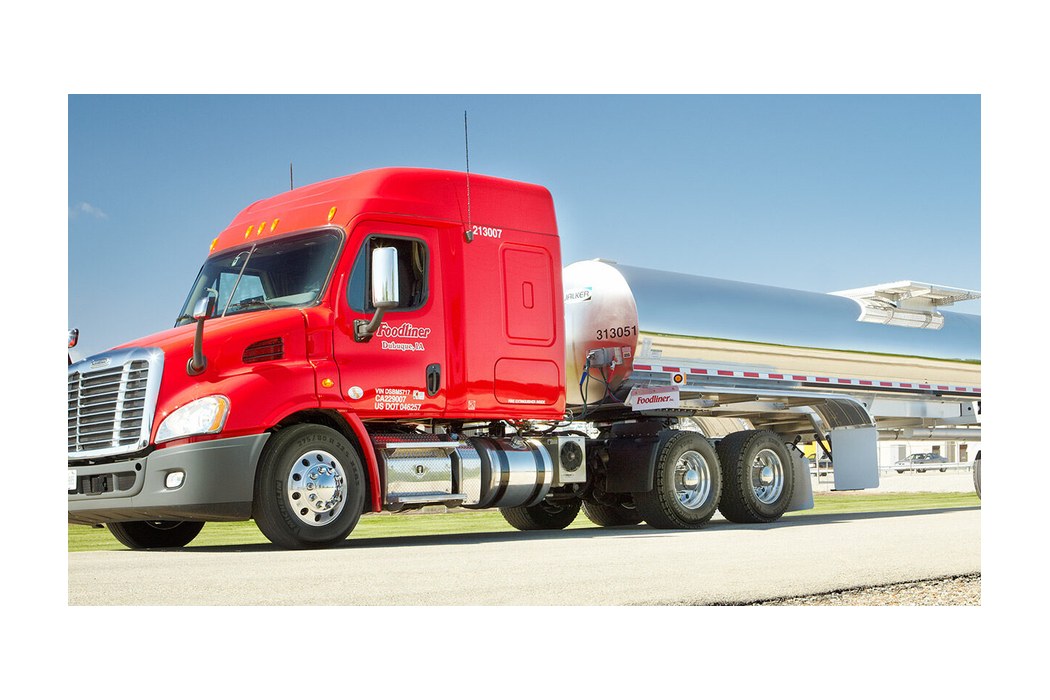
The Trucks Behind the Ingredient List
Flour, sweetener and vegetable oil do not arrive at a factory by magic. Foodliner built a continental business around the sanitary tanks, careful handoffs and local terminals that keep the ingredient economy moving.

The Family Business Built to Make Aging Less Disruptive
SALMON Health and Retirement has spent more than seven decades assembling the pieces of later life under one family roof. Its product is not one building or one level of care, but fewer hard resets when needs change.
The Restaurant Empire That Refuses to Look Like a Chain
For 55 years, Lettuce Entertain You has scaled restaurants without sanding off their personalities. Its real product is a partnership system that lets dozens of distinct ideas share one very large back office.
Biscuitville Fresh Southern
Biscuitville built a regional breakfast business by making the slow part visible, keeping the menu rooted nearby, and ending the workday at 2 p.m. Now its biscuit window is carrying a family company into a careful new chapter of growth.
Perry's Ice Cream
The century-old New York brand is really three businesses in one: a hometown ice-cream label, a cold-chain network and a contract manufacturer built to make other companies look good.
AriZona Beverage Co.
AriZona turned a tall can, loud colors and a stubborn price into a household ritual. The trick is not nostalgia alone - it is a tightly controlled machine built to make value visible.

STIHL USA
STIHL built its American business around machines that can be serviced, dealers who know their customers and a Virginia factory that makes more than many buyers realize. Its next test is carrying that old-school advantage into the battery era.
K. Hovnanian® Homes
For 65 years the Hovnanian family has been putting keys in first-time buyers' hands and building 55-and-up communities where the lawn mows itself. Here is how a New Jersey homebuilder turned patience into a business model.

Alpha Industries, Inc.
Alpha Industries is an American outerwear company that started in 1959 as a U.S. Department of Defense contract manufacturer and turned its government-spec flight jackets into a global fashion label. It produced the MA-1 bomber, the M-65 field coat and the N-3B parka to military specification for decades, then began selling civilian versions in 1970 under a distinct three-bar label. Now in its third generation of family ownership under CEO Michael Cirker, the company sells through wholesale accounts, department stores, licensed sports collections, its own e-commerce site and a small number of physical stores, and it uses a steady stream of designer and streetwear collaborations - Supreme, Vetements, BAPE, Lee, Cecilie Bahnsen among them - to keep a 1963 pattern relevant to buyers who were not born when it was drafted.
Century 21 Stores
Century 21 Stores is a New York City off-price fashion retailer, founded in 1961, known for selling designer and luxury apparel, footwear, handbags and accessories at deep discounts. After filing for bankruptcy and closing all 13 locations in 2020 amid the COVID-19 pandemic, the Gindi family reacquired the brand and reopened its Financial District flagship at 22 Cortlandt Street in May 2023. Rebranded 'Century 21 NYC,' the retailer pairs its trademark 'treasure hunt' in-store experience with a growing e-commerce presence, live shopping and a TikTok Shop.

Glik's
Glik's is a fifth-generation, family-owned specialty apparel retailer founded in 1897 and headquartered in Collinsville, Illinois. It operates roughly 70 boutique-style clothing and footwear stores across 11 Midwestern states, plus an e-commerce site, carrying denim and trending national brands like Judy Blue, Birkenstock, The North Face, Silver Jeans, Roxy and Simply Southern. One of the oldest continuously operating retailers in the United States, Glik's focuses on smaller communities and personalized service.

Jim Collins
Jim Collins is the Chief Executive Officer of Basic American Foods, a 90-plus-year-old, family-owned food manufacturer headquartered in Walnut Creek, California. He stepped into the CEO seat in 2023 after serving as the company's CFO. Before BAF, his career wound through PwC, Foster's Group in Australia, Robert Mondavi, Beringer, and a stint at telecom-era start-ups Yipes and Spinway. A Chico State business graduate, he runs a roughly $625M revenue, 1,300-employee enterprise best known for instant mashed potatoes, dehydrated onion and garlic, beans and foodservice ingredients sold under brands like Idaho Spuds, Potato Pearls, Santiago, and Golden Grill.