enterprise-connectivity
(16)
Yas Madagascar’s $100 Million Bet Came Before the New Name
Before Telma became Yas, it committed $100 million to a mobile network expansion and brought commercial 5G to Madagascar. The next test is getting that infrastructure to earn its place in everyday life.
Ooredoo Tunisie wants a place in your living room
The mobile operator is making home broadband a bigger part of its business. Its 5G bet comes with a useful lesson: the network launch is only the beginning.
Batelco wants more than your phone bill
Bahrain’s familiar telecom brand is tying family plans to a much bigger business in cables and data centres. The ambition runs from the living room to the seabed.

Dialog Wants More Than Your Phone Bill
After absorbing Airtel Lanka, Sri Lanka’s telecom heavyweight is selling a bigger slice of connected life: home internet, television, business tools and payments. Its next test is making a costly 5G expansion earn its keep.

Optus can sell a connection. Can it restore trust?
Australia’s challenger telco has satellites, millions of mobile customers and a rival paying to use its network. Its next test is whether the everyday machinery of the business can live up to the promise.

Vodafone Idea finally adds subscribers. Now comes the expensive part.
After years of contraction, Vi has recorded its first quarter of net subscriber additions since its 2018 merger. Keeping that momentum means turning fresh funding into a network people choose to stay on.
Unitel T+ wants more than your phone bill
Cape Verde’s telecom challenger has expanded from SIM cards into living rooms, offices and holiday itineraries. Its next contest is over the infrastructure that makes those services possible.
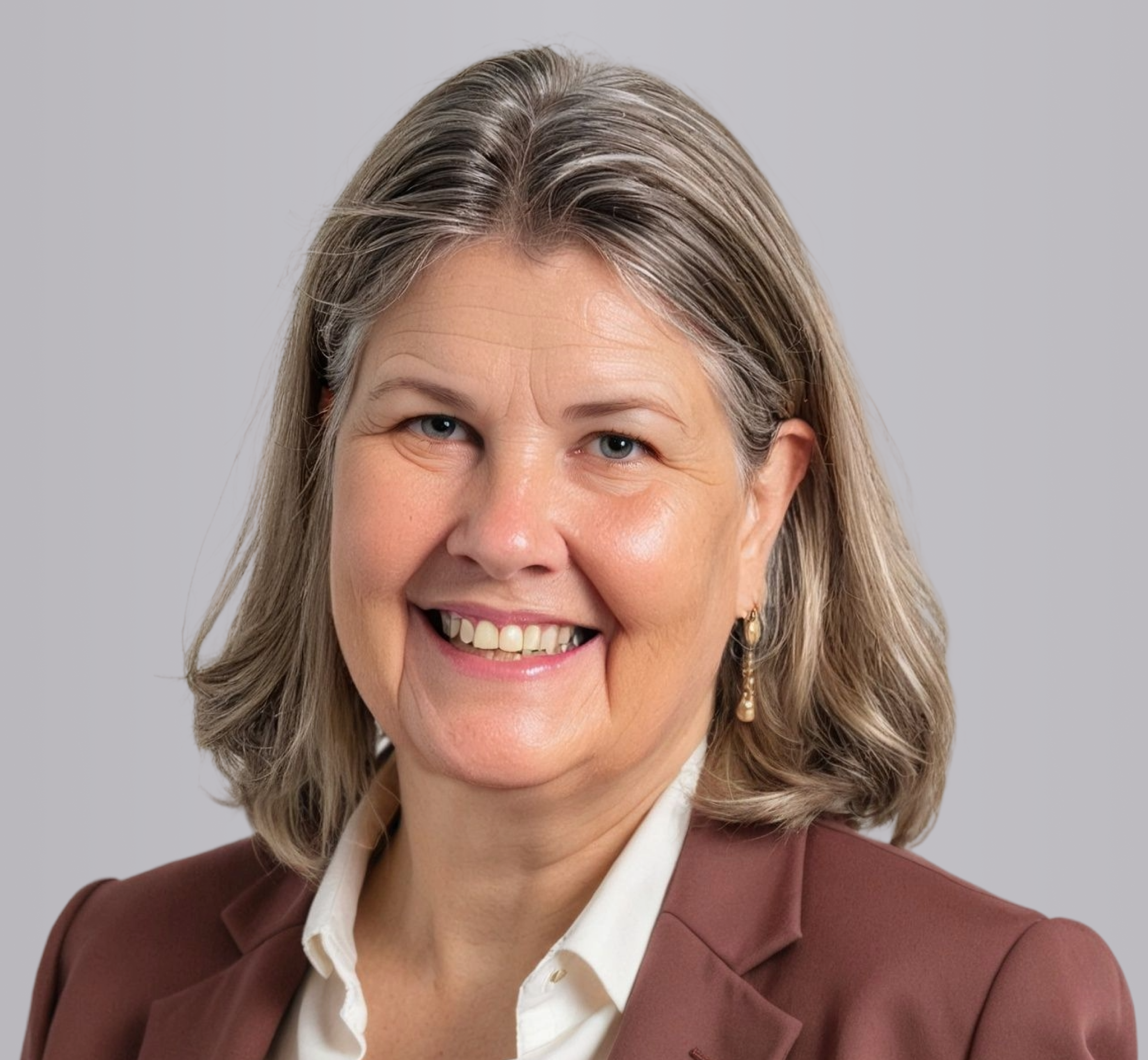
Donna Johnson Makes Invisible Infrastructure Make Sense
An electrical engineer became the marketer translating 5G, wireless WAN and cloud-managed connectivity into decisions people can actually make. At Inseego, Donna Johnson is applying that unusual career arc to a company preparing for a much larger global stage.

Rogers Is Building Canada’s Everything Network - and Betting the Bundle Beats the Backlash
A radio bet became a national telecom, then swallowed cable, sports and satellites. Rogers now wants one household to buy the connection, the content and the perks - while never forgetting the day its own network went dark.
AT&T Spent $134 Billion Chasing Hollywood. Its Comeback Runs Through Boring, Beautiful Fiber
The telecom giant’s costly media adventure ended in retreat. Now AT&T is making a simpler wager: own the pipes, bundle the connections, and make reliability interesting again.

Spectrum’s Big Bet: Make the Cable Bundle Useful Again
The cable bundle did not disappear. Spectrum is rebuilding it around broadband, WiFi, mobile and streaming - and betting that one connected household is worth more than four separate subscriptions.

The Company That Rents the Internet Its Roads - and Just Bought the Traffic Back
Uniti spent a decade as the landlord of a fiber empire. In 2025 it bought its biggest tenant back, and set out to sell strands of glass to the companies building the AI internet.

Jeff Gower
Jeff Gower is the CEO of MarketSpark, the Bannockburn, Illinois company betting that the millions of copper phone lines humming inside American buildings are on borrowed time. Since 2020 he has led the enterprise POTS-replacement business, swapping static, costly analog lines for managed 4G/5G-ready wireless that keeps elevators, fire alarms and fax machines talking after the copper is gone. An engineer by training with an MIT Sloan MBA, Gower spent two decades scaling mobility and B2B services businesses across the globe - Siemens Mobile, Brightstar, Samsung Electronics and Trux - before turning the unglamorous plumbing of enterprise telecom into a growth story backed by a $7M Series B.

MarketSpark, Inc.
MarketSpark is a Bannockburn, Illinois company that replaces aging copper phone lines (POTS) for large enterprises with a managed, carrier-agnostic wireless service. As traditional carriers decommission their analog networks, MarketSpark keeps fire alarms, elevator phones, fax lines, alarm panels and voice lines working using cloud-managed 4G LTE/5G hardware, real-time monitoring and remote diagnostics - serving hundreds of America's largest enterprises across tens of thousands of locations.
SIMO
SIMO is a San Francisco mobile-connectivity company whose patented virtual SIM (vSIM) lets devices roam across 300+ carriers in 140+ countries with no physical SIM card. Founded in 2009 as Skyroam, it now powers the Solis line of pocket hotspots for consumers and an embedded chipset/cloud platform used by enterprises, automakers and IoT fleets.

Stealth Communications
Stealth Communications is a New York City fiber-optic internet provider that has been quietly digging up Manhattan streets since 1995 to lay its own dark fiber, build its own routers, and sell ultrafast, dedicated business internet to enterprises, schools, broadcasters and government agencies.