embedded-systems
(13)
Evan Petridis Is Teaching AI to Respect the Hardware
After a career spent making networks, sensors and embedded systems behave outside the lab, the ModelCat CEO is betting that AI’s next useful trick is learning the limits of the machine beneath it.

Humayun Sohel Built the Invisible Systems - Then Built a Business Around Them
Before cloud migration became a boardroom phrase, Humayun Sohel was working closer to the machine. His path from embedded systems and optical-network firmware to Questivity offers a useful lesson in turning technical depth into practical judgment.

Glenn Töws Put the Browser in the Coding Loop - Then Let the Agents Roam
Two abandoned product directions left Glenn Töws with one useful scrap: a browser toolbar. Ten days after he and Julian Götze opened it up, a side project had become the company.
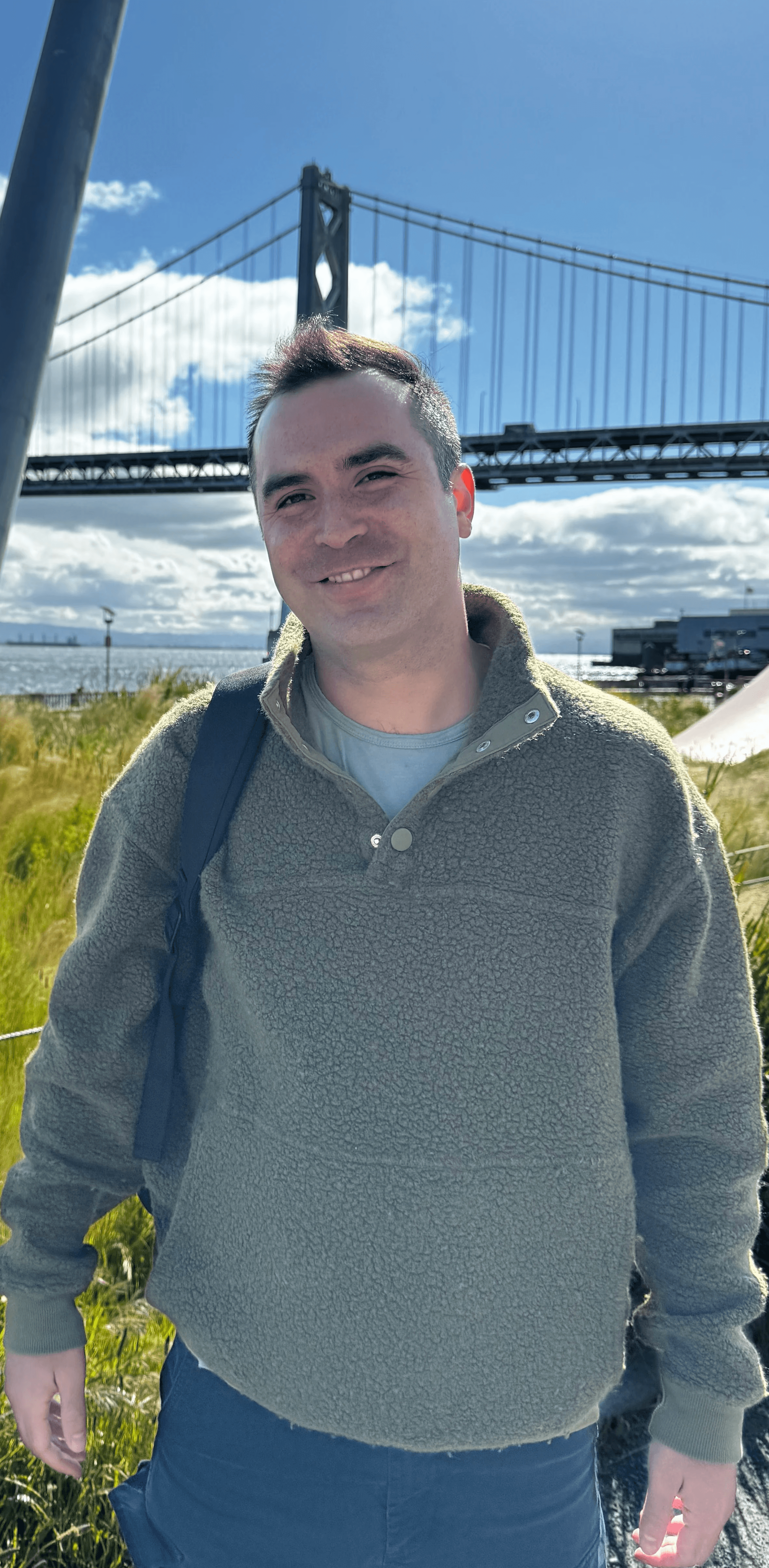
Derrick Wolbert Builds for the Messy Middle Where Markets Refuse to Behave
He moved from embedded car computers to global telecom, then into payments, trade credit, and steel - a career built around making complicated markets feel less complicated to the people inside them.

Yunfei Cao
Yunfei 'Richard' Cao is the co-founder and CEO of Angio8 (通甪科技), a Shenzhen-based startup building a next-generation surgical robot for minimally invasive vascular interventional surgery. A Stony Brook biomedical engineer who cut his teeth inside the Boston medical-device machine at Vention Medical, SunMed and China Med Device, Cao now runs a cross-Pacific company - engineering brains in Boston, manufacturing and clinical work in Shenzhen - aimed at letting doctors steer catheters and guidewires by robot instead of by hand.
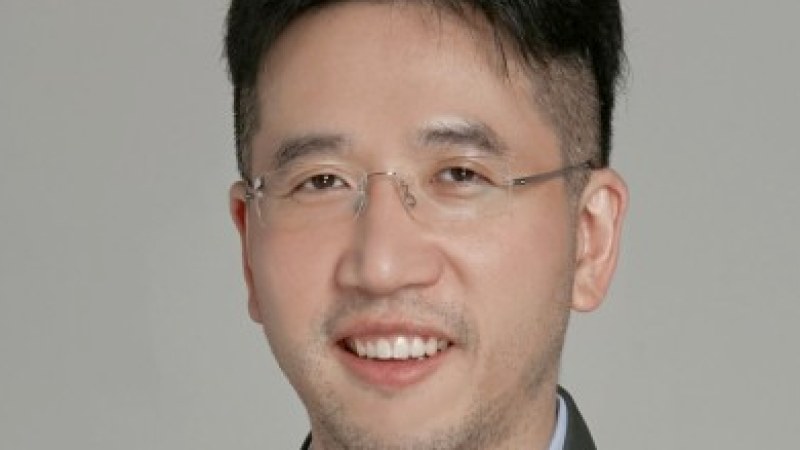
Junhwan Kim
Junhwan Kim is the CEO of STRADVISION, a South Korean AI perception company building the vision software that teaches cars to see. After selling his facial recognition startup Olaworks to Intel in 2012 - the first full acquisition of a Korean firm by Intel - he pivoted into automotive AI and helped build STRADVISION into a company with over 3 million cumulative production units deployed, $331M in total funding, and a pending KOSDAQ IPO. His flagship product, SVNet, runs on 50+ vehicle models across 13+ OEM partners and can identify pedestrians, lanes, traffic signs, and obstacles in real time on low-power edge chips.
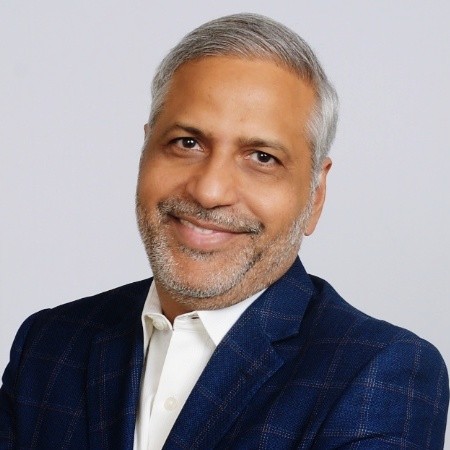
Divakar Tantravahi
Divakar Tantravahi is the Founder, Chairman, and CEO of Innominds, a San Jose-based AI-first digital product engineering company with 1,400 employees and $80M in annual revenue. Starting his career at Visakhapatnam Steel Plant in 1987, he moved through Informix and a startup called Everypath before founding Innominds in 2003. Under his leadership, Innominds has become a full-cycle product engineering partner helping technology companies build products that land in the Gartner Magic Quadrant. Recognized for his employee-centric leadership style, Tantravahi was named one of India's Best Leaders in Times of Crisis 2021 by Great Place to Work India and received ET Now's 'CEO with HR Orientation' Award in 2019.
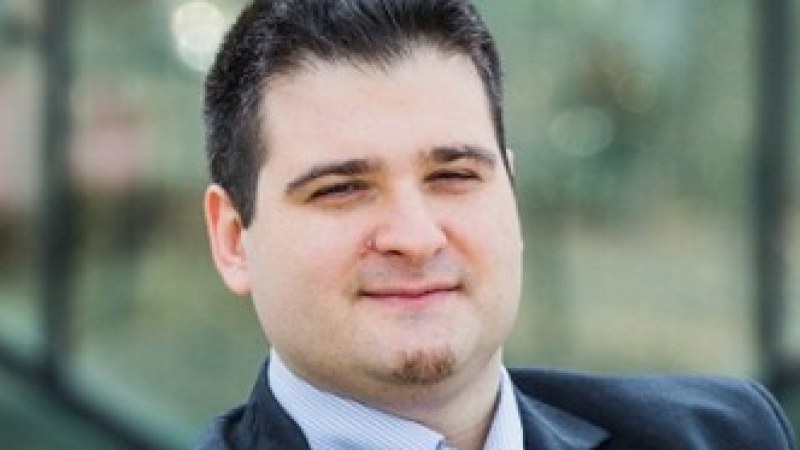
Jozsef Kovacs
Jozsef Kovacs was the co-founder and CEO of Commsignia, the world's largest company fully dedicated to Vehicle-to-Everything (V2X) communication technology. Born in Hungary and trained as a computer scientist and PhD researcher in cooperative intelligent transportation systems, he co-founded Commsignia in 2012 alongside fellow researchers from the Hungarian Academy of Sciences. Under his leadership, Commsignia deployed V2X technology across 130+ intersections in Las Vegas, secured partnerships with Volkswagen, Audi, Ford, and major OEMs, raised $26M+ in venture funding, and expanded to 20+ countries. Kovacs passed away in late 2021, leaving behind a company that continues to lead the global V2X industry.

Lei Zhang
Lei Zhang is the CEO of CARIAD, Inc., Volkswagen Group's U.S. automotive software subsidiary based in Mountain View, California. A seasoned technology executive with 16+ years spanning Microsoft, Google, Huami, and NIO, Zhang now leads CARIAD's Interior, Infotainment & Digital Experience division globally. Known for pioneering NIO's NOMI digital assistant and championing software-defined vehicle innovation, he earned MotorTrend's Software-Defined Vehicle Innovator Award in 2023. His work sits at the intersection of Android OS expertise, AI-driven user experience, and the fast-evolving world of connected, electric mobility.
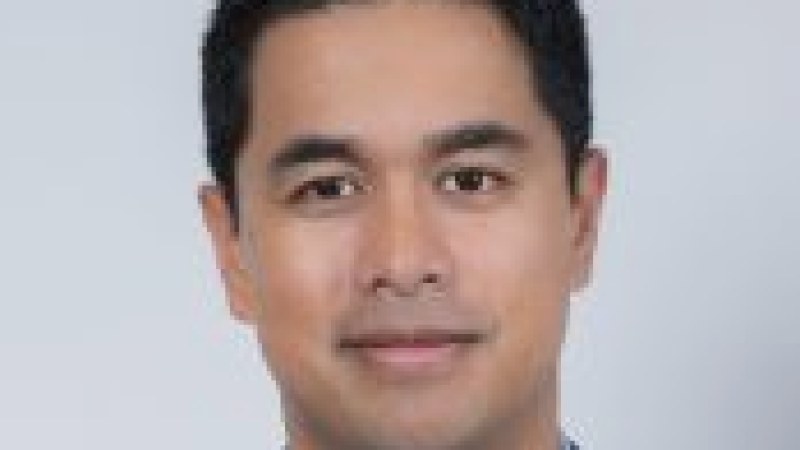
Neschae Fernando
Neschae Fernando is the CEO of Zone24x7, a 22-year-old technology engineering company headquartered in San Jose, California, with a major hub in Sri Lanka. With a dual background in electrical engineering (MS and BS from UCLA) and enterprise IT delivery at Cisco, Fernando leads a 270-person team that sits at a rare intersection: companies capable of integrating hardware and software end-to-end. Under his leadership since June 2022, Zone24x7 has won seven industry awards in 2025 alone, including Gold at NBQSA and the IoT Technology of the Year Award, while expanding its AI, RFID, and cognitive vision platforms across 50+ enterprise clients globally.
Akhil Seth
Akhil Seth is the CEO and founder of Advanced Engineering Services (AES), a San Jose-based engineering design, automation, and product development firm with technical centers across India. A University of Utah-trained mechanical engineer, he has consulted to Apple, NVIDIA, Intel, Dolby, Stryker, Lam Research, Thermo Fisher and others before building AES into a ~70-person multi-discipline shop spanning CAE, embedded systems, robotics and industrial automation.
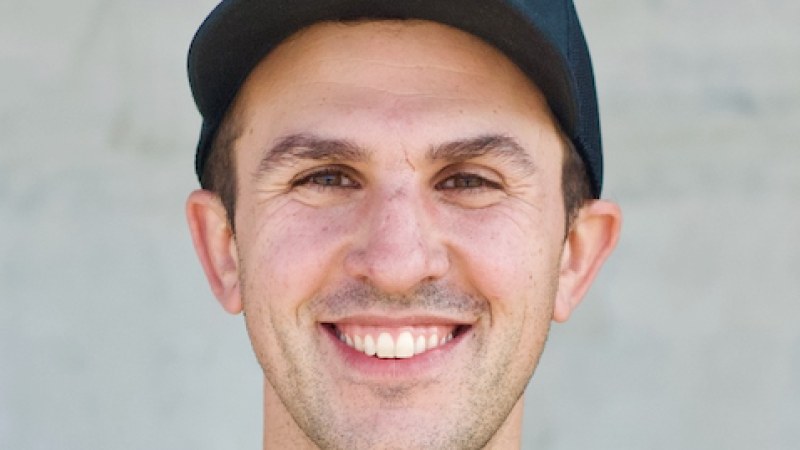
Aaron Nathan
Aaron Nathan is the CEO and co-founder of Point One Navigation, a San Francisco-based precision location company building the infrastructure layer for Physical AI. A Cornell-trained engineer who helped lead the university's DARPA Urban Challenge team, he went on to serve as Chief Architect at Coherent Navigation (acquired by Apple) before co-founding adeptCloud (acquired by Hightail). At Point One, he is turning centimeter-level GPS accuracy from a specialist tool into a universal platform — raising a $35M oversubscribed Series C from Khosla Ventures in 2025 to accelerate a mission: making precise location as ubiquitous as GPS itself.
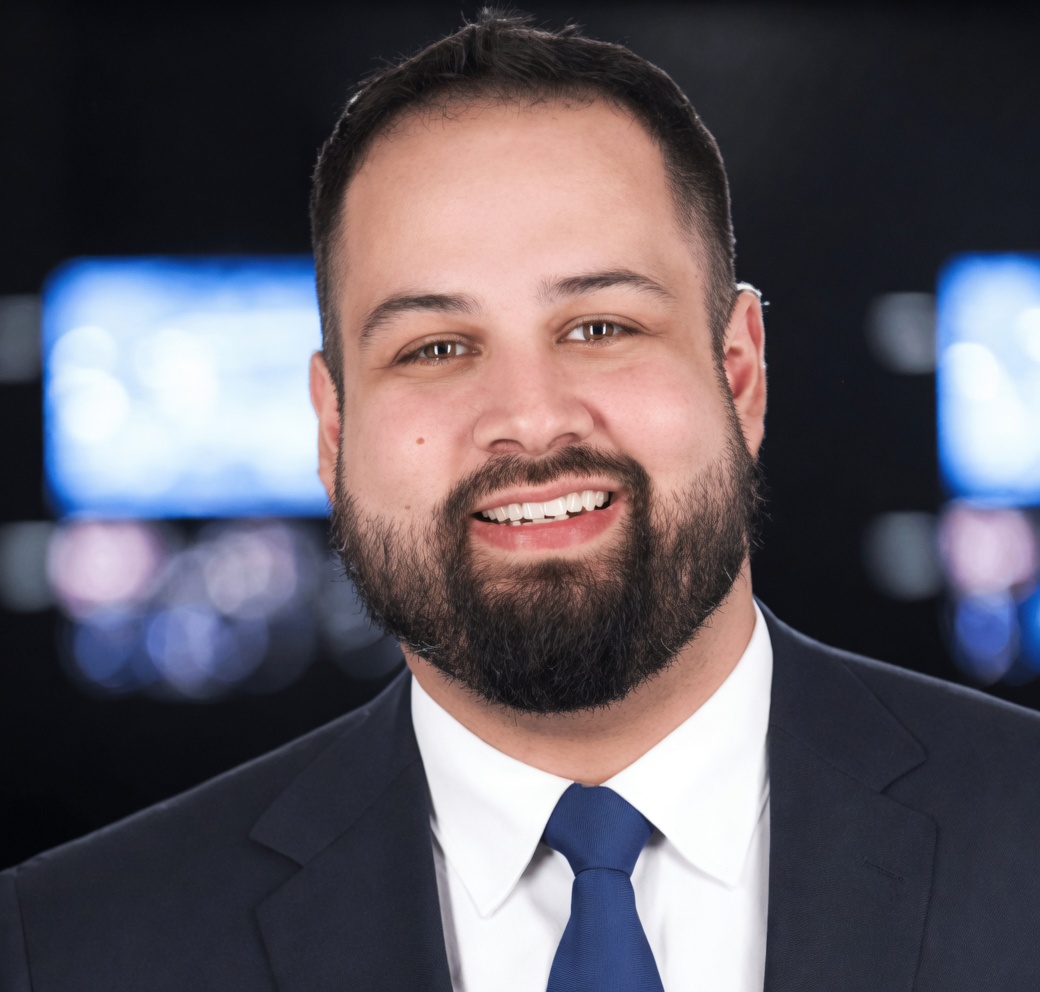
Peter Morales
Peter Morales is the CEO and co-founder of Code Metal, a Boston-based AI company that hit unicorn status in February 2026 after raising a $125M Series B led by Salesforce Ventures. With a background spanning BAE Systems (F-35 ML optimization), MIT Lincoln Laboratory (counter-drone AI), and Microsoft (HoloLens computer vision), Morales built Code Metal to solve a gap he discovered firsthand: AI can generate code fast, but mission-critical industries — defense, automotive, semiconductors — need proof that code is correct before it ships. Code Metal's verifiable AI platform translates high-level code into hardware-optimized, mathematically verified production code for edge devices, drones, FPGAs, and autonomous systems. Customers include the U.S. Air Force, L3Harris, Raytheon, Toshiba, and Bosch.