early-detection
(13)
Russ Lebovitz
Russ Lebovitz is the co-founder and CEO of Amprion, a precision brain diagnostics company that built the first commercial seed amplification assay for detecting misfolded alpha-synuclein - the protein at the root of Parkinson's disease and other synucleinopathies. An MD/PhD trained at Washington University in St. Louis and a former research physician at Baylor and Fox Chase Cancer Center, Lebovitz spent years chasing prions after the mad cow scare, then pivoted the same detection science toward common neurodegenerative diseases. His SYNTap test won an FDA Breakthrough Device Designation and is now used in clinical trials and patient care to spot brain disease years before symptoms appear.

SpotitEarly
SpotitEarly is a healthtech company building an accessible, non-invasive early cancer detection service that combines trained scent-detection beagles with an AI platform to analyze volatile organic compounds (VOCs) in a person's breath. Users collect a breath sample at home and mail it to the company's lab, where beagles screen for cancer-linked odors and SpotitEarly's proprietary LUCID bio-AI platform digitizes and interprets the dogs' behavioral signals. A double-blind clinical study of 1,400 people, published in Nature's Scientific Reports, reported 94% sensitivity and specificity across the four most common cancers - breast, colorectal, lung, and prostate. Founded in Israel and now launching in the U.S., the company aims to make routine multi-cancer pre-screening affordable, at roughly $250 for a single test.

Amprion
Amprion is a precision-diagnostics company using Seed Amplification Assay (SAA) technology to detect misfolded proteins - alpha-synuclein, amyloid-beta and tau - in cerebrospinal fluid, giving physicians and drug developers a biological readout of neurodegenerative disease years before symptoms fully emerge. Its flagship SAAmplify-aSYN test (formerly SYNTap) is the first commercially available validated alpha-synuclein SAA, carries an FDA Breakthrough Device Designation, and aims to replace symptom-based guesswork for Parkinson's, Lewy body dementia, Alzheimer's and multiple system atrophy with autopsy-grade certainty.
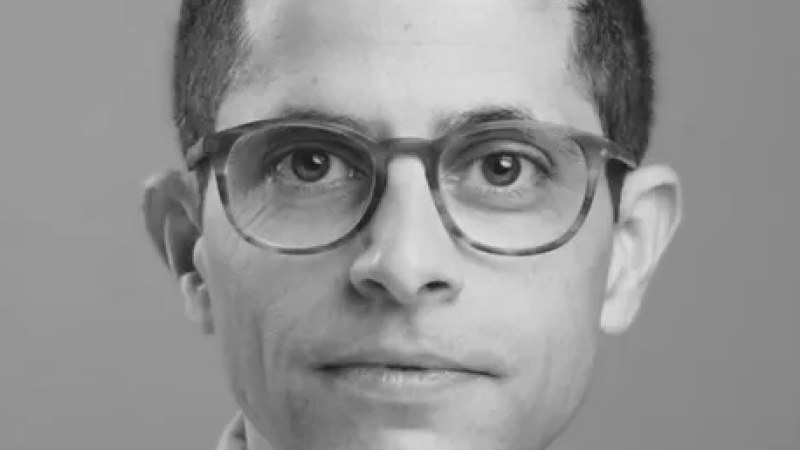
Shlomi Madar
Shlomi Madar is the CEO of SpotitEarly, an Englewood, New Jersey biotech developing a non-invasive, breath-based multi-cancer screening test that pairs trained scent-detection dogs with a deep-learning platform. He holds a PhD in cancer research from the Weizmann Institute of Science and has spent more than fifteen years in life sciences and healthcare, previously serving as VP of Strategic Alliances at OncoHost and working on the Weizmann Institute's innovation arm. In May 2025 SpotitEarly closed a $20.3M Series A behind clinical results the company reports at roughly 94% sensitivity and specificity across four cancer types.

Mirvie
Mirvie is a South San Francisco biotech using cell-free RNA signatures and machine learning to predict pregnancy complications - preeclampsia, preterm birth, fetal growth restriction - months before symptoms appear. Its flagship product Encompass is a blood test built on a foundational study of nearly 11,000 pregnancies.
AltPep
AltPep is a Seattle biotech company spun out of the University of Washington that is building both diagnostic tests and disease-modifying drugs for amyloid diseases such as Alzheimer's and Parkinson's. Its work is anchored on the alpha-sheet, a non-standard protein structure discovered by founder and CEO Valerie Daggett, which forms in the toxic soluble oligomers that appear at the earliest, pre-symptomatic stages of disease. AltPep's SOBA blood test aims to flag those toxic oligomers years before symptoms, while its SOBIN peptide therapeutics are designed to neutralize them.
Circular Genomics
Circular Genomics is a San Diego biotechnology company turning circular RNA (circRNA) into a new class of blood-based biomarkers for brain health. Spun out of the University of New Mexico in 2021, the company uses brain-enriched circRNAs that cross the blood-brain barrier and stay stable in whole blood to detect and predict neurological and psychiatric conditions, from Alzheimer's disease to major depressive disorder. Its goal is to replace guesswork in brain care with measurable, actionable data, starting with early Alzheimer's detection and SSRI treatment-response testing for depression.

Numen
Numen (formerly Cleancard) is a San Francisco biotech building rapid at-home cancer screens that read like a pregnancy test. By combining synthetic biology, machine learning, and computer vision, its platform detects multiple cancer biomarkers from a single urine sample in about 30 minutes, with no lab machinery required. Founded by Rhodes Scholars Thomas Carroll and Luca Springer, the company's first screens target prostate, bladder, and ovarian cancer, with a mission to drive cancer mortality toward zero.
Superfluid Dx, Inc.
Superfluid Dx is a South San Francisco diagnostics company building a blood-based test for Alzheimer's disease and other neurodegenerative conditions. Its platform isolates cell-free messenger RNA (cf-mRNA) from a single tube of blood and pairs next-generation sequencing with RNA deconvolution and machine-learning analysis to read out organ-level biology - aiming to detect disease years earlier than conventional methods and to guide therapy. The company was formed in late 2023 when WRQ Sciences acquired and renamed Molecular Stethoscope, and is led by Fluidigm co-founder Gajus Worthington alongside Stanford bioengineer and serial founder Steve Quake.
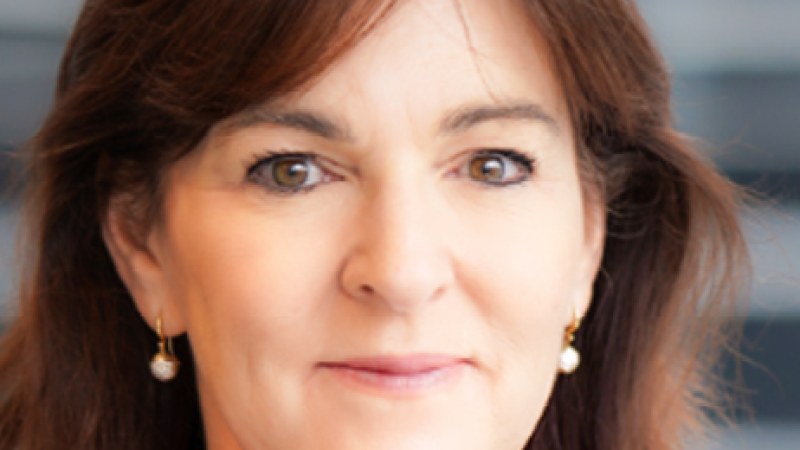
Connie Lehman
Connie Lehman is a radiologist who spent three decades reading mammograms and decided the picture could tell a different story. As founder and CEO of Boston-based Clairity, she built the first FDA-authorized AI platform that reads a routine screening mammogram and estimates a woman's five-year risk of developing breast cancer, spotting tissue patterns invisible to the human eye. A Professor of Radiology at Harvard Medical School with more than 300 peer-reviewed publications, she left a celebrated academic career to commercialize the idea that imaging should predict cancer, not just find it. TIME named her to its 2026 TIME100 Health list and Forbes to its 50 Over 50: Innovation list.
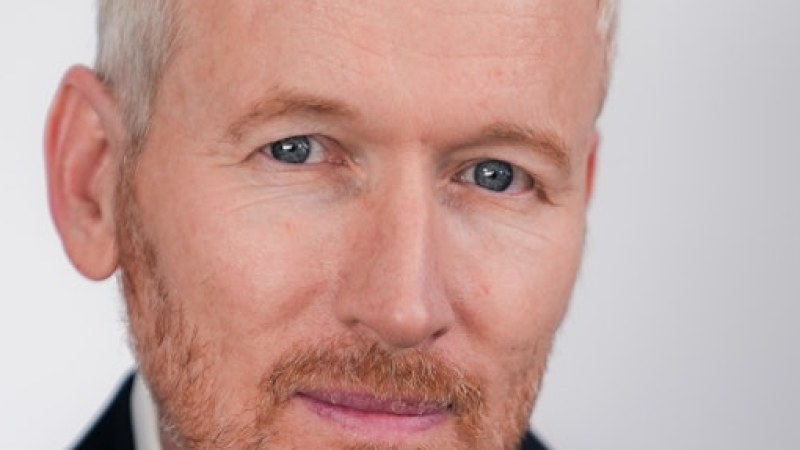
Andrew Lacy
Andrew Lacy is the Founder and CEO of Prenuvo, the company making proactive whole-body MRI scanning a mainstream healthcare tool. A Melbourne-born, Stanford-trained entrepreneur, he previously co-founded Tapulous - the mobile gaming company behind Tap Tap Revenge, acquired by Disney in 2010 - before pivoting to healthcare. At Prenuvo, he has raised $177M in total funding (including a $120M Series B in 2024), grown the company to 110,000+ members across 17 North American clinics, and secured FDA clearance for AI-powered body composition analysis, with plans to expand into Europe and Australia.

Sonia Kastner
Sonia Kastner is the Co-Founder and CEO of Pano AI, a San Francisco-based climate technology company building AI-powered wildfire early detection and response infrastructure. Combining 360-degree mountaintop cameras, satellite imagery, and deep learning AI with a 24/7 human intelligence center, Pano AI monitors 24-30 million acres across the U.S., Australia, and Canada - alerting first responders to over 100 fires annually. Named to TIME's 100 Most Influential Companies of 2025, recognized on BBC's 100 Women 2023, and a World Economic Forum Technology Pioneer, Kastner brings a Harvard physics degree, Stanford MBA, and deep hardware/supply chain experience from Nest, PAX, and NYC government to the frontier of climate resilience.
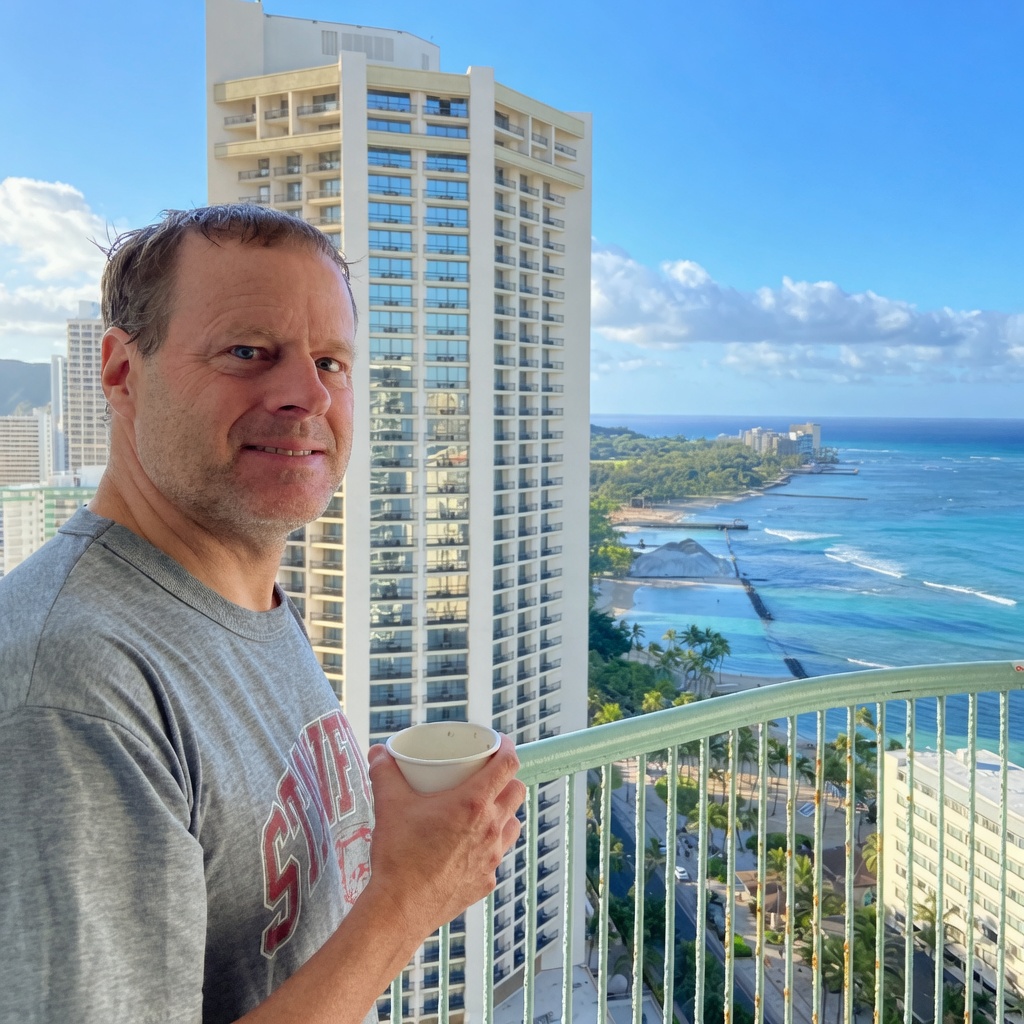
Barton Wells
Barton Wells is the co-founder, CEO, and CTO of DexaFit Dx, a Palo Alto-based health technology company using AI and full-body DXA scans to detect coronary artery disease, Type 2 diabetes, and other chronic conditions early and non-invasively. A Stanford-trained mathematician and former world-ranked open water marathon swimmer, Wells brings 30+ years of AI, computer vision, and iOS engineering experience - spanning stints at Dropbox and multiple startups - to the challenge of transforming a 7-minute medical scan into a multi-disease risk screening platform for insurers, employers, and individuals.