denver-founder
(8)
David Post Has Spent a Career Making New Systems Useful
Before Web3 had a name, David Post was studying how institutions change. Now the Helix founder works in the stubborn space between a promising network and a business that actually runs.

Elia Wallen Kept Saying No. His Customers Built a $2.1 Billion Answer.
Customers asked for hotel booking. He sent them elsewhere. Their persistence became Engine - and taught its founder that the best ideas often arrive disguised as an inconvenience.

Doug Proctor and the Discipline of Killing the Wrong Idea
Before Candid Health raised $120 million, Doug Proctor helped build battlefield data systems and shut down a promising climate startup when the evidence turned. His operating creed is less glamorous than disruption: learn fast, tell the truth, and earn the right to automate.

Eric Goslau Learned to Sell the Setback
A first-generation device, dozens of prototypes and a pandemic could have ended Transverse Medical. Eric Goslau turned each interruption into another design brief - and made resilience part of the product.
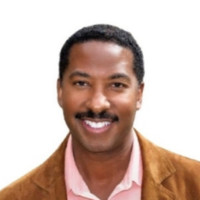
Andre Williams Is Building Software for the Hours Work Should Give Back
The Optevo co-founder has spent years arguing that collaboration software should do more than organize tasks. It should return attention, trust, and a little life to the people doing them.
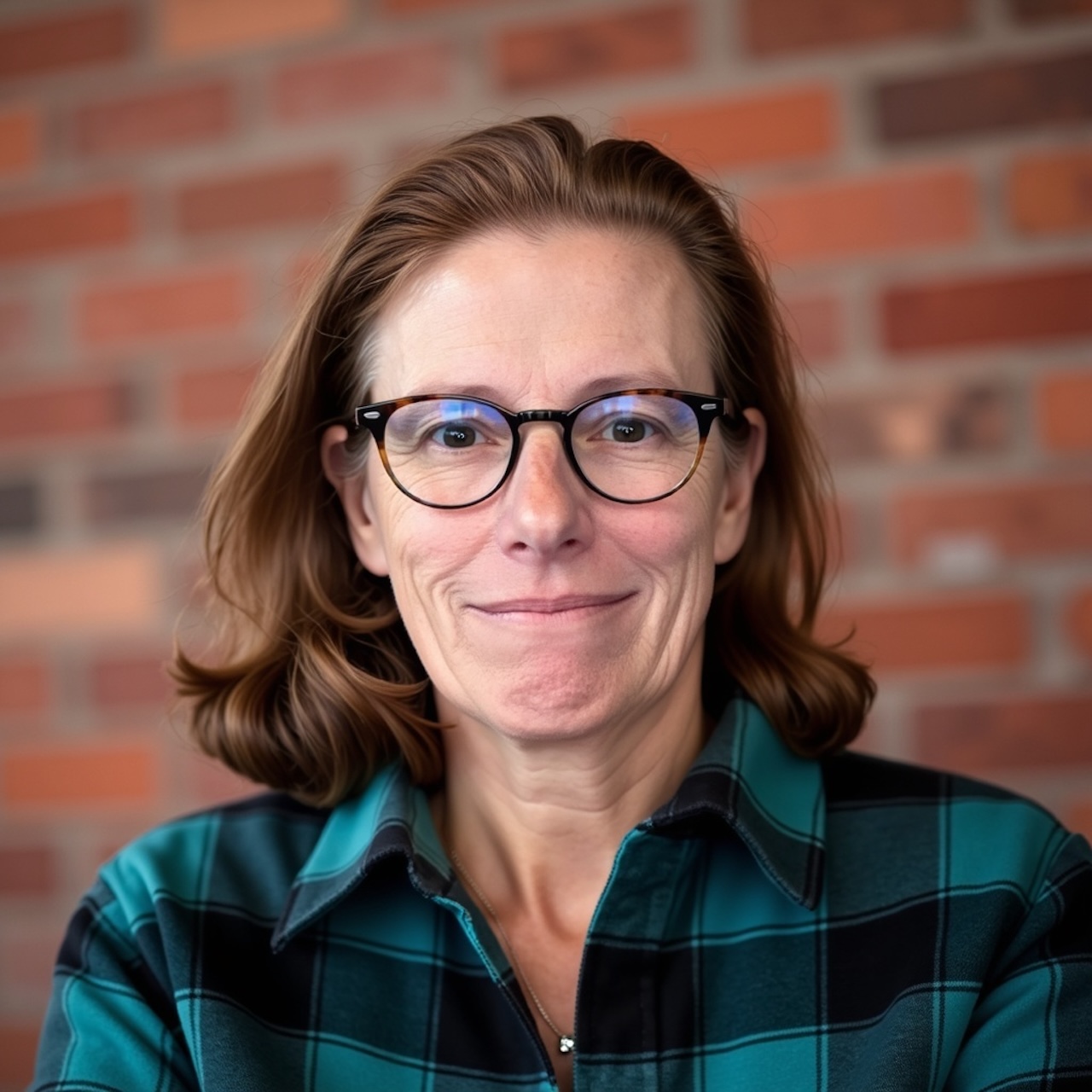
Jodi McPherson Is Turning the First Rung of the Career Ladder Into Paid Work
After three decades in education technology, the Work Simplr founder is rebuilding early-career experience around a practical idea: give students real projects, pay them, and make the work count.
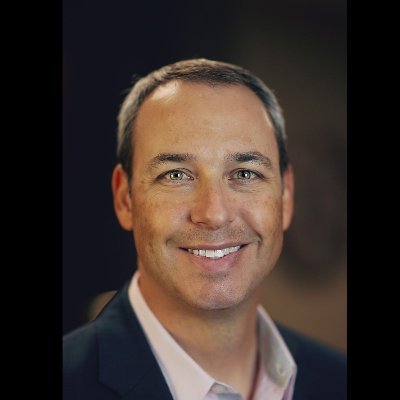
Mark Frank Keeps Choosing the Mud
He left the 30,000-foot view for contracts, claims and customer calls. A decade into SonderMind, Mark Frank's operating philosophy still begins with getting close enough to the work to see what is actually broken.

Chris Sapyta Saw a Freight Train. Then He Rewired the Keg Business.
A railroad crossing gave Chris Sapyta the boxcar analogy that shaped keg pooling. Three decades later, the Keg Logistics founder is still solving the same stubborn problem: how to keep reusable steel moving without making brewers own every vessel.