data-discovery
(17)
Your Data Has a Memory Problem. Select Star Built the Map.
Select Star turns the warehouse, dashboards and half-remembered business rules into a searchable map. For teams buried under tables, its signature trick is not collecting more metadata - it is making the useful context hard to miss.
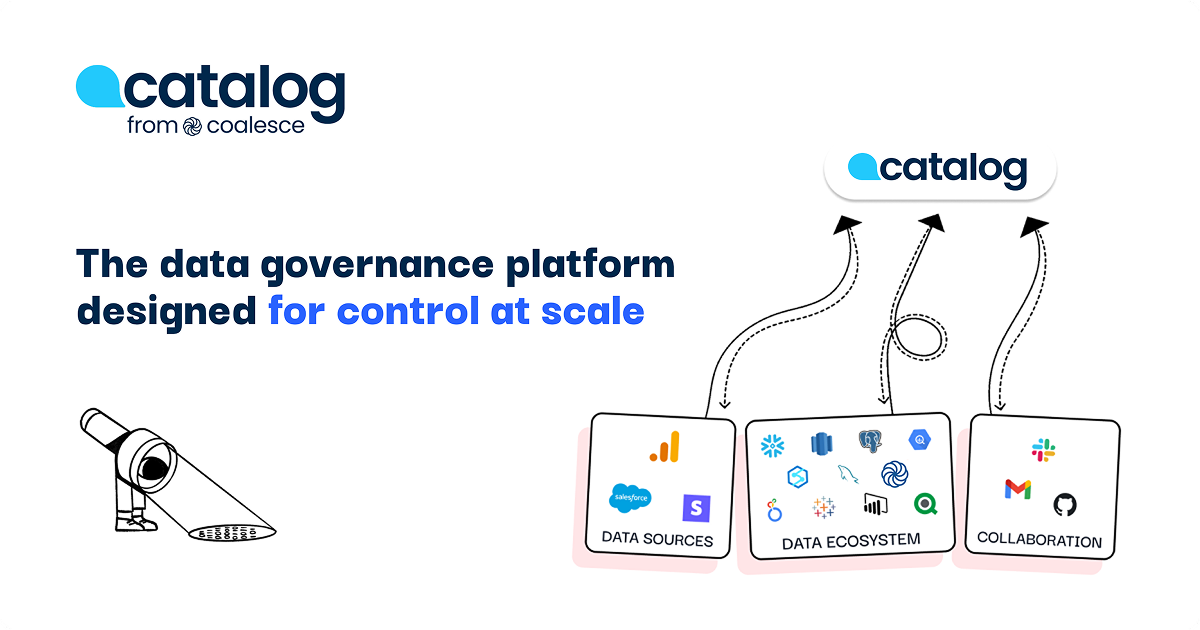
CastorDoc Turned the Data Catalog Into the Office Help Desk
The catalog once known as CastorDoc makes a persuasive case that governance works better when it feels like search, not paperwork. Its acquisition by Coalesce gives the friendly front door a much bigger engine room.
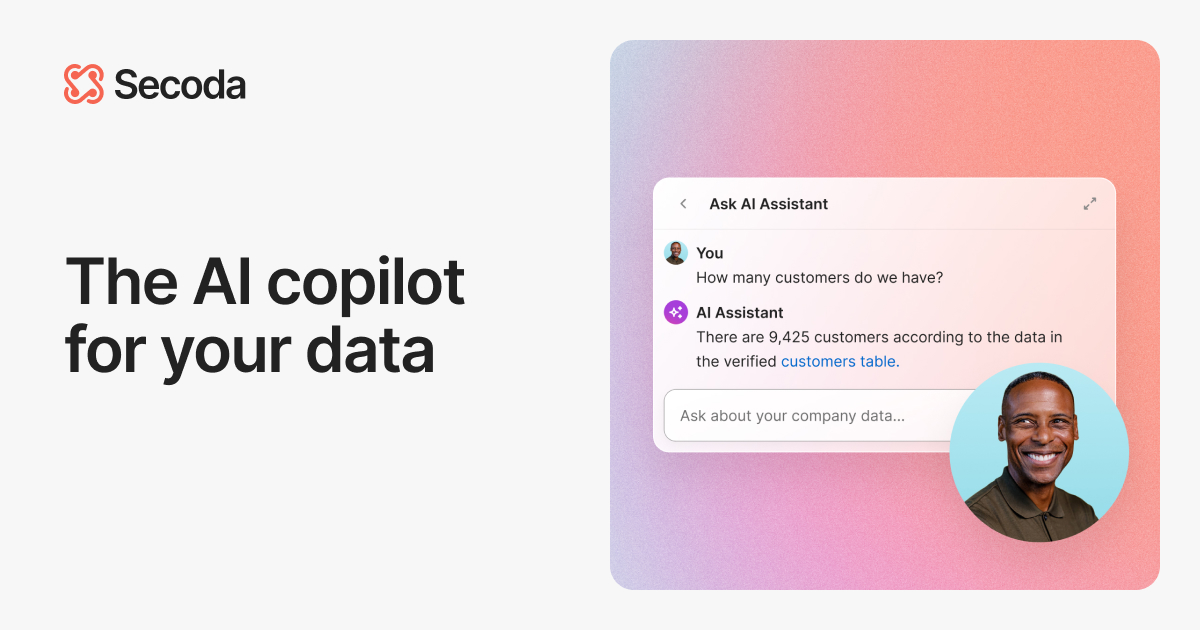
Secoda Put a Search Bar on the Data Swamp
Every company says its data is valuable. Secoda tackles the less glamorous problem: helping people find it, understand it, trust it, and stop asking the same analyst where the revenue table lives.
BigID Found the Enterprise’s Dark Data. Now It Wants to Govern What AI Does With It
BigID built a unicorn by answering a dull but dangerous question: what data does a company actually have? Ten years in, AI has made that inventory more valuable - and the company’s own reinvention more severe.
Ohalo Found 19 Million Files in a Bank's Blind Spot - Here Is the Data-Governance Playbook Enterprises Can Copy
Ohalo built Data X-Ray for the files that ordinary catalogs and perimeter security struggle to understand. Its most useful lesson came when an early public-sector test missed sensitive details - and human feedback became part of the product, not an embarrassment to bury.
Audax Labs
The Seattle-area technology company pairs consulting muscle with a shelf of homegrown products - betting that enterprise transformation works better when the people drawing the blueprint can also build the machinery.

Tarique Mustafa
Tarique Mustafa is a Silicon Valley cybersecurity founder, engineer and AI researcher who serves as CEO, CTO and founder of Chorology, Inc., a San Jose company applying deep AI to automate data discovery, classification, mapping and compliance enforcement for enterprises. A serial entrepreneur with two prior startups that ended in acquisitions, he previously founded GhangorCloud, a pioneer of fourth-generation data leak prevention, and held senior roles at Symantec, MCI WorldCom and others. He holds dual master's degrees and did PhD research in AI at USC, and holds multiple patents in deep AI.
Chorology, Inc.
Chorology, Inc. is a San Jose-based data security and compliance startup that uses a Deep-AI 'knowledge encoding' engine - rather than conventional machine learning - to automatically discover, classify, and map an enterprise's sensitive data across structured and unstructured repositories. Its flagship platform, CAPE (Compliance and Posture Enforcer), aims to give organizations a continuous, mandate-agnostic view of where regulated data lives so they can enforce data security posture and meet frameworks like GDPR, CCPA, and HIPAA. Founded by serial cybersecurity entrepreneur Tarique Mustafa, the company emerged from stealth in July 2024 with $9M in funding and a roster of early Fortune 500 users.
Collate
Collate is the company behind OpenMetadata, the fast-growing open source project for unified data discovery, observability, and governance. Founded by Apache open source veterans Suresh Srinivas and Sriharsha Chintalapani, Collate layers AI agents, automation, and enterprise support on top of an open metadata 'context layer' so data teams - and the AI models they feed - can find, understand, trust, and govern their data. The company raised a $10M Series A led by Venrock in July 2025.
DataGrail
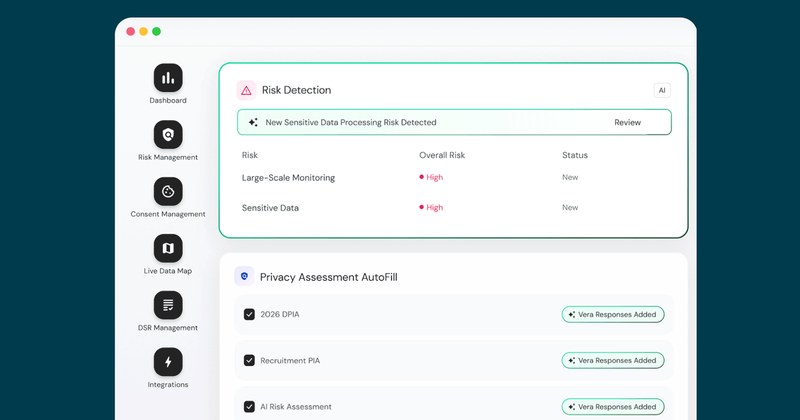
DataGrail is a San Francisco-based data privacy company that helps modern brands automate compliance with regulations like GDPR, CCPA, and CPRA. Its Agentic Data Privacy Platform - powered by an AI privacy agent named Vera and backed by more than 2,500 pre-built integrations - handles the unglamorous plumbing of privacy: mapping where personal data lives, fulfilling data subject requests, managing consent, and running privacy and AI risk assessments. Founded in 2018 by three data and go-to-market veterans, it counts Salesforce, Databricks, Instacart, and Major League Soccer among its customers.
Nomad Data
Nomad Data is a New York-based AI platform that helps companies find, buy, and understand external data. Founded in 2020 by Brad Schneider and Justin Manikas, it began as a marketplace matching data buyers to a network of thousands of providers - buyers submit a use case, and providers respond with data that can actually solve it. The platform has since expanded into an AI layer for reading unstructured documents (its Doc Chat product) and managing data relationships, serving hedge funds, private equity, insurance, and asset-management firms that spend heavily on third-party data.

Brad Schneider
Brad Schneider is the founder and CEO of Nomad Data, a New York based AI platform that helps teams find, buy, and read the data hidden inside documents and external vendors. An MIT-trained engineer turned hedge fund investor (Tiger Management, Jericho Capital) and CFA charterholder, he spent a decade using alternative data to beat markets before deciding the harder problem was simply finding the right data in the first place. Nomad Data lets users describe what they need in plain English and routes them to answers, not raw spreadsheets, with products spanning data discovery, a Doc Chat engine for unstructured text, and vendor relationship management for consultancies, insurers, and asset managers.
Valora Technologies
Valora Technologies is a Massachusetts-based information governance company that builds AutoClassification software powered by machine learning. Its PowerHouse engine and BlackCat interface scan, analyze, tag, and defensibly dispose of enterprise content across cloud and on-premises repositories, helping legal, compliance, records, and IT teams tame sprawling, unstructured data for privacy, eDiscovery, and AI-readiness use cases.
Transcend
Transcend is the compliance layer for customer data. Founded by two Harvard students who couldn't get their own data back from the apps they used, the company builds privacy and AI-governance infrastructure that automates data mapping, data subject requests, consent management, and oversight of data flowing in and out of large language models. Its software powers modern data rights for more than 1.2 billion people across Fortune 100 brands and category leaders.

Alation
Alation is a Redwood City-based enterprise software company that built one of the first modern data catalogs by pairing machine learning with human curation. Its Data Intelligence Platform helps large organizations find, trust, and govern their data, and it has since pivoted toward an agentic AI platform that uses autonomous agents to automate data discovery, governance, and quality. The company serves roughly 450 enterprise customers, including more than a quarter of the Fortune 100, and has raised about $340 million at a valuation north of $1.7 billion.
Atlan
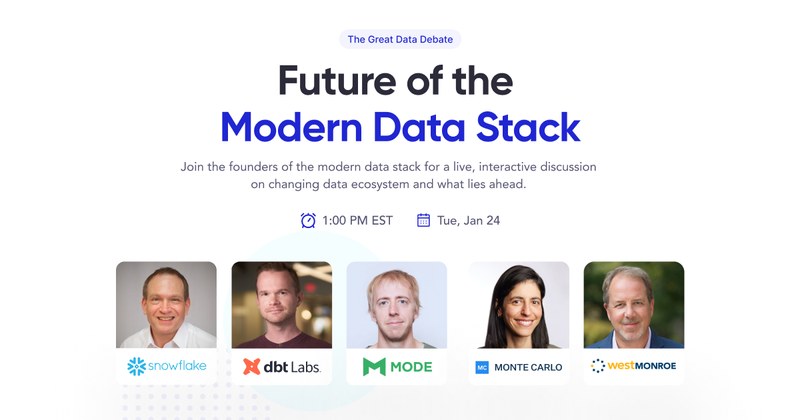
Atlan is a data and AI control plane - a metadata-driven workspace that helps data teams catalog, govern, and collaborate across the modern data stack. Built like Figma for data, it sits between tools like Snowflake, Databricks, dbt and BI dashboards to give companies a single source of truth for what their data means, who owns it, and whether it can be trusted by humans or AI agents.
Varun Banka
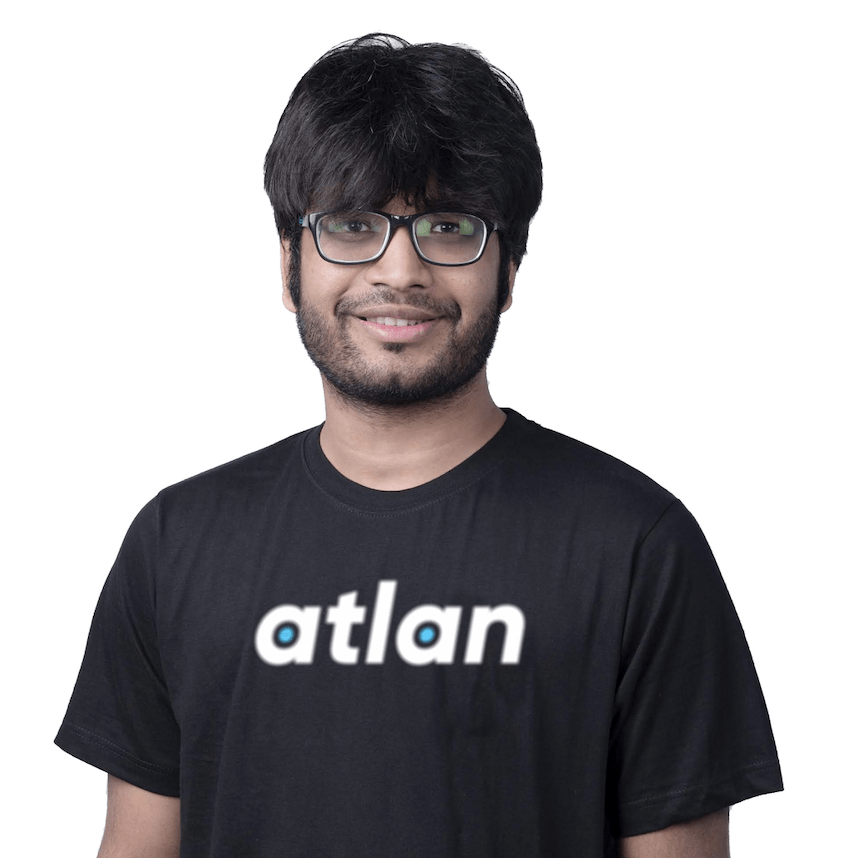
Varun Banka is the Co-Founder and Co-CEO of Atlan, the active metadata platform and data governance control plane trusted by 200+ enterprise customers across 50+ countries. Originally from Ranchi, India, Varun co-founded SocialCops with Prukalpa Sankar while studying at Nanyang Technological University - a data-for-social-good company that powered India's national data platform used by PM Modi and impacted over a billion lives. When their internal data tooling made their own team 6x more agile, they realized the world's data teams needed the same. Atlan was born, raised $105M Series C in May 2024 at a $750M valuation, and is now building what it calls the 'context layer for the AI-native enterprise.'