customer-support-software
(10)
The Chat Box in the Corner Is Now a $2 Billion Fight
Front, Text, respond.io, JivoChat and a handful of rivals turned the little live-chat widget into a real software business. Now AI agents are racing to answer before a human ever reads the message.
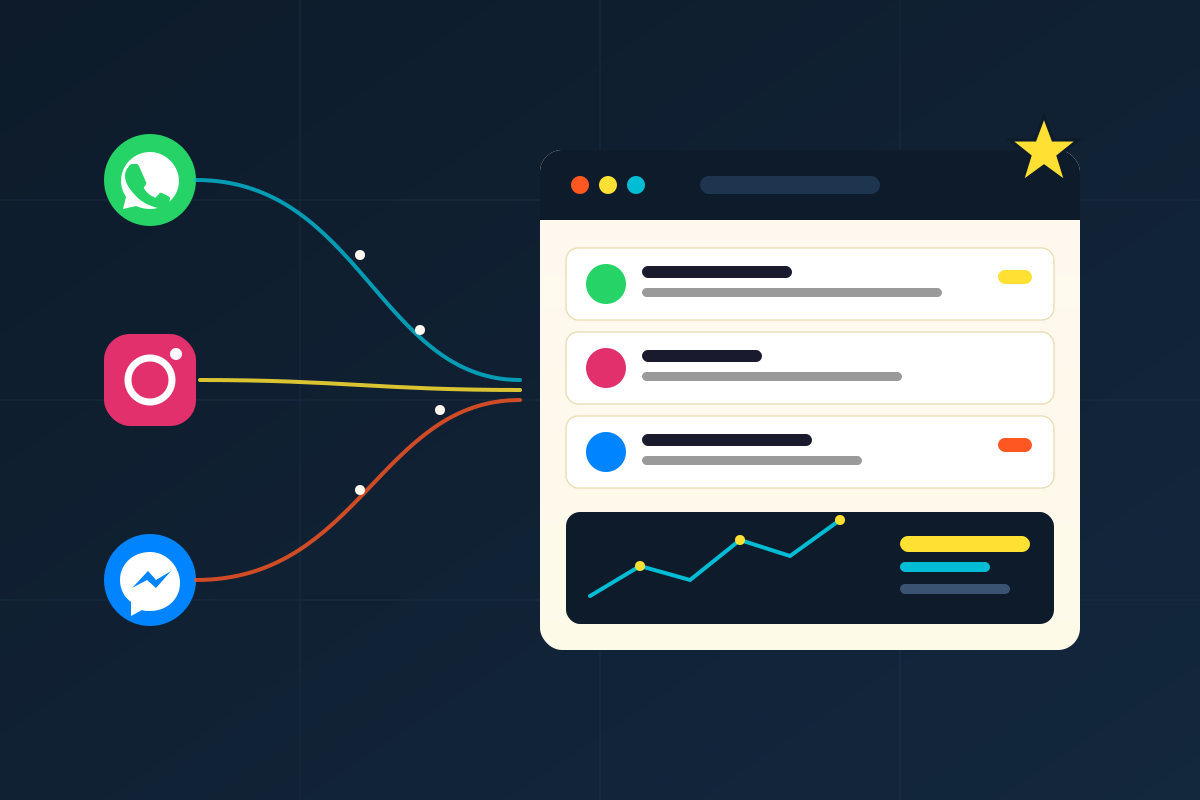
DelightChat Wants to Be the Gmail of Ecommerce Support
A two-person Shopify plugin grew into an omnichannel helpdesk built for lean D2C brands, betting that customer support on WhatsApp can be both powerful and simple. Founders Preetam Nath and Sankalp Jonna bootstrapped their way to real revenue before taking a single institutional check.

The Support Ticket Is Dying and Slack Is Holding the Knife
A new class of B2B support tools - Plain, Front, TeamSupport - is betting customers never wanted a help desk. They wanted an answer in the channel they were already in, and the old guard from BMC to USU is scrambling to catch up.
Why Customer Support Software Is Having an Identity Crisis
SAP, ServiceNow, Gorgias, Kayako, Supportbench and Thena are all chasing the same promise - support that resolves itself. Here is who is actually building it, and who is just bolting AI onto an old inbox.

Your Support Inbox Is a Billion-Dollar Battleground
Two enterprise giants and two upstarts are fighting over the same thing - the message a customer sends when something breaks. Here is how SAP, Oracle, Gorgias and Front split a market nobody used to care about.

TeamSupport Reads the Room Before Your Customer Rage-Quits
The Dallas B2B software company built its whole pitch on a quiet idea - that the first sign a customer is about to leave is buried in an ordinary support ticket. Now it wants AI to catch that signal before anyone hits cancel.

The Help Desk Is Becoming the Company’s Nervous System
Eight support platforms are racing to turn scattered customer conversations into coordinated action. The winning choice depends less on an AI checklist than on where your company’s real work already happens.

Six Help Desks and the Price of Choosing Wrong
Deskpro, Text, Help Scout, SupportBee, Kayako and InvGate all promise order. The useful question is not which has the longest feature list, but which kind of support operation you actually intend to run.

Eight Help Desks, Eight Very Different Jobs
The best support platform is not the one with the longest feature list. It is the one that fits where your requests begin, what your agents must know and how far each case has to travel.

Eight Support Platforms, Eight Very Different Jobs
Help Scout, Hiver, Kustomer, Ivanti, SolarWinds, Salesforce, Atlassian and Front all promise better service. The useful question is not which has the longest feature list, but which kind of work your team is actually trying to improve.