credit-cards
(6)
John Ta Turned 30 Credit Cards Into a Compliance Company
Before Affil.ai, John Ta taught personal finance, wrote more than 200 travel-and-credit-card articles, and kept a wallet with 30 cards. The odd collection became field research for a stubborn problem: nobody could reliably watch what financial affiliates published.

Gregory Feniak Is Making the Credit Card Feel Local Again
The Calgary payments executive has spent two decades turning back-office complexity into products credit-union members can actually use. His latest chapter carries the same collaborative instinct from the card network into the community.
Gene Hall Runs Marketing Where the Math Never Sleeps
Inside Capital One, one of America's most data-obsessed banks, a divisional CMO answers a harder question than most marketers ever face: can you prove it worked?
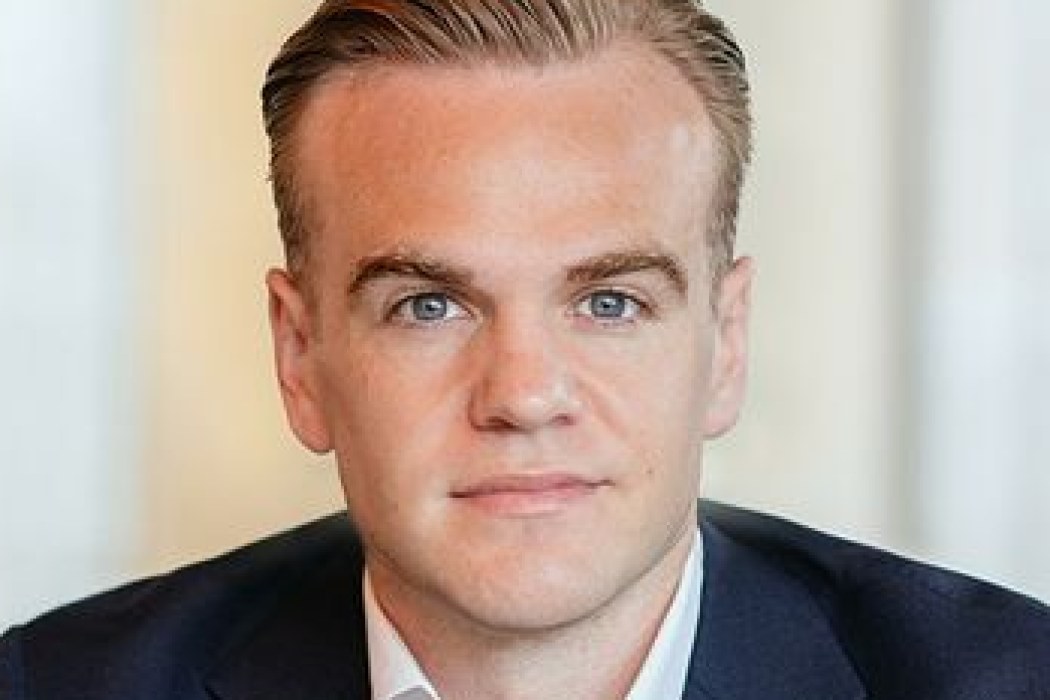
Daragh Murphy
Daragh Murphy is the Irish-born co-founder and CEO of Imprint, a New York fintech that builds co-branded credit card and loyalty programs for consumer brands like Rakuten, Booking.com, Turkish Airlines and H-E-B. A former corporate lawyer and WeWork operator, he started Imprint in 2020 and grew it to unicorn status, reaching a $1.2 billion valuation in a $150 million Series D in December 2025.

Malte Rau
Malte Rau is the Berlin-based CEO and co-founder of Pliant, a B2B fintech that lets companies and banks issue physical and virtual credit cards and plug the resulting data straight into their finance stacks. A former risk manager and fintech investor, he founded Pliant in February 2020 with Fabian Terner and has grown it into a modular, API-first card-issuing platform serving thousands of European businesses. In April 2025 the company closed a $40 million Series B led by Illuminate Financial and Speedinvest to fund its expansion into the United States.

Scott Kazmierowicz
Scott Kazmierowicz is the co-founder and CEO of Cardless, a San Francisco fintech rebuilding the credit card from the brand outward. Started in March 2019 after a Christmas Eve napkin session in a Bryant Park Whole Foods, Cardless lets companies like Coinbase, Bilt, Qatar Airways and Alibaba launch and run their own co-branded credit programs without the legacy bank in the middle. A Stanford computer science grad who passed through Goldman Sachs and Allen & Company before turning founder, Kazmierowicz frames the work as a design problem as much as a finance one: make credit products that are useful, fair and respectful of a person's dignity. By 2025 the company had raised more than $170 million and was growing card transaction volume 400% year over year.