crash-detection
(7)
Sensa wanted your insurance to arrive before the paperwork
A doctor’s idea became an auto policy built around the first minutes after a crash. Sensa’s short American journey shows how much machinery sits behind the simple promise of help.

The phone that caught the driver
Cambridge Mobile Telematics turns the device that distracts us into a witness to how we drive. Its more interesting trick is giving insurers a reason to help us improve.

Anirudha Surabhi Put the Intelligence Inside the Helmet
First he redesigned the material inside a helmet. Then he redesigned what a helmet could know. Anirudha Surabhi's career is a study in staying with one problem long enough for the technology - and the market - to catch up.

Cardo Put a Group Chat in Your Helmet - Now It Wants the Whole Helmet
The Israeli electronics maker turned wind noise into a product category, sold millions of intercoms, and built a mesh network riders organize their purchases around. Its next wager is bigger: owning the connected helmet, not merely the gadget clipped to it.
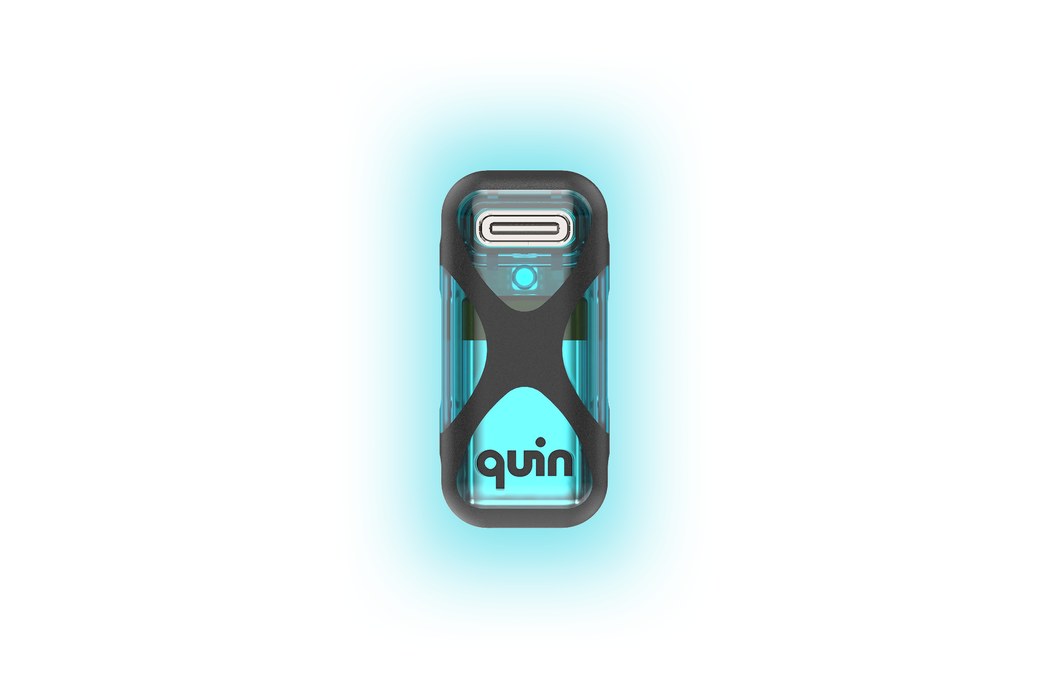
Quin
Quin (Quintessential Design) builds intelligent safety technology for helmets. Founded in 2017 by industrial designer Anirudha 'Ani' Surabhi, the company created the first motorcycle helmets with integrated crash detection and an SOS beacon, then pivoted to an 'ingredient brand' model that licenses its sensor-fusion hardware and emergency-response software to leading helmet makers. Its Quin Pod and Quin Tag devices measure motion thousands of times per second, detect dangerous impacts, and automatically alert emergency contacts and dispatch services with location and impact data across cycling, motorsport, snow sports, climbing and equestrian.

Sfara
Sfara is a Hoboken, New Jersey-based mobility-safety software company that turns an ordinary smartphone into a crash-detection and emergency-response platform - no dedicated hardware required. Using patented on-device AI, its SDK detects vehicle collisions at any speed (including its 'ZeroMotion' capability for stationary vehicles) while a multi-layered suppression framework filters out false positives. Sfara sells a GDPR-compliant SaaS platform to insurance carriers, automotive OEMs, fleets, and mobile network operators, aiming to accelerate first-notification-of-loss (FNOL), speed emergency response, and modernize telematics.

Erik Goldman
Erik Goldman is the founder and CEO of Sfara, a Hoboken, New Jersey company that turns an ordinary smartphone into a safety and collision-detection platform using on-device AI and sensor data. A connected-vehicle pioneer, he co-founded Hughes Telematics in 2006, grew it to more than 1,000 employees and roughly $250M in revenue, and saw it acquired by Verizon in 2012, where he served as Group President of Verizon Telematics. At Sfara he is building AI that detects crashes at all speeds, suppresses false positives, and speeds emergency response and insurance claims for automakers, insurers, fleets and wireless carriers.