corporate-sustainability
(12)
Pacte mondial France: the membership that comes with homework
More than 2,200 companies have joined France’s UN Global Compact network. The interesting part is what follows the signature: annual reporting, shared training and the awkward business of turning principles into practice.
UN Global Compact Netzwerk Deutschland: The pledge comes with homework
A public promise is easy to frame. Germany’s UN Global Compact network gives companies peer groups, practical training and a yearly reporting obligation to put behind it.
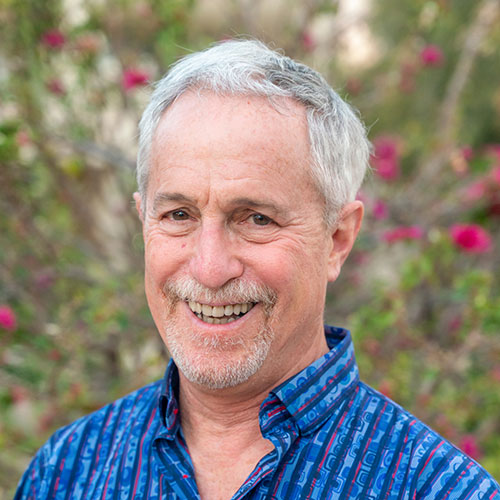
Joel Makower Found His Beat Before Business Found the Climate
He began with a paper newsletter, built a digital clearinghouse before the web had a business model, and spent three decades asking companies whether their green promises could survive contact with the balance sheet.

The Sustainability Report Is the Last Thing Context Makes
For nearly three decades, a small transatlantic consultancy has made a business of translating the unruly language of sustainability into decisions, disclosures, and stories people can actually use.
Financial Profiles Teaches Wall Street What the Numbers Mean
A Los Angeles firm built a business around a stubborn capital-markets problem: strong companies can still be badly understood. Its answer is part finance, part journalism, and a great deal of disciplined repetition.
One Small Network Teaches Corporate Colombia to Make Promises It Can Measure
It began as an international cooperation project and became the room where Colombian business turns ten UN principles into workshops, targets, reports and awkwardly useful conversations. The clever part is not the pledge - it is the machinery after the pledge.
UN Global Compact Network USA puts the sustainability pledge to work
The U.S. network turns a CEO’s signature into emissions inventories, human-rights due diligence and peer learning. Its real test comes after the welcome letter.
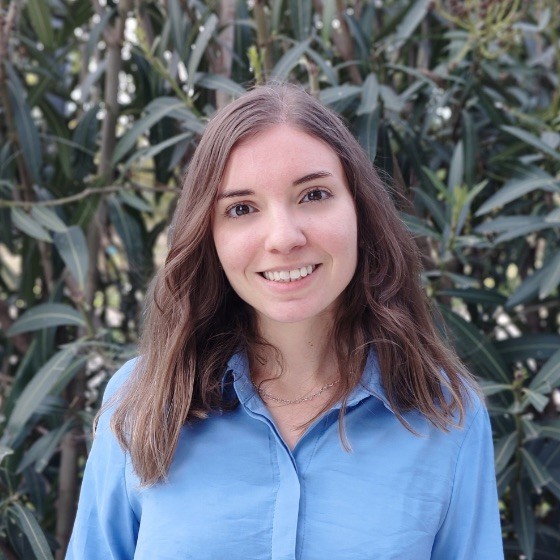
Luisina Busso Is Making Water Risk Legible to the People Who Must Act on It
An industrial engineer turned growth leader, Busso works at the seam between water expertise, corporate operations and public language - where a risk becomes useful only after people can see it, discuss it and decide what to do.
Sustainability Roundtable, Inc.
Sustainability Roundtable, Inc. (SR Inc) is a Boston-based, certified B Corporation that provides membership-based strategic advisory and support services in enterprise decarbonization. For more than fifteen years it has helped executives at nearly 100 Fortune 500 and high-growth companies set sustainability goals, drive progress, and report results through shared-cost research, one-on-one consulting, and a peer community. Its two flagship offerings are the Sustainable Business & Enterprise Roundtable (SBER) advisory service and the Net Zero Consortium for Buyers (NZCB), a confidential corporate renewable-energy buyers' community and transaction platform.
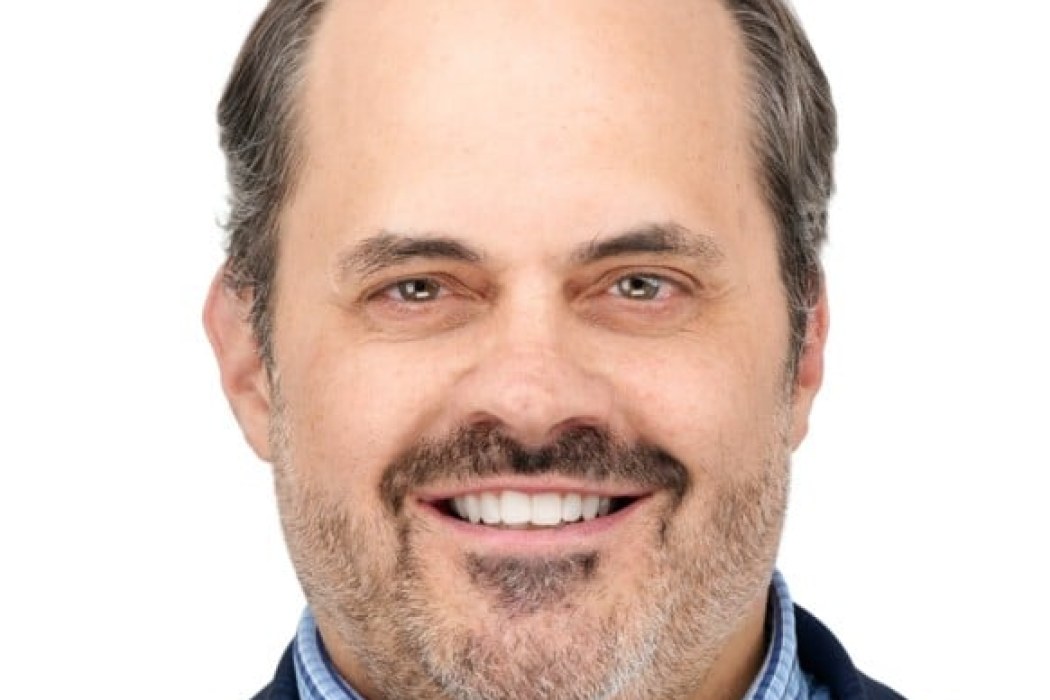
James Boyle
James (Jim) Boyle is the founder and CEO of Sustainability Roundtable, Inc. (SR Inc), a Boston-based public benefit corporation and certified B Corp that advises global companies such as Akamai, Biogen, Cisco, Thermo Fisher Scientific, and Wayfair on corporate sustainability governance, renewable energy procurement, and organizational resilience. A former attorney and aide to U.S. Senator John Kerry who moved through commercial real estate before founding SR Inc in 2009, Boyle built a shared-cost research and advisory model that has helped nearly 100 Fortune 500 and growth companies pursue more sustainable high performance. In 2026 he published Dignity First Leadership, a framework arguing that companies should place human dignity at the center of value creation in an age of climate breakdown and technological upheaval.
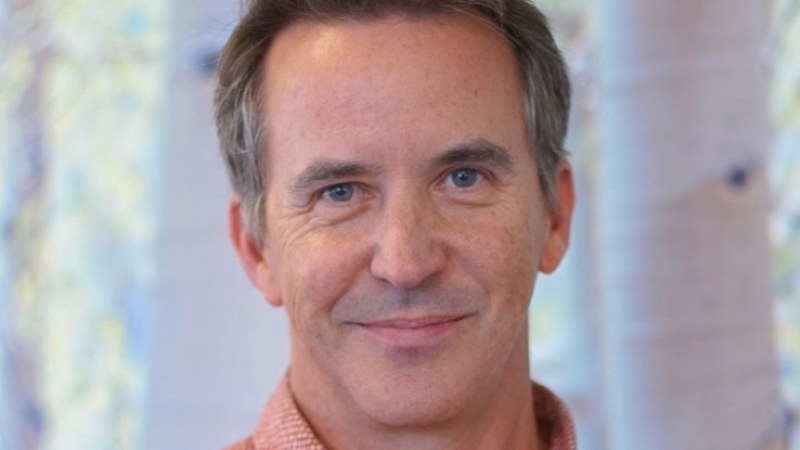
Eric Faurot
Eric Faurot is the long-serving CEO of Trellis Group (formerly GreenBiz Group), a B2B media company headquartered in Oakland, California that runs flagship sustainability conferences including VERGE, BLOOM, GreenFin, and Circularity. Over 14 years at the helm, he built GreenBiz into a leading platform for sustainability professionals - combining editorial media, peer networks, and live events - before transitioning to a Growth Leader role in July 2024 when Hana Kajimura succeeded him as CEO. His career traces an arc from tech media event production (COMDEX, INTEROP, Black Hat) to climate and sustainability, making him a rare figure who bridged Silicon Valley-era conference culture with the emerging sustainability economy.
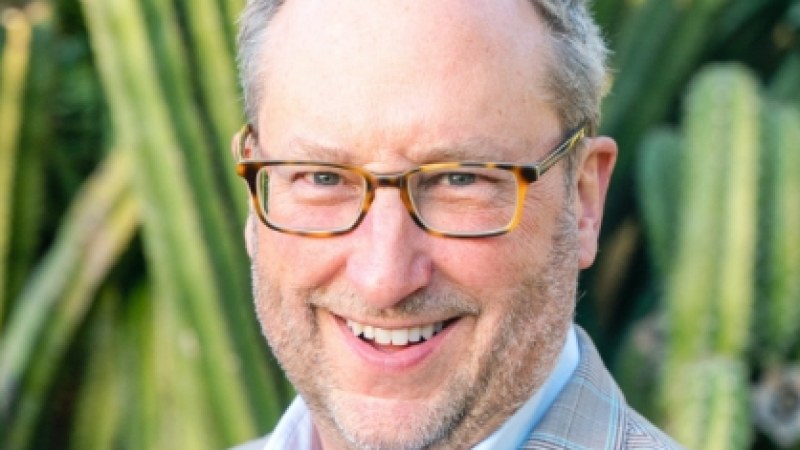
Pete May
Pete May is President and Co-Founder of Trellis Group (formerly GreenBiz Group), the leading media, events, and peer-network platform for corporate sustainability professionals. In 2006, he and Joel Makower purchased GreenBiz.com and built it from a niche newsletter into a global sustainability intelligence brand with flagship conferences, digital media, and professional communities. Drawing on over two decades of B2B publishing leadership at Primedia, CMP, and Miller Freeman, May brought seasoned media-industry discipline to a space that desperately needed it — transforming green business from fringe conversation to boardroom imperative.