corporate-reputation
(21)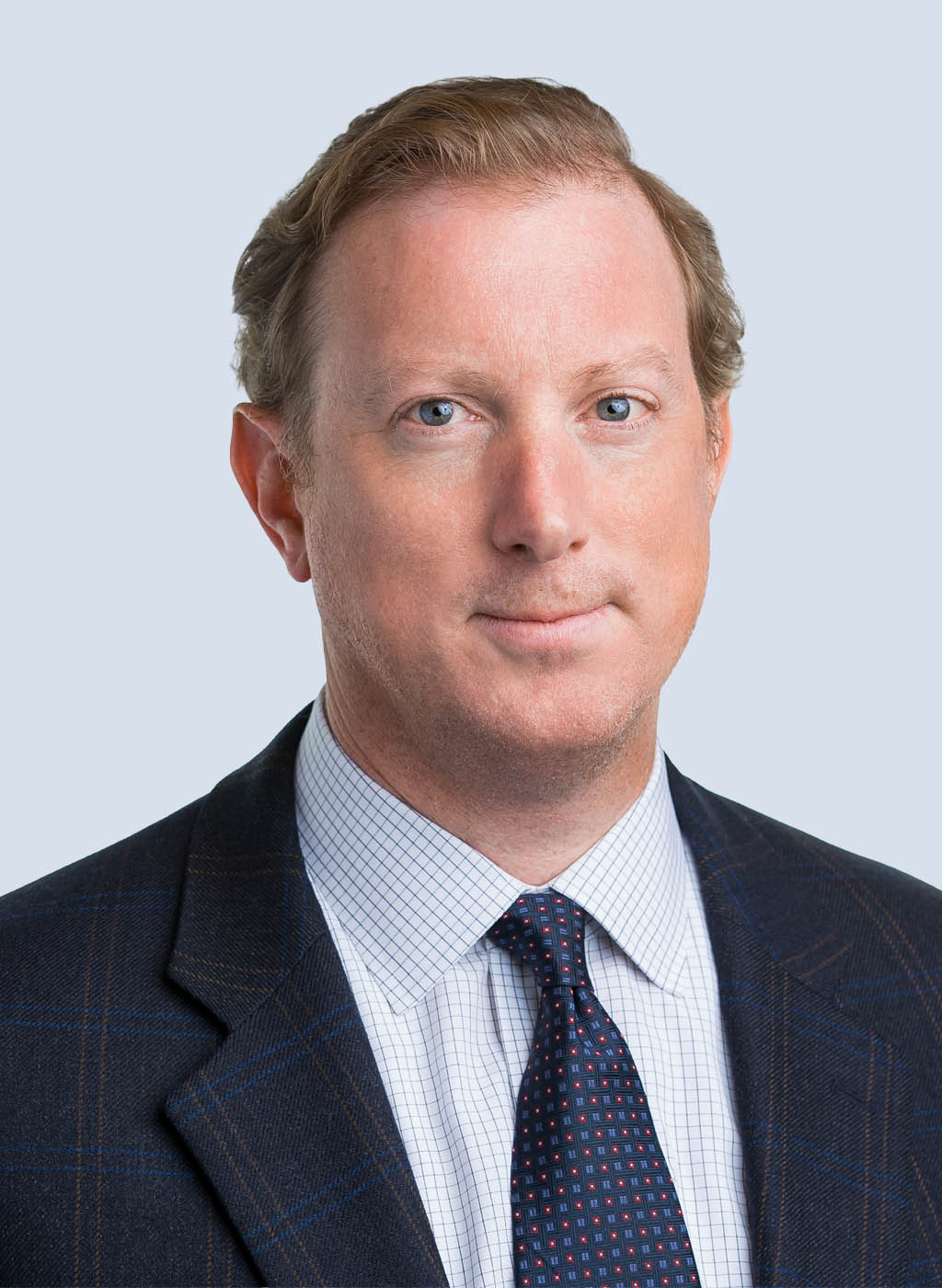
Andrew Cole Built a Career for the Moment the Script Breaks
For nearly three decades, the Maine-raised adviser has worked behind the announcements that move markets. His rise from junior associate to deputy global CEO reveals a quieter craft: deciding who needs to hear what, and when.

Charlie Wilkie Is Teaching Corporate Goodness to Survive the Algorithm
Across the Guardian, Upworthy, HuffPost and 3BL, Charlie Wilkie has built a career around a stubborn question: how can worthy ideas earn attention without losing their worth? His latest answer treats AI not as a writing trick, but as a new arena for trust.
LSG Built a Washington Agency by Leaving Washington
The public-affairs firm’s useful contradiction is simple: it sits in Washington, but its best work begins by finding the people who do not.
The Firm You Call When the Sentence Cannot Be Wrong
Kekst CNC sells something hard to put on a rate card: judgment when a company has one chance to explain itself. Its history begins with an accidental niche, a client the founder refused to defend, and a merger two decades in the making.
The Annual Report Refused to Die. Sia/Addison Made It Useful.
For 64 years, this Wall Street agency has practiced an unfashionable craft: making corporate disclosure worth reading. Its latest trick is blending that old discipline with sustainability strategy, digital products and AI.

Current Global Makes Public Relations Out of Things People Can Touch
The Chicago-born agency’s best ideas do not sit politely inside advertisements. They become passes, policies, fellowships, game characters and finish-line numbers - useful objects engineered to travel through culture.
The Agency That Bet the Map Was Wrong
Jeffrey Sharlach built a communications firm around a curious proposition: Latin America was not a side market. Three decades, six offices and one WPP acquisition later, the niche looks less like a limitation than the whole trick.
The Agency Bought for Its Bad Days
TrailRunner built an agency for the moments when law, money, politics and reputation collide. Then a public-affairs group paid $33 million upfront to own that collision.
We. Communications Bet on Tomorrow Before Tomorrow Had a Press Office
In 1983, Melissa Waggener Zorkin made a bet that technology would need translators. Four decades, several names and one stubbornly enduring Microsoft relationship later, her independent agency is still turning complicated change into stories people can use.

Teneo Built a Company for the Phone Call No CEO Wants
A communications boutique became a 1,800-person advisory machine by buying the specialists executives need when reputation, capital, risk and leadership collide. Its hardest assignment arrived when the crisis was its own.

The PR Agency That Learned to Build the Whole Machine
APPLE TREE began with public relations and kept annexing the neighboring disciplines. The result is a €32 million independent group built around a deceptively simple idea: make communications useful to the business, not merely visible to the press.
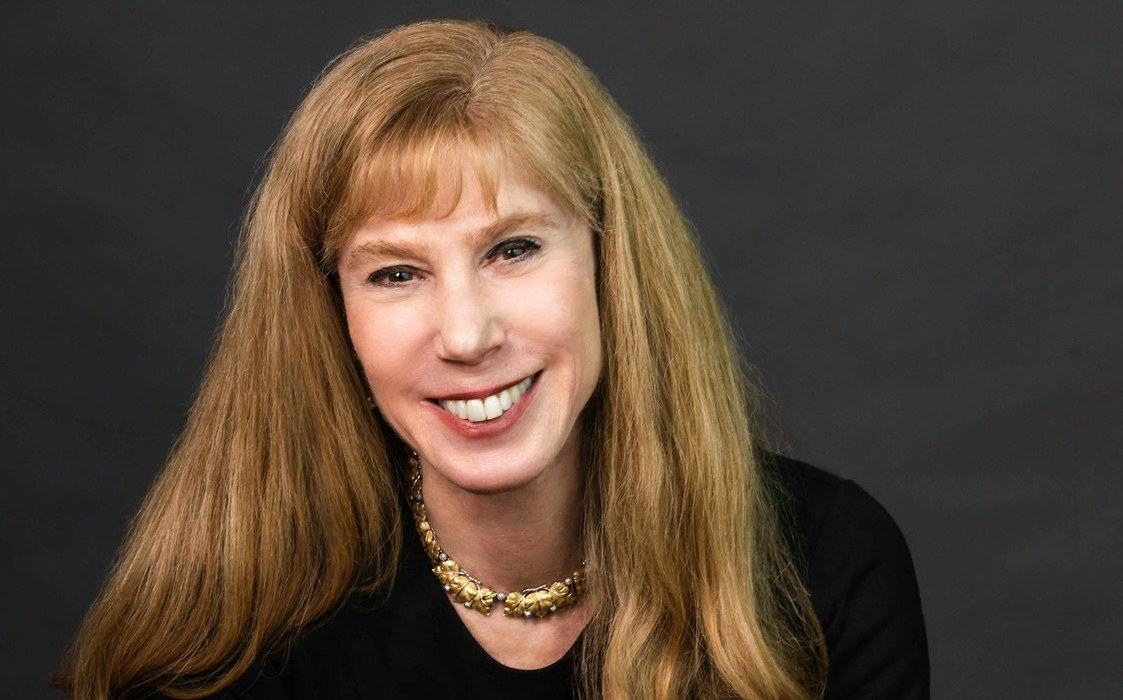
Kathy Bloomgarden Bet on China Before It Was Obvious. Now She Is Doing It Again With AI.
The Ruder Finn CEO began in a back-office research role, turned Chinese studies into a three-decade strategic advantage, and still prefers the next question to the comfortable answer.
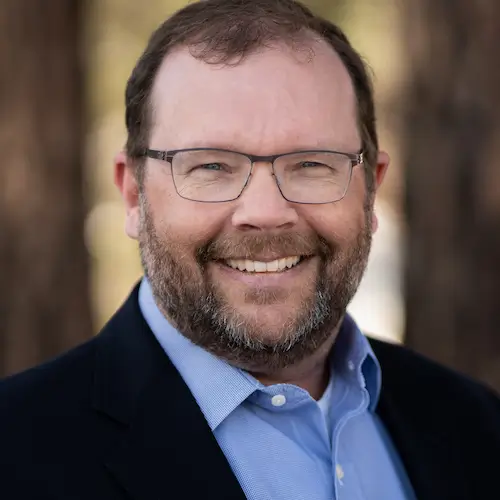
Jim Hughes Learned the News Business. Then He Moved to the Other Side of the Quote.
Before he advised companies through IPOs, lawsuits and crises, Jim Hughes reported from Denver and wartime Iraq. At TrailRunner International, he now runs a global communications firm with an old newsroom instinct: earn attention before you need it.
The Firm That Sells the Sentence Before the Story
Ridgely Walsh turns complicated companies and causes into stories the public can actually follow. Its product is not publicity alone, but a disciplined chain of message, messenger, room and moment.
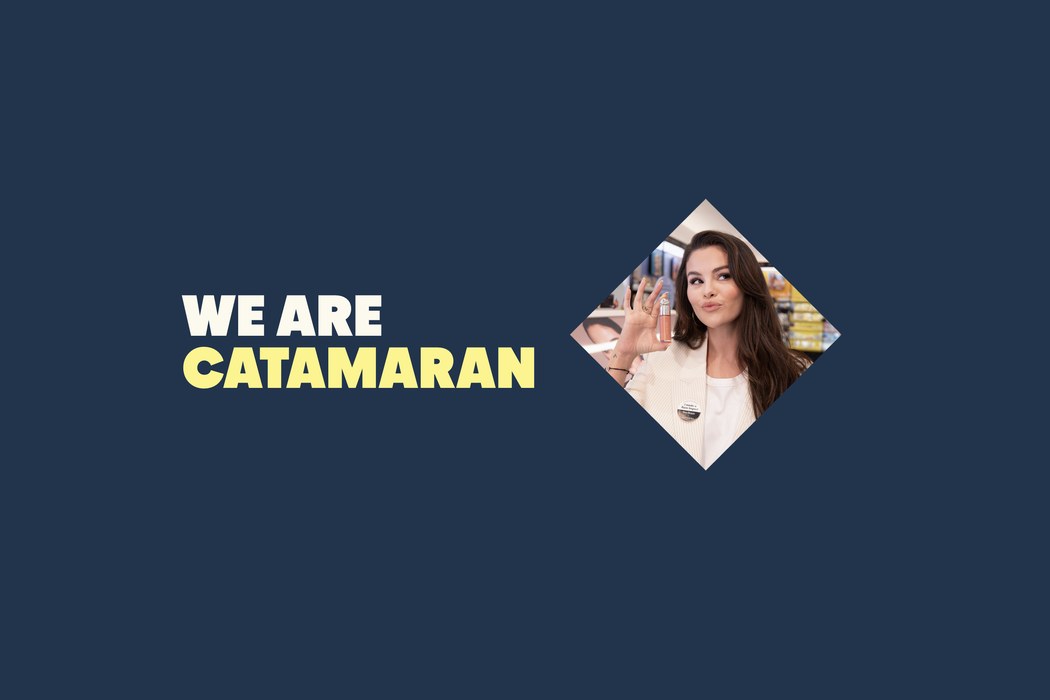
Catamaran Cut the Agency in Half - and Kept the Part Clients Could Name
A 20-person PR practice left a full-service agency without leaving its people, clients or history behind. The wager is simple: in a fragmented media world, a narrower promise can make an experienced team more useful.
The National Campaign That Starts on Your Block
SixAM Strategies thinks national influence is won one neighborhood at a time. Its wager is simple: centralize the strategy, localize the messenger, and be ready to move in 48 hours.
Summit Strategy Group wants your crisis to happen in rehearsal
The California consultancy brings public affairs, sustainability, and communications into the same conversation. Its most useful lesson starts before anyone has to issue a statement.
M Booth Gives Familiar Brands Something New to Talk About
An eight-hour queso video. A forest for grounded travelers. Inside the communications agency that turns everyday products and awkward business problems into public conversation.

Catherine Riedel Makes Complicated Companies Understandable
Across three decades, the Chicago communications executive has translated dense technology, corporate change and public-sector ambition into language people can actually use. Her method begins with a deceptively unfashionable question: should we do this at all?
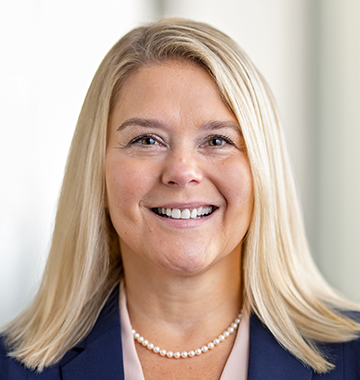
The Storyteller Behind Abbott
A journalism major who joined Abbott in 1996 now runs marketing, communications, and philanthropy for one of the biggest names in health - and she still argues the only thing that matters is whether you are relevant to the people you are trying to reach.
The Harris Poll
The Harris Poll is one of the longest-running public opinion and market research firms in the United States, tracking the sentiment, behaviors, and motivations of American adults since 1963. Now part of Stagwell (NASDAQ: STGW), it pairs decades of polling heritage with AI-powered research tools such as the Harris Quest suite, advising leaders, brands, and institutions on how to anticipate change and act with confidence.