consumer-pr
(12)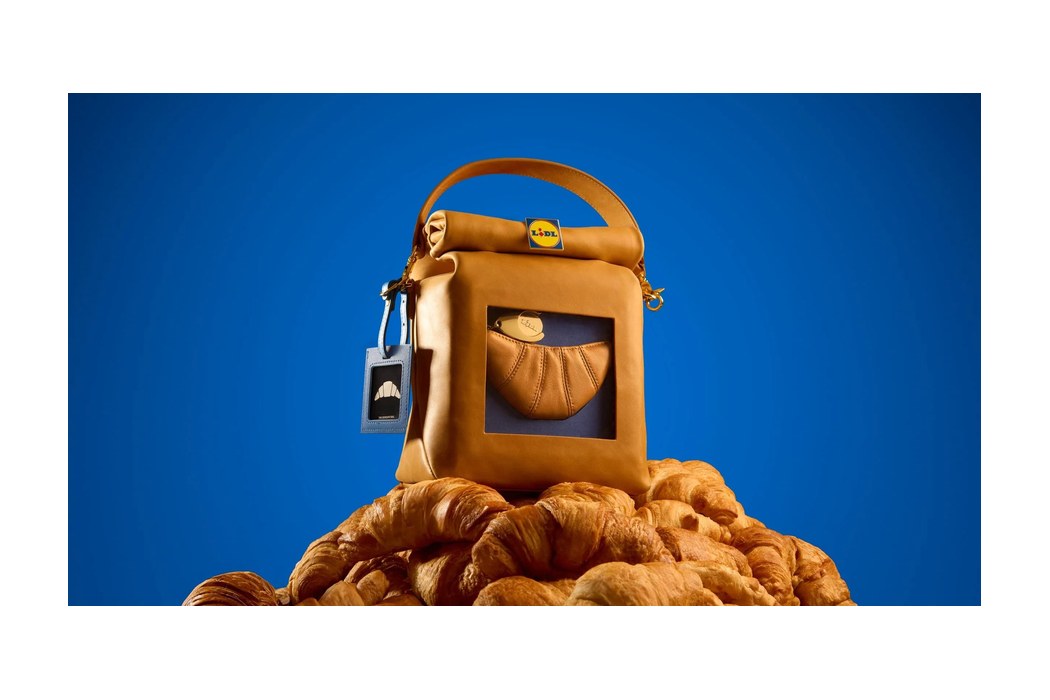
The Romans Put a Croissant in a Handbag - and PR Back in the Room
Most agencies pitch messages. The Romans prefers to make an object, stage an argument or borrow a town - anything that gives the public a story worth carrying on its own.

The PR Agency That Put Its Employees in the Owner's Chair
W spent 14 years growing like a founder-led agency. Then, still profitable and expanding, it handed employees a stake in what came next - while betting that modern PR should sell products, not merely collect headlines.
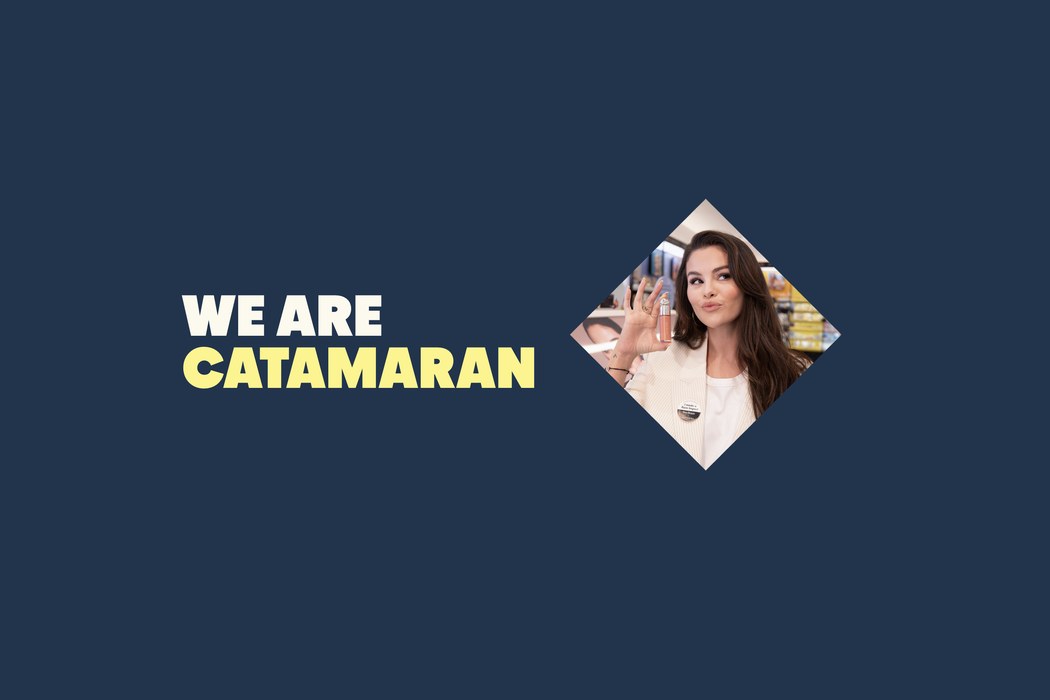
Catamaran Cut the Agency in Half - and Kept the Part Clients Could Name
A 20-person PR practice left a full-service agency without leaving its people, clients or history behind. The wager is simple: in a fragmented media world, a narrower promise can make an experienced team more useful.

The Best Call BRAVE Ever Got Began With: “We Made a Mistake”
A tiny Atlanta agency lost a golf account to the sports experts. Then the client called back - and revealed why BRAVE’s small-team model has lasted since 1999.

The Agency That Made Distance Its Best Product
PPR did not sell a clever slogan so much as a map: people on the ground across Australia and New Zealand, ready to make one brief feel local. Its best work shows why that mattered - and why, after 49 years, the map became more valuable inside a global network.
The PR Firm That Knows a Reporter Has Twenty Seconds to Care
Ann Noder spent a decade deciding which stories deserved airtime. Then she crossed the newsroom and built Pitch Public Relations around a blunt idea: a company is not news until somebody finds the part a stranger would care about.
Crafted Communications Put PR on the Income Statement
The Los Angeles agency built its pitch around a blunt idea: earned media should carry trust, then prove what that trust did for the business.
The PR Firm That Made an Old Town New by Giving It to the Dogs
Carmel-by-the-Sea had charm, rivals and almost nothing new to announce. Graham & Associates found the story hiding under the restaurant table - then built a 21-year award trail around the same discipline: make the familiar newly interesting.
The PR Agency That Shops the Shelf Before It Pitches the Story
BLAZE PR built a national consumer agency around a surprisingly physical habit: go to the store, eat at the restaurant, fix the shelf - then decide what story deserves attention.
Dotted Line Communications knows when to leave the press release at home
Free coffee. Pedicab rides. A few more Saturdays at the wading pool. Inside the boutique PR firm that helped Ask.com turn a useful gesture into a reason to come back.
GG Benitez found a better business inside the buzz
Her babywear brand won attention. Its margins told a different story. GG Benitez turned the skill behind the publicity into an agency that gives consumer products a reason to be talked about.

The PR Firm That Turned a Hot-Sauce Account Into a 36-Year Moat
HUNTER began with one food client in 1989. Thirty-six years of TABASCO later, the agency's real product looks less like publicity and more like sustained attention - measured in culture, commerce and trust.