In 2016, Kristin Cowart Pierce pitched the TOUR Championship and lost. The tournament chose an agency with a sports pedigree, which sounded reasonable. Golf tournament, sports agency. The nouns matched. Then, a week before the 2017 event, an executive called Pierce and said four words no rejected agency forgets: “We made a mistake.” The problem was not golf. The problem was that too many people still thought the tournament was only about golf.
The client needed families, food lovers, young Atlantans and people who might enjoy a September afternoon at East Lake without knowing the difference between a birdie and a bogey. The specialist knew the sport. BRAVE Public Relations knew how to widen the invitation.
BRAVE took over for the 2018 tournament. Its team pitched dining, social and family angles to lifestyle reporters, put tournament leaders in the right rooms, arranged newsroom meetings and worked the press during tournament week. The agency says the campaign generated more than 300 unique placements. General ticket sales rose 32 percent; attendance rose 39 percent. The most lifestyle media in tournament history showed up.
The client had bought category expertise. What it came back for was audience imagination.The BRAVE wager
/ The boutique is the product
Pierce founded the Atlanta firm in 1999, before she turned 30. She had already seen two versions of big-agency life: Golin in Atlanta, where her accounts included Starbucks, McDonald’s and Sara Lee’s Olympic sponsorship work, and Edelman in London, where her fourth day on the job sent her to a press conference in Oslo. The training was broad. Her response to it was small.
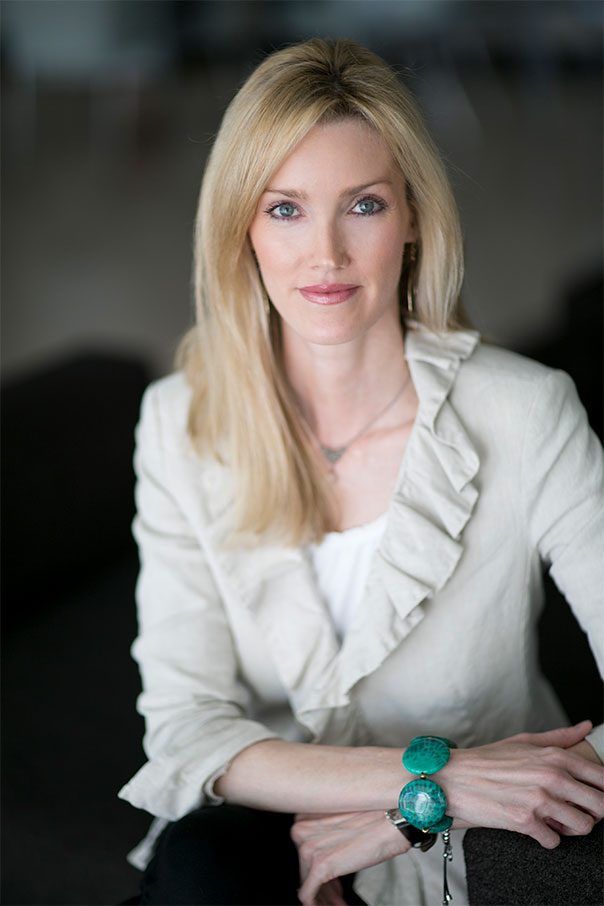
The founding proposition was straightforward: give clients large-agency experience without the relay race of handoffs. BRAVE says a senior person works on every account. That claim matters more than “boutique,” a word agencies use the way hotels use “curated.” Here it is an operating constraint. Senior attention limits how many accounts the firm can responsibly carry, but it also shortens the distance between a problem and someone empowered to solve it.
That becomes especially valuable when the work stops being decorative. BRAVE says it has handled more than 1,500 reputation issues. Pierce once described the agency’s greatest value as arriving on a random Tuesday at 9 p.m. A crisis plan, a calm spokesperson and an editor who answers your call are not glamorous. They are useful.
/ The work between announcement and attention
The firm’s menu covers media relations, influencer programs, crisis and reputation counsel, social strategy, special events, partnership marketing, executive media training and copywriting. Those sound like separate products. In practice, BRAVE sells coordination: deciding what is genuinely interesting, choosing who should hear it, preparing the person who must say it and making the many small things happen on time.
Turn openings, products and corporate plans into stories for distinct audiences.
Build messages and train spokespeople before the camera or crisis arrives.
Coordinate journalists, influencers, partners, guests and event logistics.
Triage inquiries and shape internal and public responses when stakes rise.
Consider The Fresh Market. For 13 years, BRAVE helped the grocer through its most aggressive expansion period, supporting more than 140 openings across 24 states. A store opening is only news once. The agency needed a repeatable system without producing the same story 140 times. It created national guidelines, local processes, custom messaging and different cadences for markets where the grocer was unknown versus places where it was adding density.

That pattern also explains BRAVE’s customer base. Retailers, hotels, restaurants, attractions, theaters, fitness brands and nonprofits all live or die by the same awkward conversion: a physical experience must become an idea worth leaving home for. Publicly named clients have included Simon, Tanger Outlets, Pike Nurseries, Fox Theatre, Broadway in Atlanta, Feld Entertainment, Planet Fitness, Nobu Atlanta and Sloomoo Institute. Some are national brands. Many need a distinctly local reason to care.
Three campaigns, three kinds of proof
Reported unique media placements. Campaign definitions and measurement periods differ.
/ Kermit had constraints
The Center for Puppetry Arts assignment is a tidy example of the job. The Atlanta institution had received more than 500 Jim Henson puppets and artifacts and was opening the Worlds of Puppetry Museum. It also had a limited budget, licensing restrictions on Muppet characters and a deadline. In other words, it had a beloved green celebrity who could not simply be pasted onto every press release.
BRAVE mixed national arts outreach with fan blogs, social influencers, hard-hat tours and preview days. Cheryl Henson and other members of the Henson family gave interviews. Kermit helped cut the ribbon. The agency reported more than 280 placements and a sold-out opening weekend of more than 2,000 visitors. The clever part was not merely access to a famous frog. It was sequencing scarce access so each audience received a reason to participate.
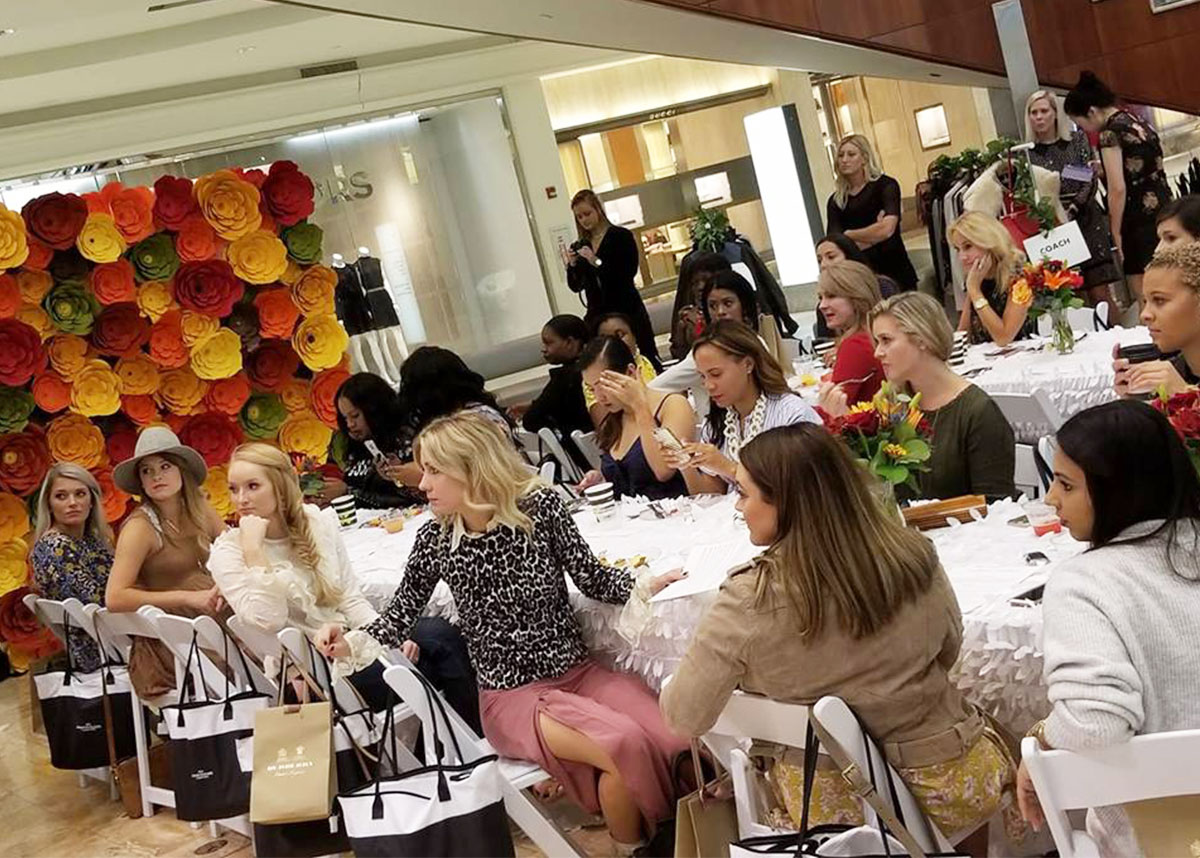
The same mechanics appeared at Clarksburg Premium Outlets, which opened an hour from many Washington television stations and one week before Election Day. The news cycle was hostile, the location inconvenient and nearby outlets created the risk of cannibalization. BRAVE sharpened the center’s one-of-a-kind retail angle, prepared the CEO to discuss consumer confidence and tailored outreach by outlet. The agency reported more than 570 placements, nearly 500 million impressions and close to $800,000 in media value.
These are the firm’s own campaign figures, and they should be read as case-study measurements rather than laboratory results. But the useful lesson is visible before the totals: specificity beats spray. One reporter gets a business trend. Another gets food. A family editor gets an outing. The underlying facts stay put; the doorway changes.
/ What a small company can steal
Public relations rarely behaves like a boxed product. The commercial model is the familiar agency one: retained or project fees in exchange for strategy, relationships and execution. The better question is whether a company has enough substance for earned attention. A weak product, an interchangeable announcement or a leader unwilling to prepare cannot be rescued by a handsome media list.
The five-part BRAVE pattern
- Define the business outcome before counting coverage.
- Split “the public” into actual groups with different reasons to care.
- Give each group a true angle, not a cosmetic rewrite.
- Put experienced judgment close to the account and the spokesperson.
- Prepare relationships and crisis language before Tuesday at 9 p.m.
The model is less useful for organizations seeking guaranteed placement on a fixed date; that is advertising. It also struggles when leadership treats media training as theater, hides relevant facts or expects one launch to substitute for long-term credibility. Earned media requires something worth earning, plus enough patience for another human being to decide it matters.
BRAVE’s own durability is the final evidence. Jennifer Walker joined in 2007, rose through the agency and became president in 2021. Pierce still leads as founder and CEO. The firm remains independent, female-powered and deliberately small after more than a quarter-century. Its point is not that small teams always beat large ones. The golf account already disproved that kind of tidy rule. Its point is that the category on the brief can be narrower than the audience in the world.
A golf tournament is sports until someone notices it is also lunch, family time, hospitality, Atlanta and an excuse to go outside.The wider frame
/ Find BRAVE
The agency’s own work and profiles offer more detail on its services, people and campaign results.