connected-care
(5)
Welldoc Spent 20 Years Turning a Diabetes App Into the Plumbing for AI-Powered Care
The Maryland company learned that FDA clearance was only the opening move. Its more durable play is connecting devices, care teams and everyday decisions - then selling that regulated intelligence through the institutions already paying for chronic care.

Philips Bet the Whole Company on Hospitals - Then a CPAP Recall Almost Broke It
It made light bulbs, then TVs, then the CT scanner in your local hospital. The story of how a Dutch electronics giant reinvented itself as a pure health-tech company - and nearly lost the bet.

Baxter International Inc.
Baxter rarely gets the bedside spotlight. Its pumps, beds, monitors, medicines and IV bags are the practical infrastructure that lets modern care move - and the century-old company is rebuilding itself around a more connected hospital.

Bloomlife
Bloomlife is a San Francisco maternal health company that pairs FDA-cleared wearable sensors with a connected-care platform so high-risk pregnancies can be monitored from home. Born from a co-founder's own NICU experience, the company shifts prenatal care out of the clinic and into the living room - tracking fetal heart rate, blood pressure and glucose, then feeding the data to clinicians through risk-stratification tools meant to catch complications earlier.
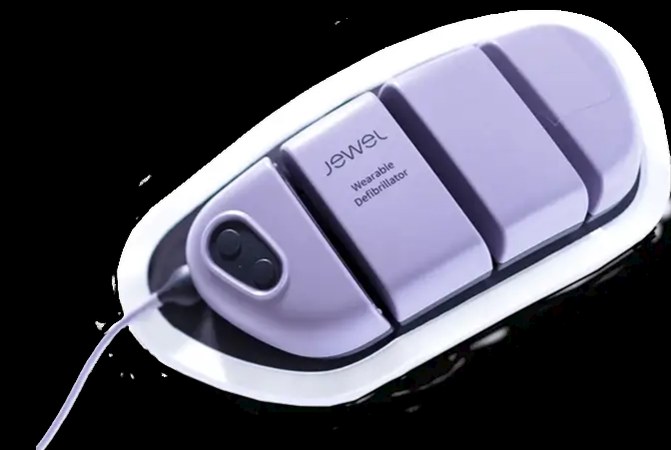
Element Science, Inc.
Element Science is a San Francisco medical device and digital health company building the Jewel - a patch-based wearable cardioverter defibrillator that continuously monitors high-risk cardiac patients and delivers a life-saving shock when a lethal rhythm is detected. Founded in 2011 by Dr. Uday Kumar, the company combines clinical-grade wearables, machine learning, and human-centered design to protect patients with elevated, temporary risk of sudden cardiac arrest.