childrens-books
(7)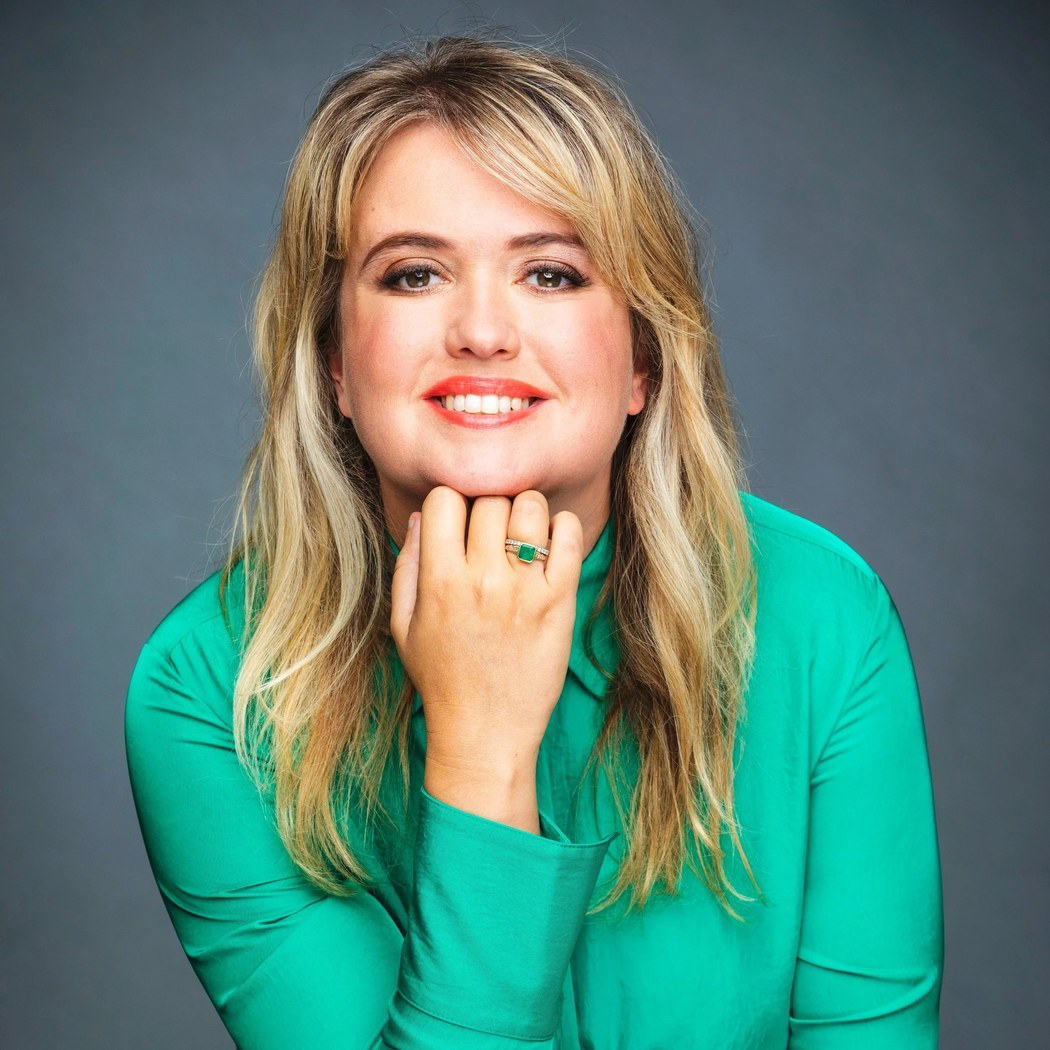
Elena Favilli and the bedtime story that outgrew Silicon Valley
After years of making children’s apps, Elena Favilli and Francesca Cavallo asked readers to help publish a book about real women. The answer changed the business, and the cast of characters at bedtime.
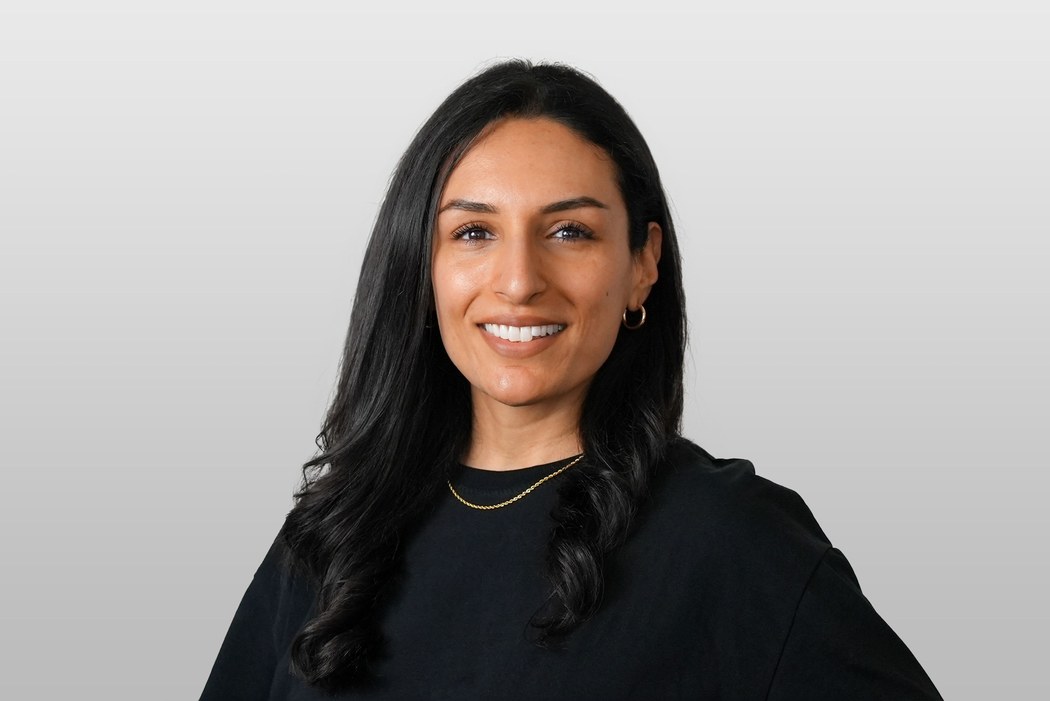
Raj Khaira and the things we learn to question
A classroom debate, a box of pink sweets, a shelf of children’s books. Before and during her years building AutogenAI, Raj Khaira kept finding practical ways to challenge the stories people inherit.
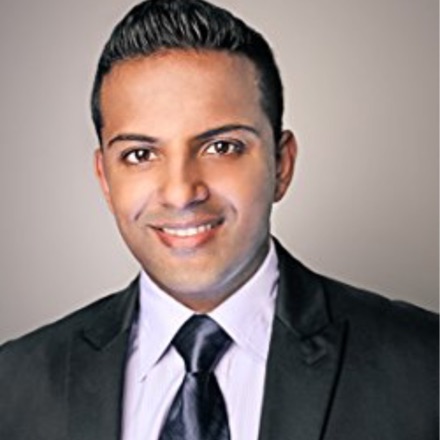
Joel Palathinkal and the business of learning to fly
Before Sutton Capital, Joel Palathinkal built Navy flight simulators and digital products. His next project brought investors into a classroom - and his son into a story about a robot with somewhere else to go.

Andy Bergmann Has Spent a Career Making Complicated Things Feel Obvious
Before he marketed software that untangles prior authorization, Andy Bergmann made charts behave like stories, turned 37 years of waves into a game, invented a four-ended measuring spoon, and gave a giraffe an orchard. The medium keeps changing. The instinct does not.

Rebel Girls
Rebel Girls is a global, multi-platform empowerment brand for Generation Alpha girls, built around true stories of extraordinary women. What began as a record-breaking Kickstarter book, Good Night Stories for Rebel Girls, has grown into a franchise of best-selling books, an award-winning podcast, an Apple Design Award-winning app, and a licensed merchandise line. A certified B Corporation and Women-Owned business, Rebel Girls has sold roughly 13 million books across 62 languages, logged more than 30 million podcast downloads, and set a goal of reaching 50 million girls.
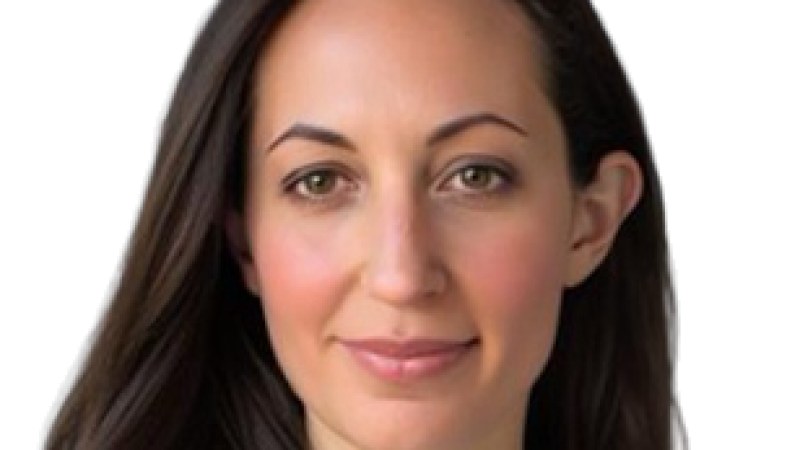
Alexandra Frankel
Alexandra Frankel is the CEO of Getwizer, a New York-based hybrid consumer insights platform that fuses AI automation with human research expertise to run fast, custom, modular studies for brands like Mars, Coca-Cola, Paramount and Puma. A McGill-trained psychologist with a master's in quantitative methods from Columbia, she rose through roles at Nielsen, Ipsos, NBCUniversal, Simulmedia and Hotspex before spending five years at Getwizer as head of insights and strategy, then taking the top job in February 2025. She has two prior research-startup exits (to Nielsen and Ipsos), two industry innovation awards, a notable streak of NFT consumer studies, and a nonprofit children's book venture, Rainbow Zebra Co., built around teaching kids kindness.
Room to Read
Room to Read is a global nonprofit working to create a world free from illiteracy and gender inequality. Founded in 2000 after a Microsoft executive's trek through Nepal, it partners with communities and governments to build foundational literacy in early grades and to support girls through secondary school with life-skills and mentorship. As of 2024 it reports reaching more than 50 million children across 28 countries.