chief-technology-officer
(12)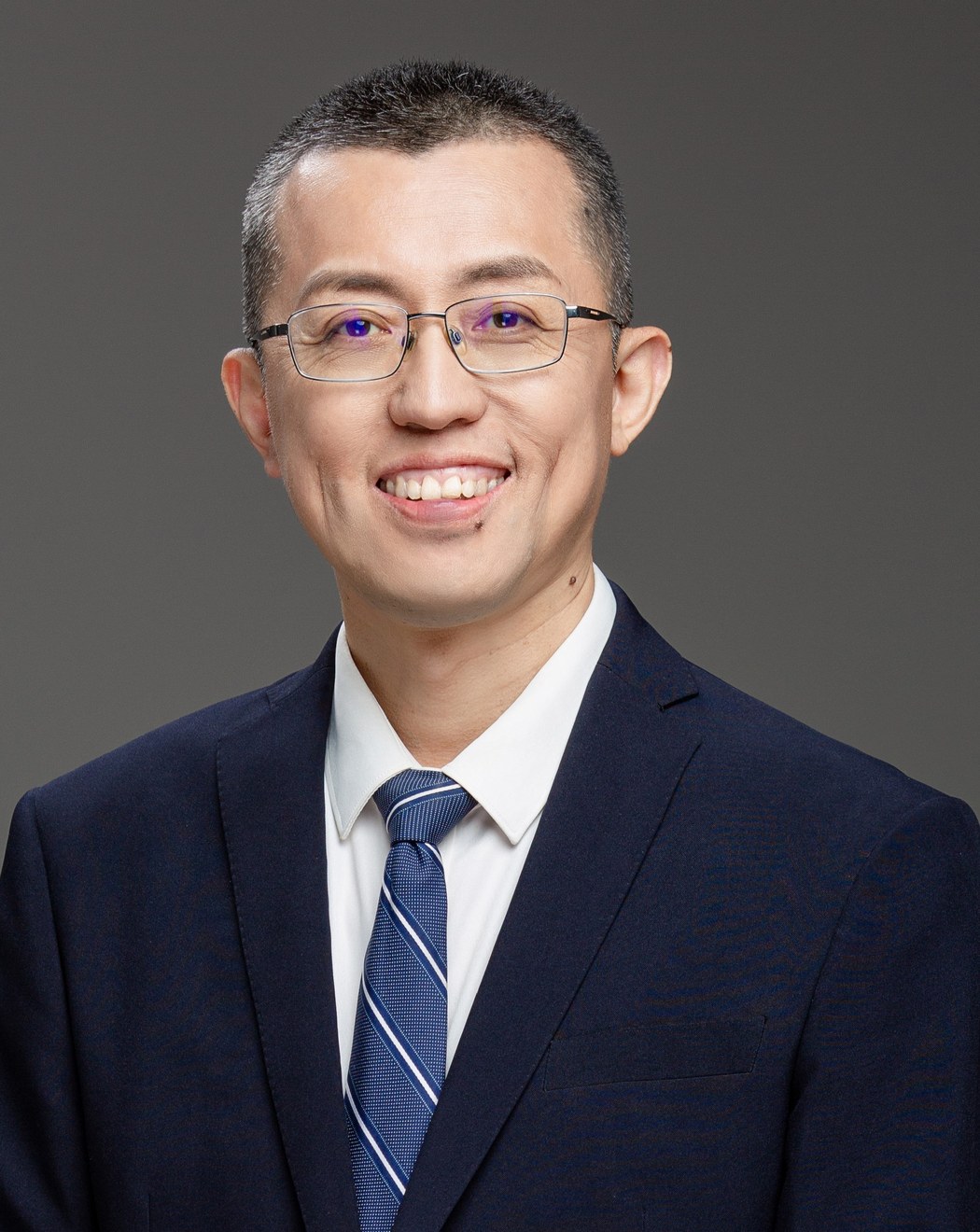
Larry Wang and the art of starting twice
A GenScript co-founder returned to the work of building a company. At Vibrant Therapeutics, Larry Wang’s next chapter connects a programmer’s habits with the responsibilities of a shared CEO office.

Raj Gidvani and the quiet arithmetic of AI
At Gen II Fund Services, Raj Gidvani brings an engineer’s discipline to private markets technology. His case for AI pairs measured gains with formal governance, enterprise security and human oversight — commitments reflected in Gen II’s Verifii quality control platform.
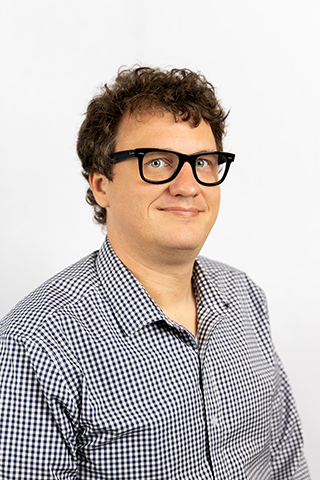
Danny Lynch and the Cache Miss That Led Home
He learned to notice which tiny delays mattered inside a processor. At The Helper Bees, the Austin engineer applies the same instinct to a messier system: getting everyday support through an insurance claim and into a person’s home.
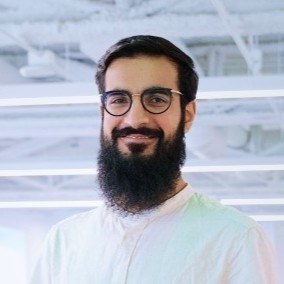
Waleed Asif Learned to Fix What Others Threw Away
Before NexHealth became a billion-dollar company, its technical co-founder paid bills by repairing discarded computers. That instinct - open the box, question the design, make the old machinery useful - became a blueprint for taking on healthcare's locked data systems.

Mark Heys and the Art of Seeing the Customer Before They Leave
Before customer success had a proper cockpit, Mark Heys was already tracing the signals. His career explains how an overlooked internal problem became ChurnZero - and why the quiet work of infrastructure can shape an entire category.
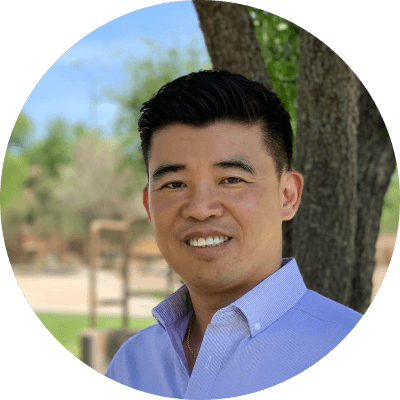
Jacky Chiu and the Human Exception
The Brightside co-founder has spent his career building systems for complicated, regulated industries. His defining choice is to leave room in the machinery for a person who can listen.
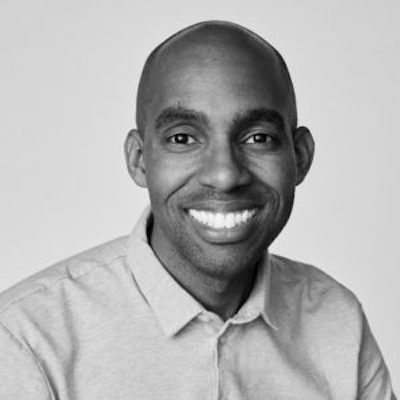
Rome Portlock and the Six-Week Rewrite
An MIT engineer, three nurses in the family and a startup idea that did not work. Rome Portlock turned that unpromising combination into a new rule for hospital hiring: let employers make the first move.

Stanislav Vishnevskiy Built the Room Before the Party Arrived
Before Discord connected millions of players, its CTO was a teenager wiring together forums, voice chat and friendships for a Final Fantasy XI guild. The scale changed. The problem did not.
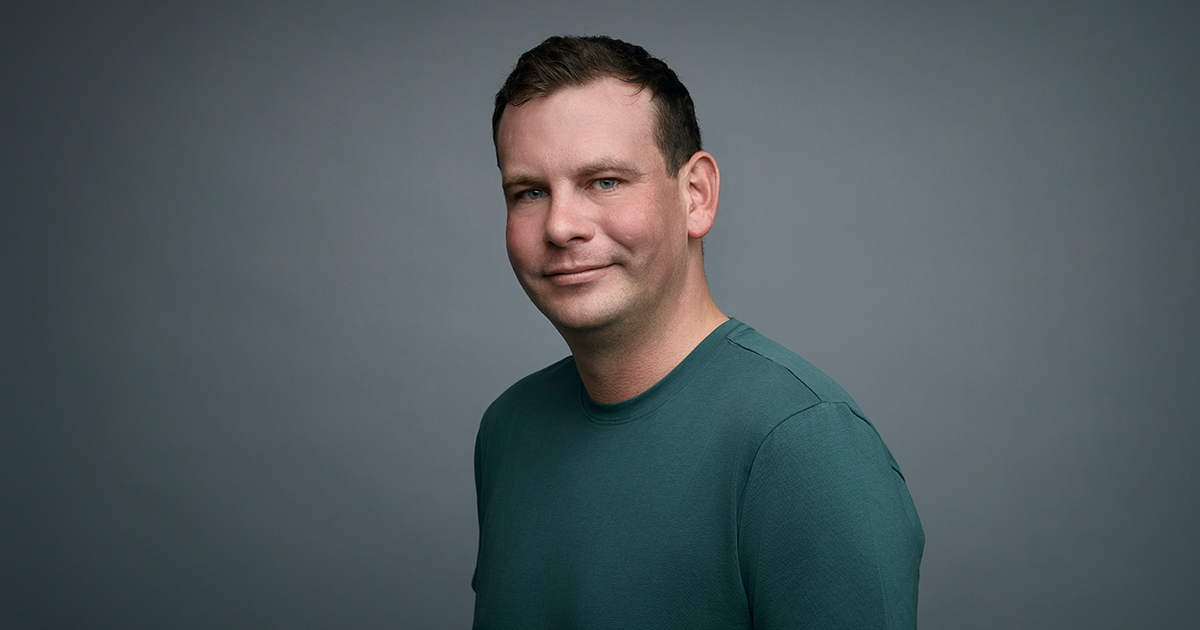
Logan Head Built the Door After Collectors Found the Window
The Whatnot co-founder did not begin with a grand theory of live commerce. He watched collectors bend the internet to their needs, built what they were already asking for, and kept the useful rough edges.
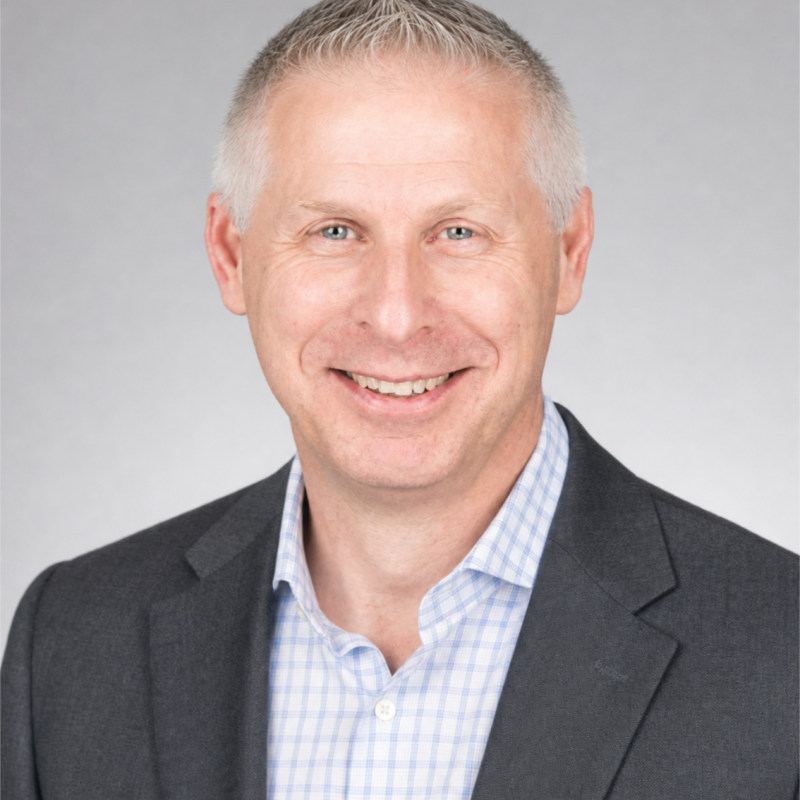
Paul Lewis Has a Rule for Enterprise AI: Make It Useful, Then Make It Replaceable
After three decades across banking, industrial technology, cloud and data, Pythian CTO Paul Lewis has arrived at a blunt test for AI: does it change the work, and can the architecture survive what comes next?
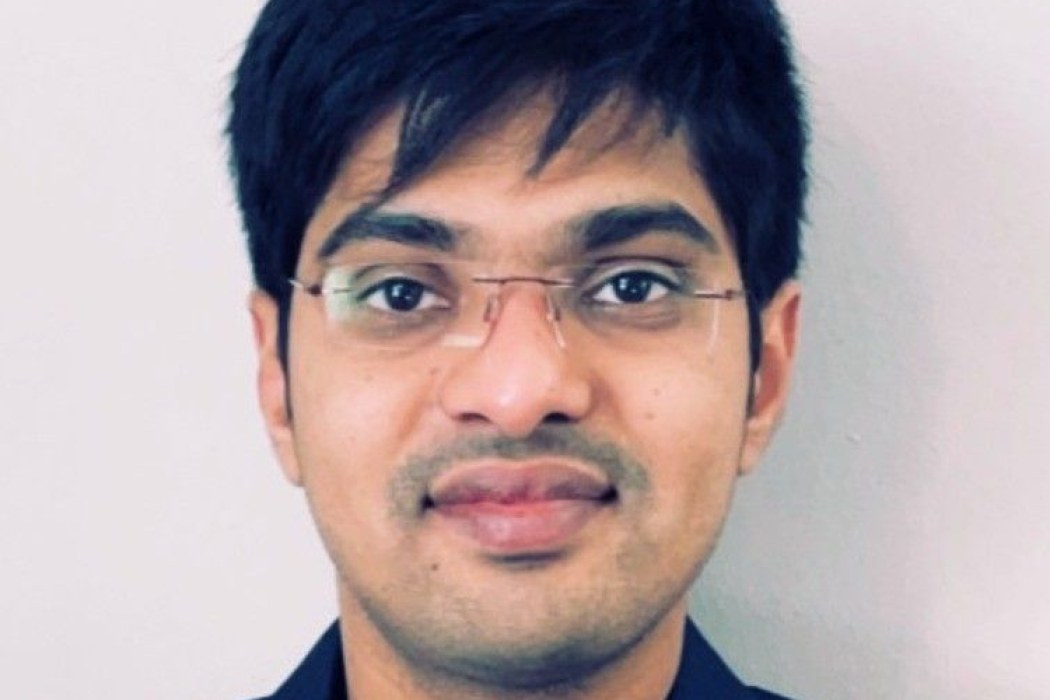
Mahesh Devalla
Mahesh Devalla is the Chief Technology Officer of Players Health, a Minneapolis-based sports insurance and risk-management company that protects youth athletes and sports organizations. He leads product and engineering strategy and applies human-centered, ethical AI to athlete safety and real-time decision support. Before Players Health, where he rose from Director of Engineering, he architected enterprise-scale AI platforms across finance, utilities and software at firms including Citi, Bank of America, American Water, Hexagon and App Orchid. He holds a master's in computer science and artificial intelligence from Dartmouth College, authored the book 'The AI Dilemma: Why Businesses Still Fail to Embrace AI,' and has been named a USA 40 Under 40 honoree and ranked among global top AI leaders.
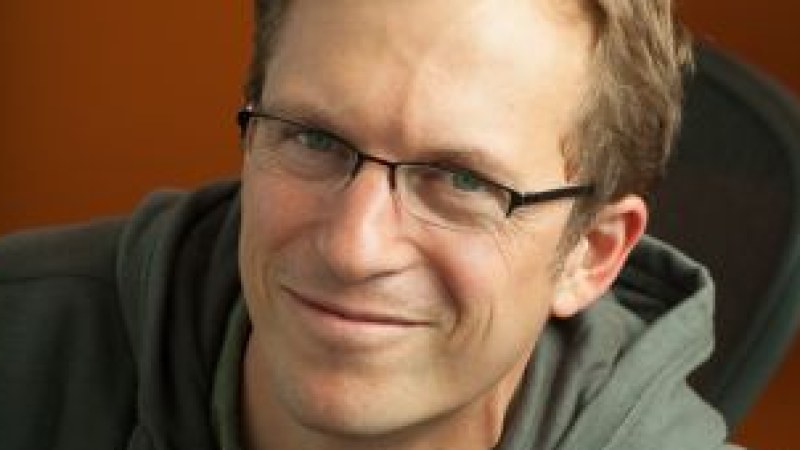
David Block-Schachter
David Block-Schachter is the Chief Business Officer at Transit, the multimodal trip-planning and fare-payment app used in cities across North America and Europe. A car-free MIT transportation PhD who started his career designing websites for American Express and IBM, he co-founded the microtransit startup Bridj, ran customer technology as CTO of the MBTA, and now helps transit agencies turn rider data into faster buses and simpler fares. His through-line: use technology and data to make public transit work better for everyone.