biosensors
(12)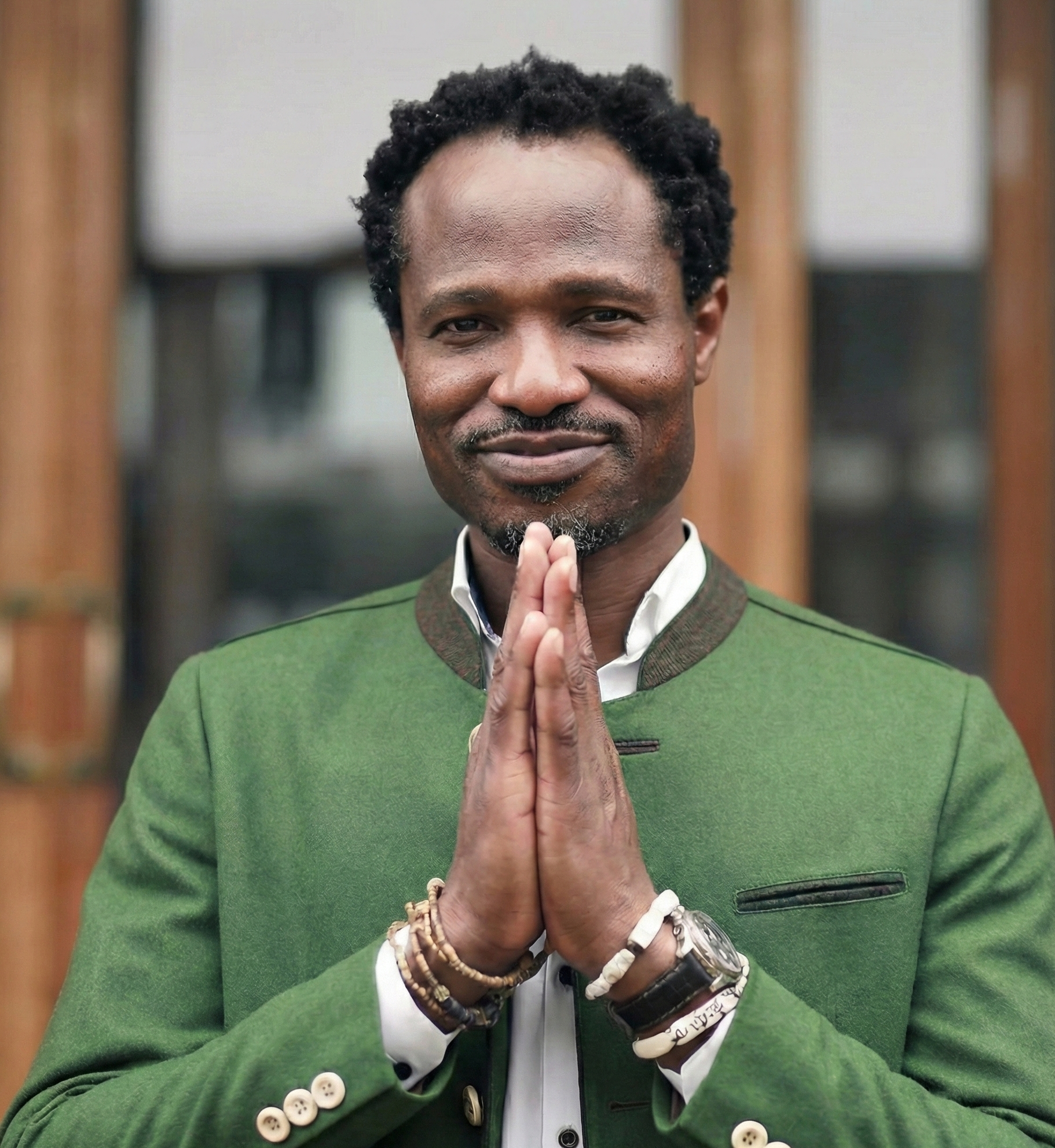
Osh Agabi Is Teaching Machines to Smell the Invisible
A professor told Osh Agabi to find a field where little had been measured. He chose neurons - then built a company around giving machines a biological sense of smell.
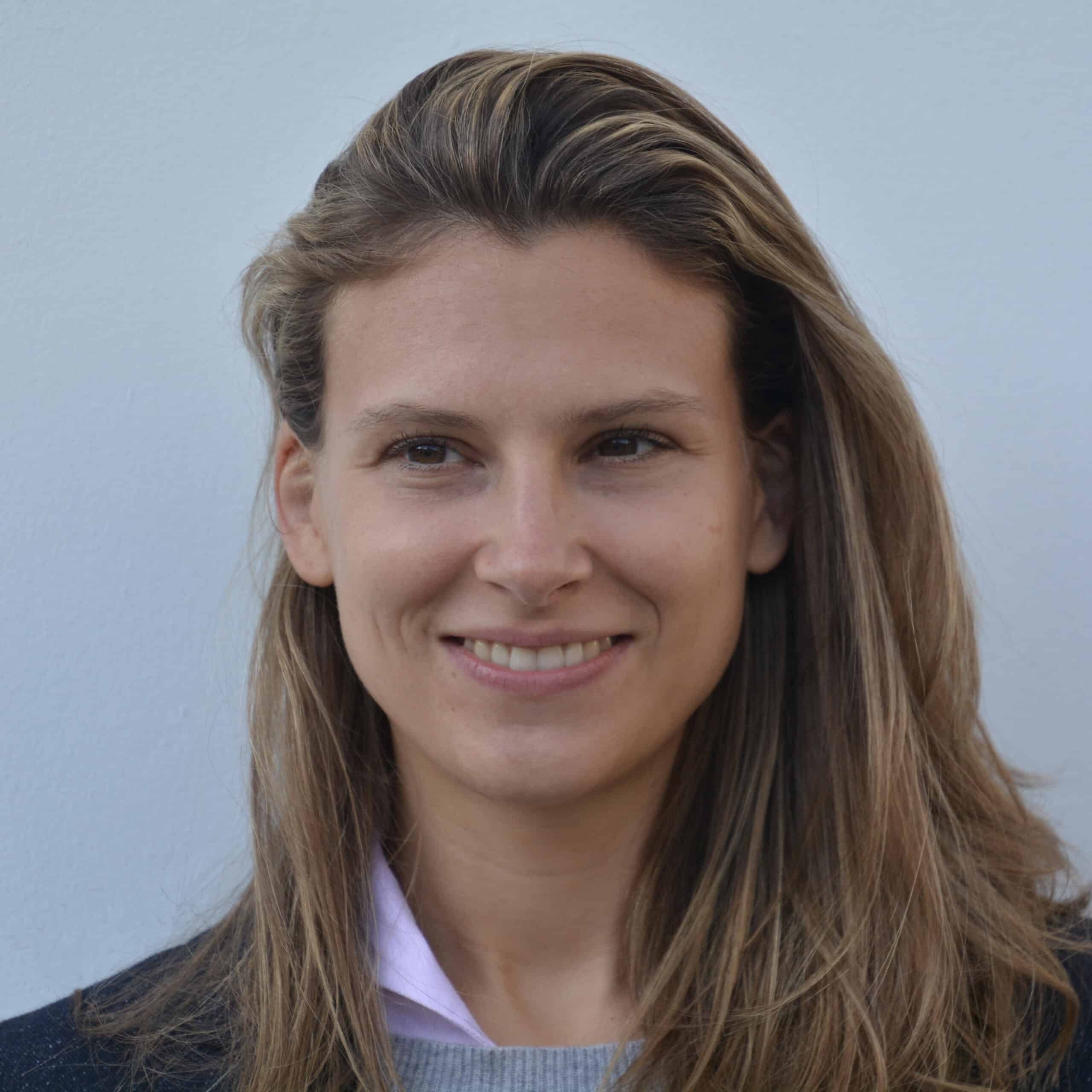
Anna Luisa Schaffgotsch Bet on the Signal Between the Snapshots
A forgotten key card sent Anna Luisa Schaffgotsch looking beneath the surface. Seven years, two countries and one formidable pivot later, she is building Impli around a simple idea: the most useful signal may be the one hiding between measurements.

Tom Cirrito Is Giving Away the Blueprint - and Betting on the Factory
The Varro CEO spent years learning how biotech protects its secrets. Now he is testing a stranger proposition: publish the playbook, manufacture the difficult part, and let a wider community invent the uses.

Phenotap’s $3 Million Pivot: The Ketone Wearable Became an Enzyme Business
The New York startup began with a wearable that promised hourly ketone trends. Its sharper bet is now one layer deeper: sell device makers the missing biochemical engine.

Debra Weidanz
Debra Wawro Weidanz is the co-founder, CEO and chief scientist of Resonant Sensors Incorporated, an Arlington, Texas biotech that builds label-free, high-throughput biosensor systems used to speed antibody discovery, drug screening and diagnostics. An electrical engineer turned inventor, she developed the company's guided-mode resonance sensor technology out of research at the University of Texas at Arlington, and later co-founded the cancer-immunotherapy startup Abexxa Biologics, which Boehringer Ingelheim acquired in 2021. With her husband Jon, she has become a notable UTA benefactor, funding a named tissue-engineering lab and research fellowships.

SpotitEarly
SpotitEarly is a healthtech company building an accessible, non-invasive early cancer detection service that combines trained scent-detection beagles with an AI platform to analyze volatile organic compounds (VOCs) in a person's breath. Users collect a breath sample at home and mail it to the company's lab, where beagles screen for cancer-linked odors and SpotitEarly's proprietary LUCID bio-AI platform digitizes and interprets the dogs' behavioral signals. A double-blind clinical study of 1,400 people, published in Nature's Scientific Reports, reported 94% sensitivity and specificity across the four most common cancers - breast, colorectal, lung, and prostate. Founded in Israel and now launching in the U.S., the company aims to make routine multi-cancer pre-screening affordable, at roughly $250 for a single test.
Shlomi Madar
Shlomi Madar is the CEO of SpotitEarly, an Englewood, New Jersey biotech developing a non-invasive, breath-based multi-cancer screening test that pairs trained scent-detection dogs with a deep-learning platform. He holds a PhD in cancer research from the Weizmann Institute of Science and has spent more than fifteen years in life sciences and healthcare, previously serving as VP of Strategic Alliances at OncoHost and working on the Weizmann Institute's innovation arm. In May 2025 SpotitEarly closed a $20.3M Series A behind clinical results the company reports at roughly 94% sensitivity and specificity across four cancer types.

Sibel Health
Sibel Health is a Chicago-based digital health company spun out of Northwestern University that builds clinical-grade, fully wireless wearable sensors paired with AI analytics and a cloud platform. Its flagship ANNE One system continuously tracks vital signs - heart rate, respiratory rate, temperature, SpO2, pulse and more - for patients from neonates to adults, in hospitals, at home, and in low-resource settings around the world. The mission is to deliver 'Better Health Data for All.'
William Hendren
William G. Hendren, MD, MBA is the co-founder and CEO of QURA, Inc., a Duxbury, Massachusetts medical technology company building the QSmart platform - an implantable biosensor roughly the size of a grain of rice that continuously measures and wirelessly transmits medical-grade blood pressure data in real time. A surgeon trained at Harvard, Mass General, Emory and the Cleveland Clinic, with an MBA and strategic healthcare consulting experience at PwC across the US, Middle East, China and the UK, Hendren is taking aim at hypertension, which he calls the single leading healthcare threat in the world.
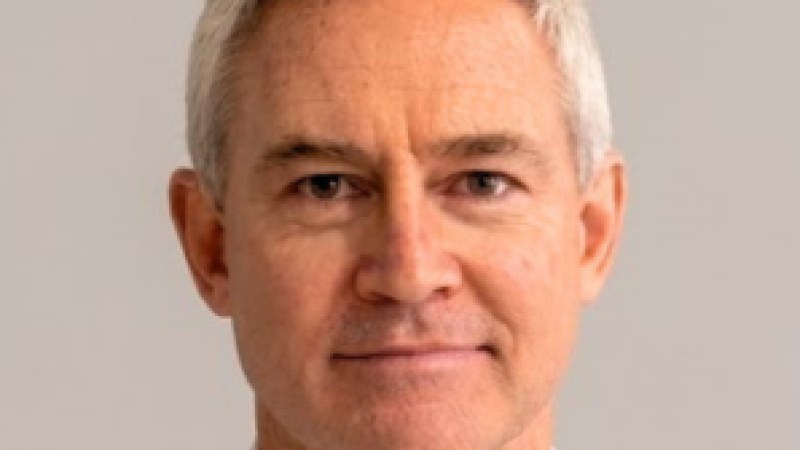
Dave Icke
Dave Icke is the CEO of Medisafe, the medication engagement platform that helps more than ten million patients stay on their treatments. A chemical engineer turned digital-health operator, he has spent two decades turning hardware and software into tools that keep people healthier: founding CEO of wearable biosensor company mc10, launcher of Becton Dickinson's digital health business, VP of Digital Health Product at Humana, and executive chair of mental-health AI company ieso. In 2025 he took the reins at Medisafe from founder Omri Shor to scale medication engagement across the global pharmaceutical ecosystem.
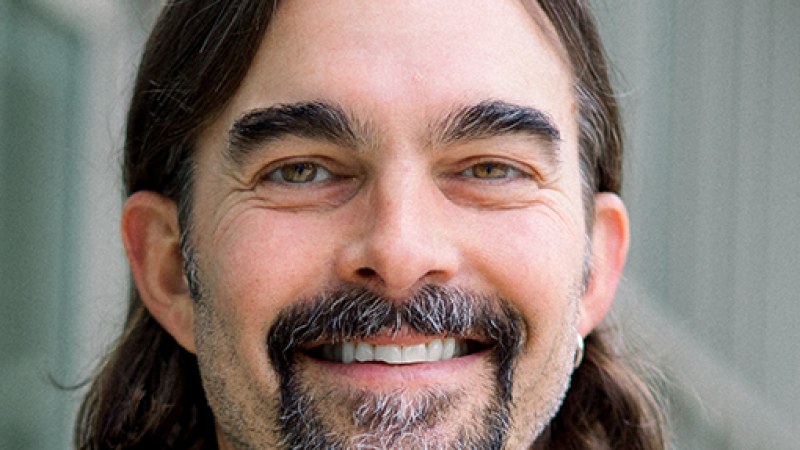
Michael McShane
Michael (Mike) J. McShane is a biomedical engineer who has spent close to 25 years trying to put readable chemistry under the skin. As James J. Cain Professor II and head of the Department of Biomedical Engineering at Texas A&M University, he builds injectable, biomaterials-based optical biosensors - often called 'smart tattoos' - that glow in response to glucose, oxygen and other body chemistries so doctors can monitor patients continuously and minimally invasively. A Fellow of IEEE, SPIE, BMES and AIMBE, past president of the IEEE Sensors Council and founding chair of the IEEE BioSensors conference, he won the 2012 NIH Director's Transformative Research Award and the 2023 IEEE Sensors Council Technical Achievement Award.
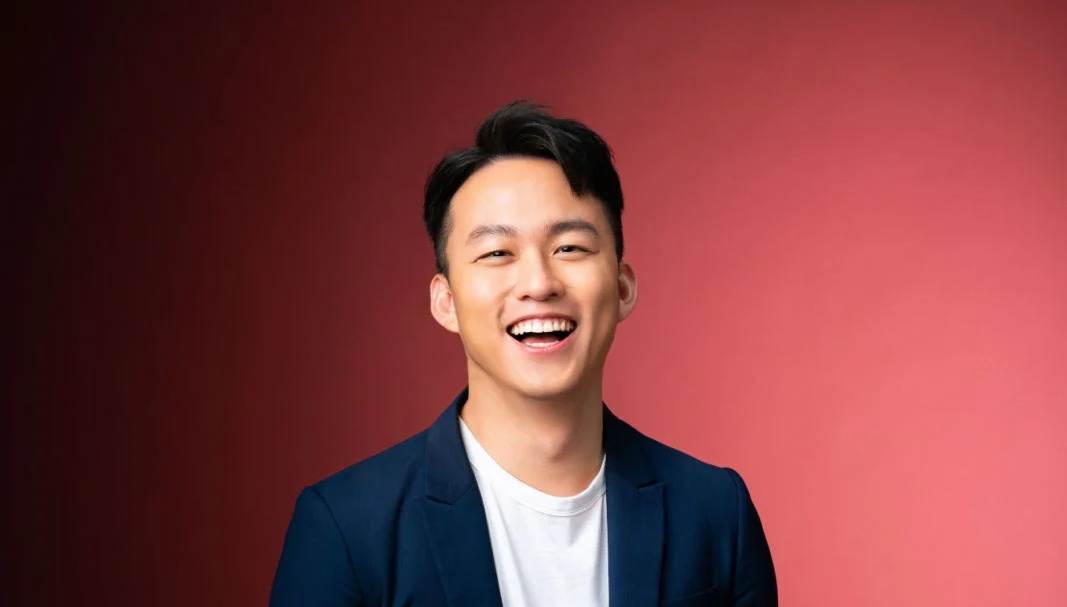
Ray Chiu
Po-Jui 'Ray' Chiu is CEO and Co-Founder of Calyx (formerly BioInspira), a Berkeley-based agtech company that brings AI vision and bio-engineered phage sensors to poultry and livestock farming. A Forbes 30 Under 30 Energy honoree (2019), Chiu built his company out of a UC Berkeley capstone project and a personal brush with disaster - the 2014 Kaohsiung gas explosions that threatened his relatives' neighborhood in Taiwan. Today, Calyx's AI Eye camera system predicts chicken weights at 98.4% accuracy across 17+ million birds, while its Y-Series sensors monitor ammonia, CO2, temperature, and humidity in real time.