bioplastics
(6)
Alex Blum Took a Sales Check to Bangladesh. He Came Home With a Plastics Company.
A technology salesman went to Bangladesh hoping to help. The trip led him from a refugee-camp documentary to a stubborn, practical bet: make plant-filled plastics work on the machines factories already own.

Dillon Baxter Bet on a Fork That Could Disappear
A college golfer sold straws door to door, quit banking after one month, lost an $8 million commitment, and kept building. Now PlantSwitch is trying to make the useful life of plastic match the life of the thing it serves.
PlantSwitch Bet $28 Million That Nobody Should Have to Eat With a Sad Paper Fork
The founders began by selling greener restaurant supplies, nearly quit when restaurants closed, and then moved upstream into resin and factories. A $17 million round and a World Cup-sized order have now tested whether compostable packaging can finally behave like the plastic it replaces.
How a Weed From Bangladesh Became a Plastic That Refuses to Cost More
Most green materials ask you to pay more and change everything. Applied Bioplastics bet the opposite - that plant-based plastic only wins if it drops into the machines factories already own, at a price they already pay.

Mango Materials
Mango Materials is a biomanufacturing company that converts waste methane - the same gas that vents from landfills and wastewater plants - into biodegradable polyhydroxyalkanoate (PHA) pellets sold under the YOPP brand. The pellets replace conventional plastics in fibers, films, rigid goods, and 3D-printing feedstock, and they fully biodegrade in soil, freshwater, and marine environments.
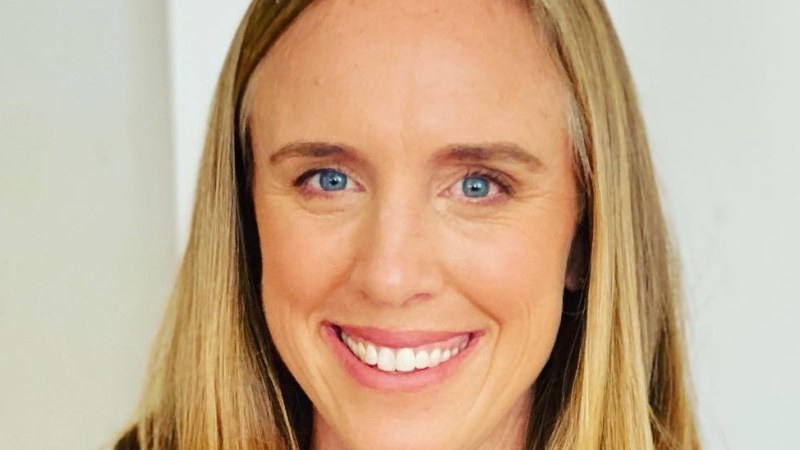
Molly Morse
Dr. Molly Morse is the CEO and co-founder of Mango Materials, a Vacaville, California-based startup that turns waste methane into biodegradable PHA biopolymers. Founding the company in 2010 on the back of her Stanford PhD research, Morse has spent over a decade building a circular bioeconomy solution that converts a potent greenhouse gas into a commercially viable plastic replacement — branded as YOPP pellets. She has won the Postcode Lottery Green Challenge (2012), the C3E Entrepreneurship Award (2018), and was selected as an Unreasonable Fellow in 2022.