autonomy
(8)
Matthew Gregory Learned to Read the Wind. Now He Builds for Machines in Motion
Before Matthew Gregory built security tools and AI-agent infrastructure, he navigated racing yachts by turning noisy signals into decisions. His career keeps returning to the same problem: helping builders move through complicated systems without losing trust.
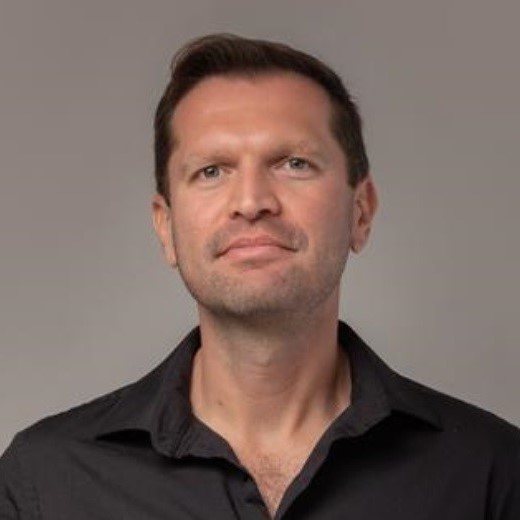
Alex Fink
He watched his parents tune into Voice of America at 4 a.m. Decades later he is building the software brain for drone swarms - and an app to clean up the news. The through-line is simpler than it looks.
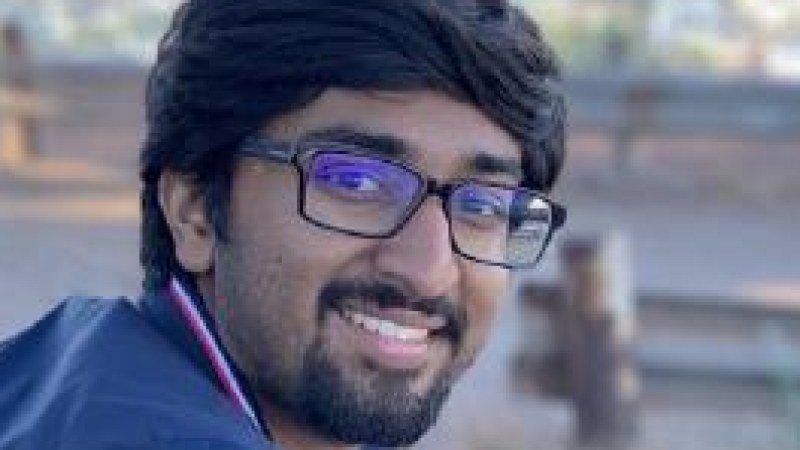
Adarsh Kulkarni
Adarsh Kulkarni is the founder and CEO of Foundry Robotics, a San Francisco startup building what it calls the 'Everything Factory' - an AI-and-robotics-first, assembly-focused, dual-use contract manufacturer aimed at rebuilding American manufacturing capacity. A Penn GRASP Lab robotics engineer, he cut his teeth deploying legged robots underground for the DARPA Subterranean Challenge, was an early autonomy engineer at Ghost Robotics (acquired for $400M), built ML infrastructure at self-driving truck company TuSimple, and rose to Head of Robotics at Scale AI before striking out on his own. Foundry uses Vision-Language-Action foundation models to let a single factory assemble many different products without traditional retooling, and raised a seed round in early 2026 backed by Garuda Ventures and Khosla Ventures.
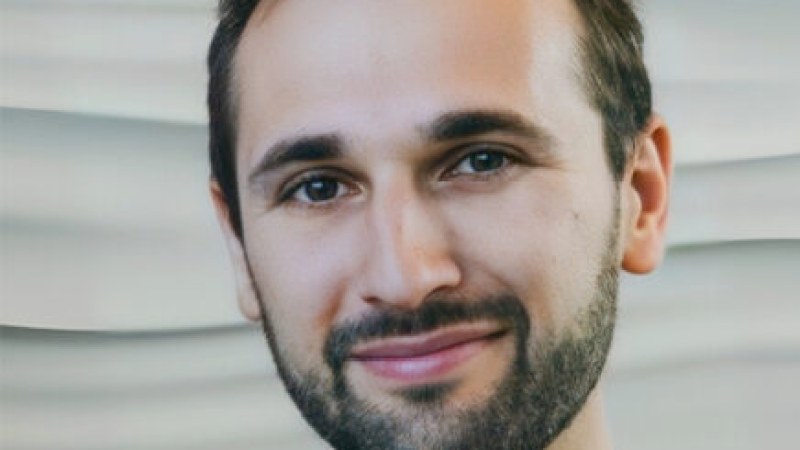
Benji Barash
Benji Barash is the co-founder and CEO of Roboto AI, a Seattle startup building an analytics platform for robotics and physical AI. A former engineering leader on Amazon's Prime Air drone delivery program, he spent his Amazon days writing throwaway scripts to wrangle sensor logs - and turned that frustration into a company. After more than six years at Amazon and a year as entrepreneur-in-residence at the Allen Institute for AI, he and CTO Yves Albers-Schoenberg launched Roboto out of stealth in 2023 with a $4.8M seed round, on the conviction that robotics doesn't have an algorithm problem, it has a data problem.
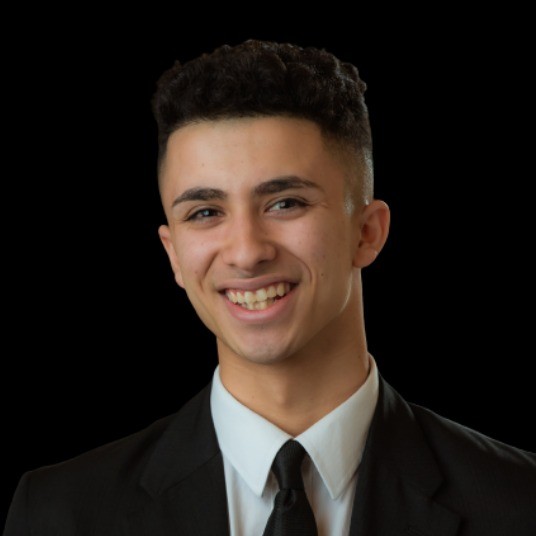
Jacob Rodriguez
Jacob Rodriguez is the founder and CEO of Oligo Space, a Hawthorne, California aerospace startup automating the design and manufacturing of large multi-orbit satellites. A first-generation college student who won a full scholarship to MIT and interned at NASA's Jet Propulsion Laboratory, he left school early as a 2024 Thiel Fellow to build a manufacturing-in-the-loop foundation model for spacecraft production. Oligo plans to fly its first satellite, Chimera-1, on SpaceX's Transporter-15 mission in 2026.
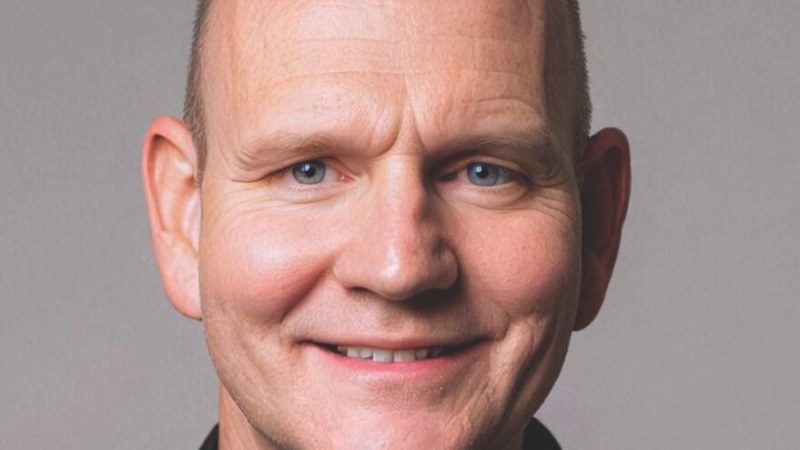
Mike Horton
Mike Horton is an American engineer and serial deep-tech founder who turns physics into products. He co-founded Crossbow Technology in 1995 out of UC Berkeley, commercialized MEMS motion sensors, and sold the company for about $50 million. He later built GEODNET, a blockchain-incentivized network of roughly 21,000 ground stations that has become the world's largest decentralized GNSS reference network, and now leads HYFIX Spatial Intelligence, a Santa Clara startup that raised a $15M seed led by Craft Ventures to build American-made positioning-and-autonomy chips for drones and robots.
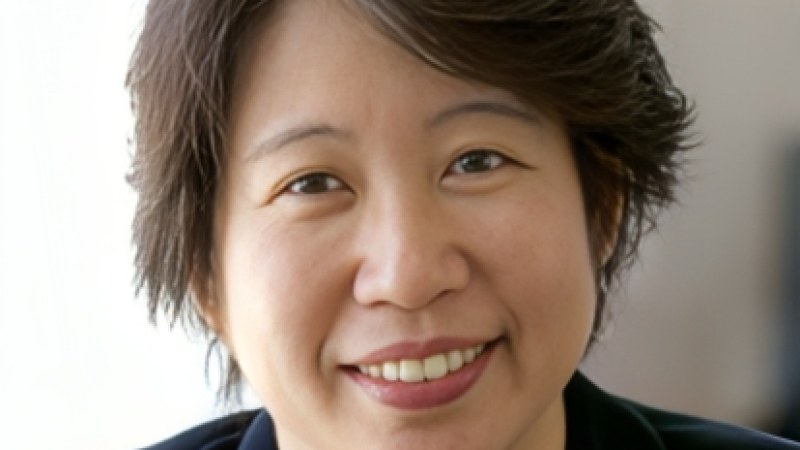
Tessa Lau
Tessa Lau is the founder and CEO of Dusty Robotics, a Mountain View-based company that builds autonomous mobile robots for the construction industry. Her FieldPrinter robot uses building information model (BIM) data to print layout lines directly onto jobsite floors with 1/16-inch accuracy, replacing manual chalk-line methods that have dominated construction for centuries. Lau holds a PhD in machine learning from the University of Washington and spent 11 years at IBM Research before pivoting to robotics at Willow Garage and co-founding hotel-delivery-robot company Savioke. She launched Dusty Robotics in 2018, has raised $69.5 million including a $45 million Series B, and has helped contractors print over 100 million square feet of layout across thousands of buildings.
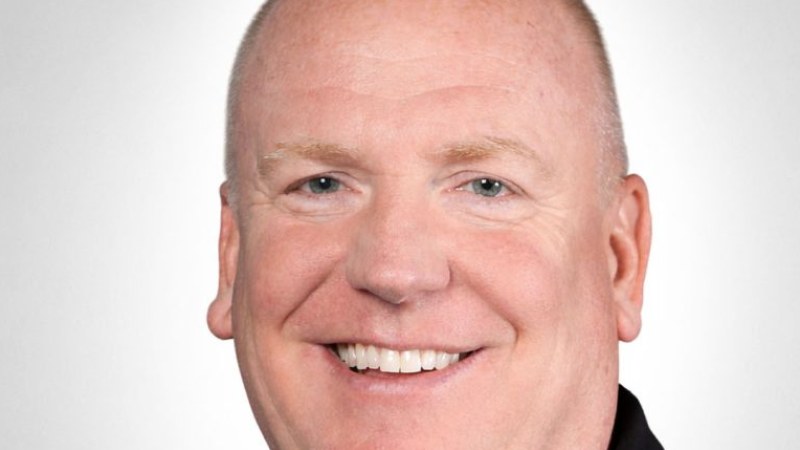
Ross Hangebrauck
Ross Hangebrauck is a General Partner at BVVC (Bravo Victor Venture Capital), a seed-stage fund backing mission-first founders building technologies at the intersection of national security and commercial innovation. A former U.S. Navy SEAL turned entrepreneur, he co-founded Hover Inc. in 2011 — a platform that turns smartphone photos into 3D home models — raising $142M and reaching 12 million homes scanned. After six years as a startup CEO and a stint managing international VC operations at Almaz Capital, he joined BVVC to back companies operating across defense, autonomy, robotics, and advanced manufacturing. He brings a rare operator-to-investor arc: from deploying in operational theaters worldwide to architecting portfolio companies that he says must deliver 'integration, interoperability, and scalability.'