autonomous-robots
(6)
The Robot That Won the Job Before It Existed
Maven Robotics talked its way into a factory with little more than a drawing, won the work, and built the machine around the job. Now comes the harder experiment: turning eight industrious robots into an industrial system that can be made by the hundreds.
Realtime Robotics, Inc.
Realtime Robotics is a Boston-based deep-tech company that gives industrial and collaborative robots the ability to plan collision-free motion in real time. Spun out of DARPA-funded research at Duke University in 2016, its RapidPlan software and RapidSense perception system let robots generate and adjust their own paths in microseconds, cutting the time and cost of programming, deploying, and coordinating multiple robots in a shared workspace. Its technology is used by manufacturers including the BMW Group, and the company is backed by strategic investors such as Mitsubishi Electric, HAHN Automation, and SAIC Capital.

Neuralzome Cybernetics
Neuralzome Cybernetics is a Bengaluru-based deeptech startup building teachable, no-code AI agents that let ordinary off-road vehicles drive themselves through messy, GPS-denied places like orchards, farms and job sites. Its flagship autonomy stack, NeuralPilot, fuses vision, SLAM and GPS with a layered safety system and learns from human demonstration, while its RedPill simulator trains robots on photorealistic digital twins before they ever touch dirt. Founded in 2023 by Mohan Sivam and Aditya Shriwastava, the company sells autonomy as a service to labor-intensive industries and raised $2.4M in pre-seed funding in August 2025 to expand into North America and Europe.
Charge Robotics
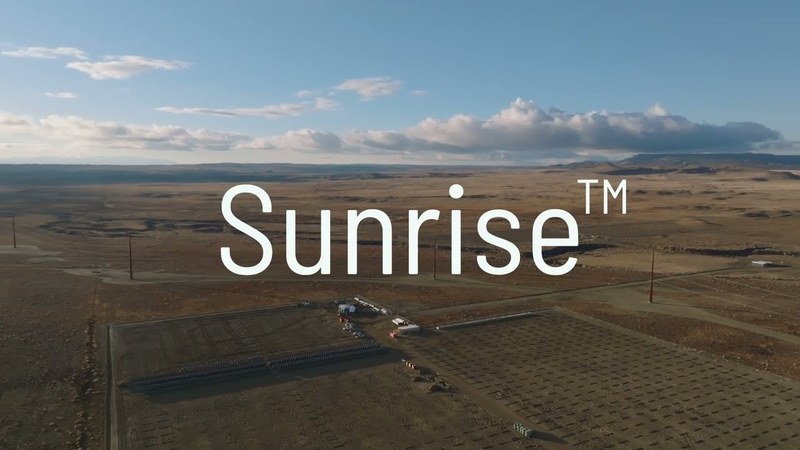
Charge Robotics builds robots that automate the most labor-intensive parts of building solar farms. Its flagship product, Sunrise, is a portable assembly line that ships to a project site, robotically snaps together solar 'bays', quality-checks them with machine vision, and uses an autonomous vehicle to place them in the field. Founded in 2021 by MIT engineers Banks Hunter and Max Justicz, the Y Combinator-backed company aims to be the 'Henry Ford moment for solar', removing the labor bottleneck that limits how fast the grid can go renewable.
Terranova
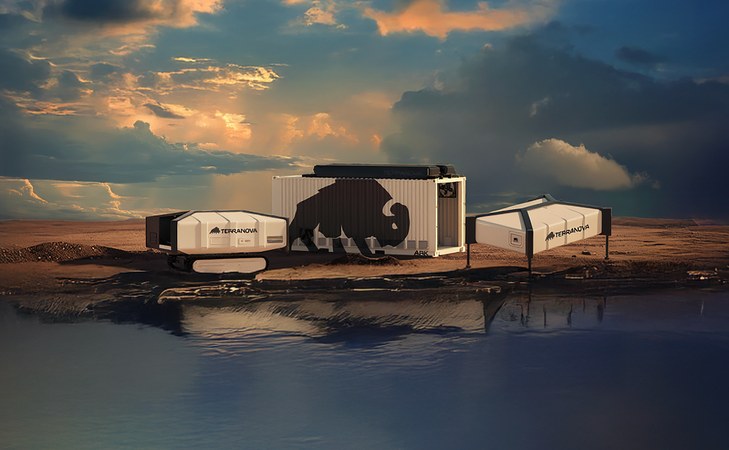
Terranova is a Berkeley-born climate-tech and robotics startup building car-sized autonomous robots that inject a wood-waste slurry deep underground to lift flood-prone land out of harm's way - no seawalls, no surface disruption. A single 'mothership' coordinating three injection rovers can raise about one acre by one foot per day, while the buried biomass becomes a durable carbon sink that can be sold as carbon credits. Founded by UC Berkeley mechanical engineer Laurence Allen to save his hometown of San Rafael, California, the company raised a $7M seed round in November 2025 and plans its first San Rafael pilots in 2026.

Nimble
Nimble is a San Francisco AI-robotics company building general-purpose warehouse robots and an autonomous fulfillment network that picks, packs, and ships e-commerce orders for brands like Puma, Adore Me, and Fresh Clean Threads.