agency-growth
(9)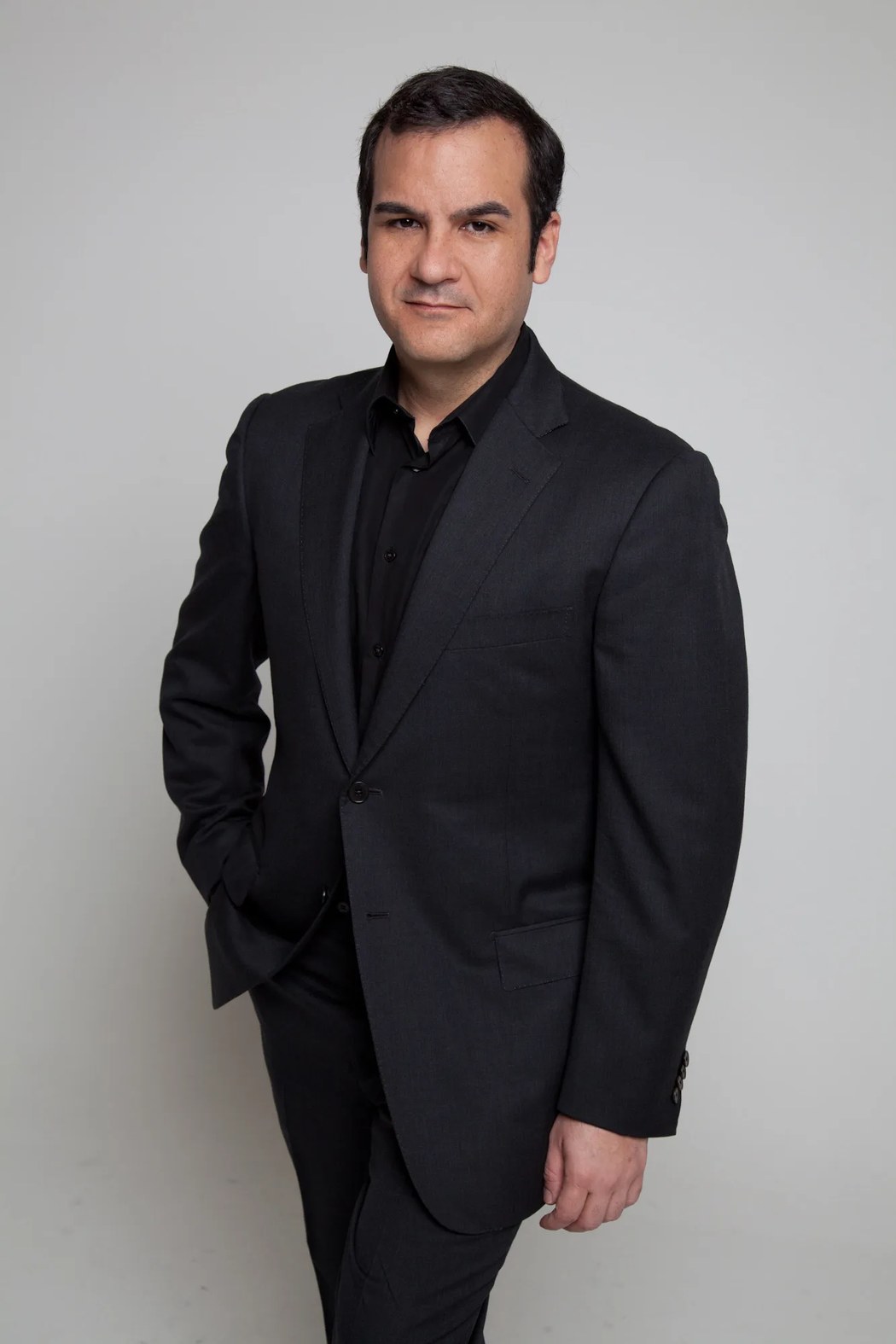
Frank Amoros and the business of making things happen
From global advertising agencies to alpaca slippers in Paris, Frank Amoros has worked on both sides of the pitch. His advisory work brings the same question to a bigger room: how does an idea become a business?

Ben Fox Built a Global Agency by Getting Out of Its Way
He began with a Dell laptop, a phone and what he calls a healthy amount of fear. Fifteen years later, Ben Fox is learning that a founder's hardest job may be making the company less dependent on its founder.

Zihla Arbit Builds Agencies by Saying Yes, Then Asking What Comes Next
The Yes& CEO has spent her career joining creative ambition to operational discipline. Her other arena, competitive dressage, makes the metaphor almost too neat: progress depends on precision, trust and knowing when to give the next cue.

Emily Hite Is Building Trust Without the Costume
After helping triple Banyan Communications' revenue, Emily Hite inherited its first leadership change in 30 years. Her plan is less executive theater, more stewardship - with room for a big laugh and the occasional dog photo.
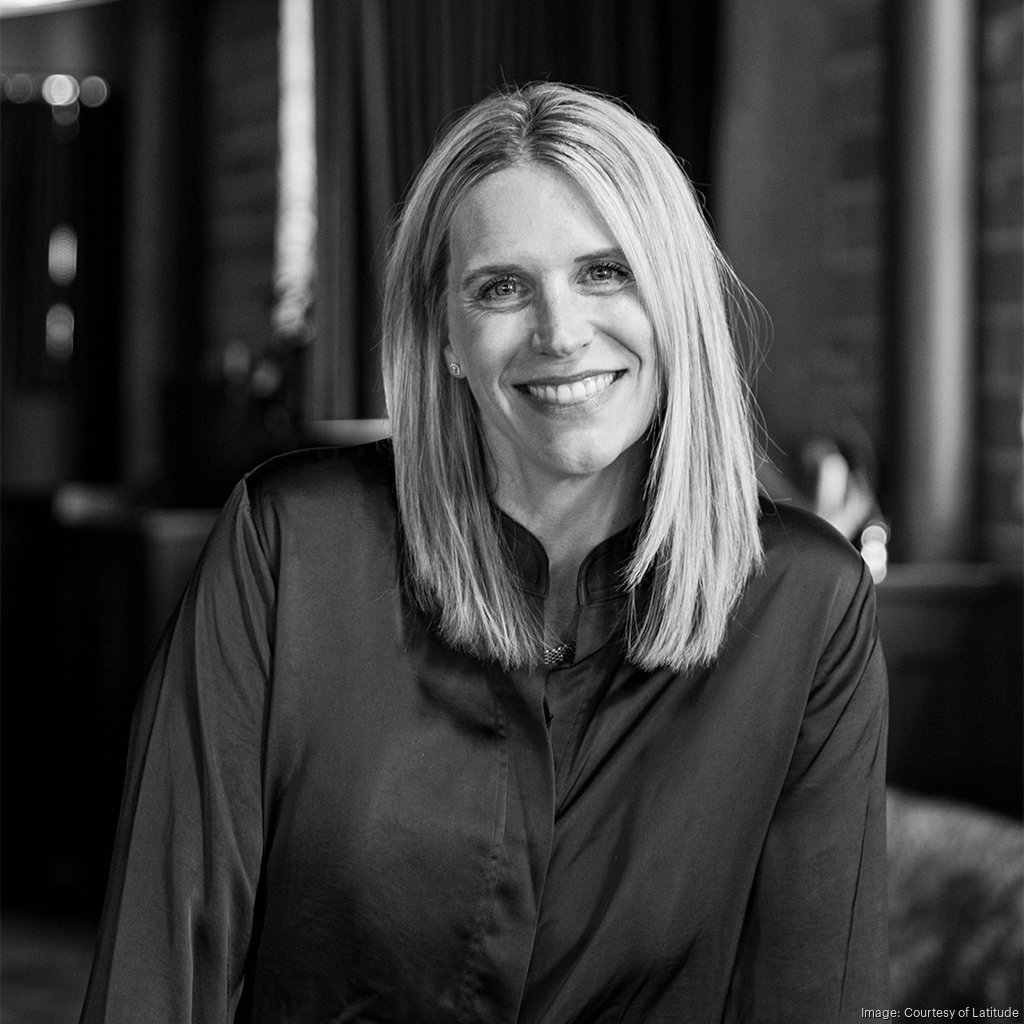
Allison Checco Has One Year to Make Latitude Twice as Big - Without Making It Ordinary
The Minneapolis agency chief is pursuing a rare double act: nearly doubling the team while protecting the independent culture and profit-sharing mission that made Latitude worth leading.

Paul Wilson Is Playing the Long Game in a Business Built on First Impressions
After helping scale search agencies through two acquisitions, the NetReputation CEO is applying an old-fashioned instrument to an AI-shaped problem: trust that compounds.

Eric Damassa Built a Career on Knowing When to Say No
Anomaly’s Global Partner and CMO has spent 15 years making restraint look like a growth strategy. Now he is helping redesign the agency model for an era when hours matter less and intelligence matters more.

Stephen Bonsignore Keeps Asking the Questions Marketing Tries to Skip
After more than 25 years in brand communications, Crispin's chief marketing officer still starts with three plain questions: Why? Who? Where? The discipline is simple; the work never is.
The Insurance Network That Lets 11,000 Agencies Stay Independent
Smart Choice built a national business around a stubborn promise: small insurance agencies should get big-network access without surrendering the keys. Three decades later, its 11,000-plus agency network shows how collective scale can preserve local ownership.