african-startups
(16)
Cabo Verde Digital buys founders time to build
A monthly stipend, a borrowed desk, a route abroad. Cabo Verde Digital treats the making of a startup as a practical problem - and is taking the same approach to digital access across the islands.
iHUB Nairobi: The business of making luck
A foosball table could introduce two founders. Keeping the doors open required a business model. Inside the Nairobi hub that learned to put a price, a partner and a pilot behind a promising idea.

ALX Ventures Charges $5 to Test an Idea Before It Gets Expensive
For $5 a month, aspiring African founders can enter an eight-market training network. The real product is a sequence of tests that makes weak ideas fail cheaply - before prototypes, payroll and pitch decks make them costly.
Knife Capital starts with the exit
Visa, Uber Eats and Ticketmaster have bought businesses backed by Knife Capital. The South African investor is building its next chapter around a $50 million fund and a blunt question: who will want to own this company?
Ubulu Africa and the work before the pitch
A Lagos venture builder is tackling the less glamorous side of African innovation: choosing startups, preparing founders and training the people who help them grow. Its InnoX platform puts that work into software.

Harambeans Is Building a Network That Picks Up the Phone
The African founder alliance pairs small investment checks with relationships built to last. A test of that promise came when two members stopped trusting each other.
CcHUB Is Building the Parts a Startup Cannot Download
The Lagos-born innovation company has spent years assembling the people, capital and institutional connections behind African tech ventures. Its most useful lesson: a promising app still needs somewhere to go.
AfriLabs bets on the people behind the startups
A network of more than 500 innovation hubs is trying to make African entrepreneurship less lonely - and better financed. Its experience shows why the people running the support system need support of their own.
LaStartupStation wants your startup to land a purchase order
In Casablanca, Mehdi Alaoui’s accelerator brings young companies into the orbit of corporate buyers. Its next test: helping Moroccan education startups reach learners who are too often left out.

MountainHub Wants a Hand in Building Your Business
From five-minute pitches in Cameroon to a venture-building partnership with MTN, MountainHub is putting itself inside the startup process. Its bet: founders need help with the work that comes after the idea.

Dom Okiemute Is Selling African Fintech Something Priceless: Less Anxiety
After a decade inside banking and fintech, the Miden CEO has reduced his product philosophy to one Nigerian business truth: reliable money movement is peace of mind.

Alain Nteff Built by Following the Signal, Then Learning to Read the Noise
A student project became GiftedMom, a palace invitation became a lesson in scale, and Y Combinator turned two years of fundraising into three concentrated months. Alain Nteff's record is a study in momentum - how to create it, and what it asks of a founder afterward.

The Night the Meter Ran Dry - and a Payments Company Switched On
Ojima Ufaruna came home late, found his electricity units exhausted and discovered that the payment office had already closed. The inconvenience became BuyPower - and a lesson in building fintech from the stubborn details of everyday life.
Sidney Rema
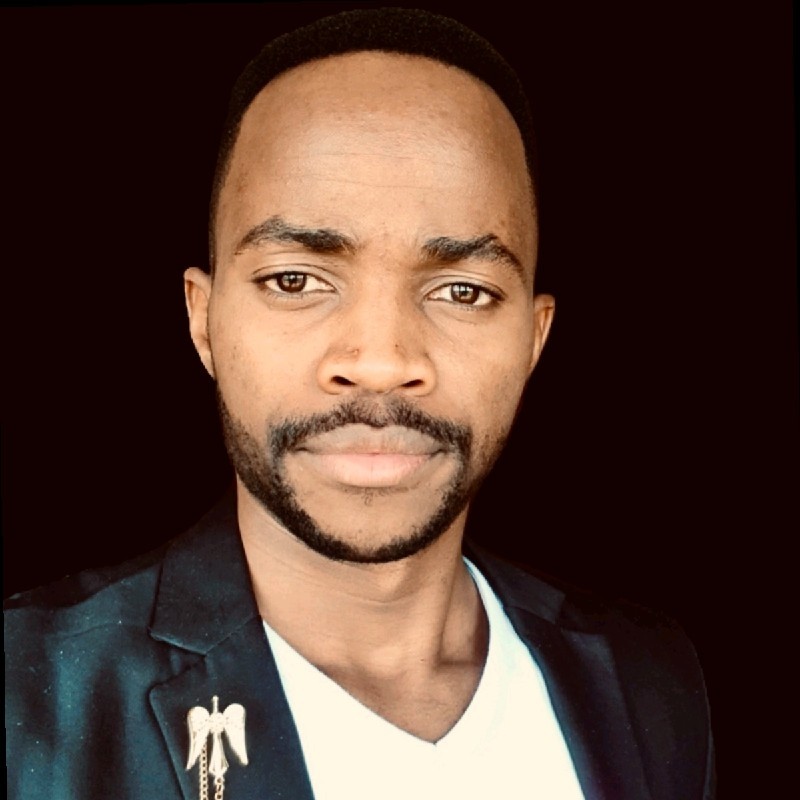
Sidney Rema is the co-founder and CEO of Sanifu (YC S22), a Nairobi-based startup that uses AI to pull sales orders out of emails, WhatsApp messages, PDFs and even handwritten notes and drops them straight into ERP systems. A University of Nairobi medical student who kept building companies instead of finishing his degree, Rema spent years in small-business banking and payments before co-founding Sanifu with Phelix Juma and Bernard Momanyi. The company grew out of Patika, a marketplace the team started as a food-ordering app called MealTime, and now works with African manufacturers and distributors to cut order processing from minutes to seconds.
Stephen Igwue
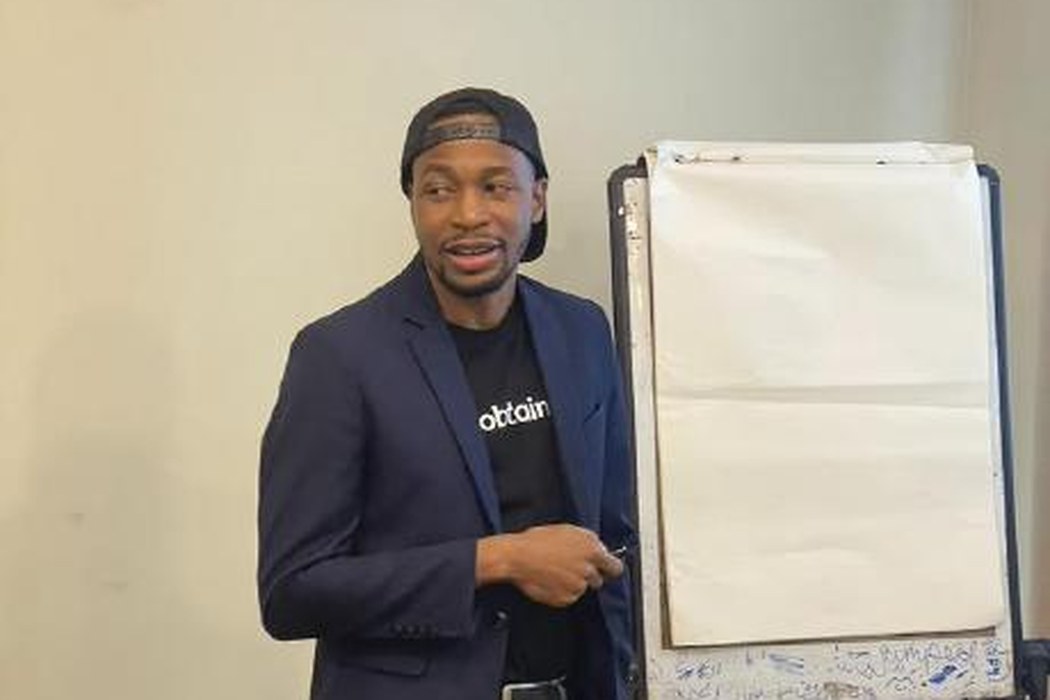
Stephen Igwue is a Nigerian software engineer and co-founder of Suplias (YC S21), a Lagos-based B2B fintech that lets FMCG distributors and retailers buy inventory on credit through its Obtainly app. He leads the company as Chief Executive Officer, having earlier driven its technology as CTO, and describes his work in the language of Arthur C. Clarke: building software good enough to look like magic.
Oluwasoga Oni
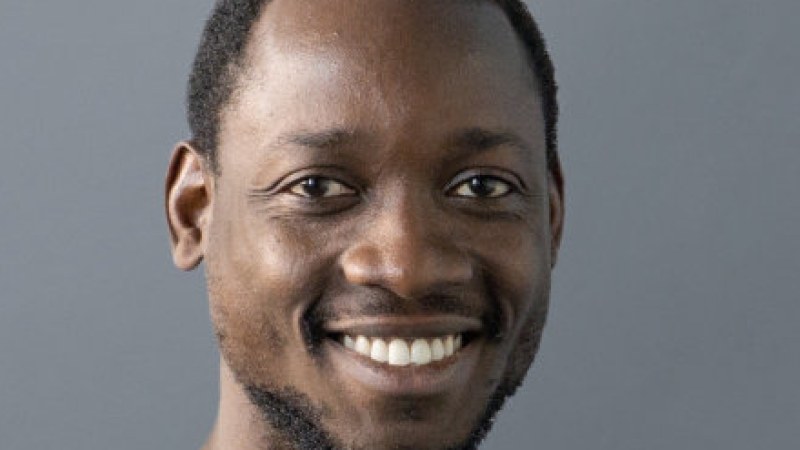
Oluwasoga Oni is the CEO and co-founder of MDaaS Global, the Nigerian healthtech company behind BeaconHealth Diagnostics, one of the country's fastest-growing diagnostic clinic networks. A software engineer turned MIT systems-engineering graduate, Oni grew up watching his father run a hospital in small-town Ondo State without the equipment he needed. He turned that memory into a company that started by importing refurbished medical machines and pivoted into building its own diagnostic centers, performing tens of thousands of tests and expanding across Lagos and underserved Nigerian cities. In 2026 the MIT Africa Business Club named him the recipient of its inaugural Alumni Impact Award.