Meetings have a peculiar aftertaste. Everyone closes the tab, two people feel certain they volunteered for nothing, and one unfortunate soul inherits the brief, the recap, the deck, and a diplomatic email that begins “Great speaking today.” Supernormal was built for the notes. Its 2026 remake is after the whole hangover.
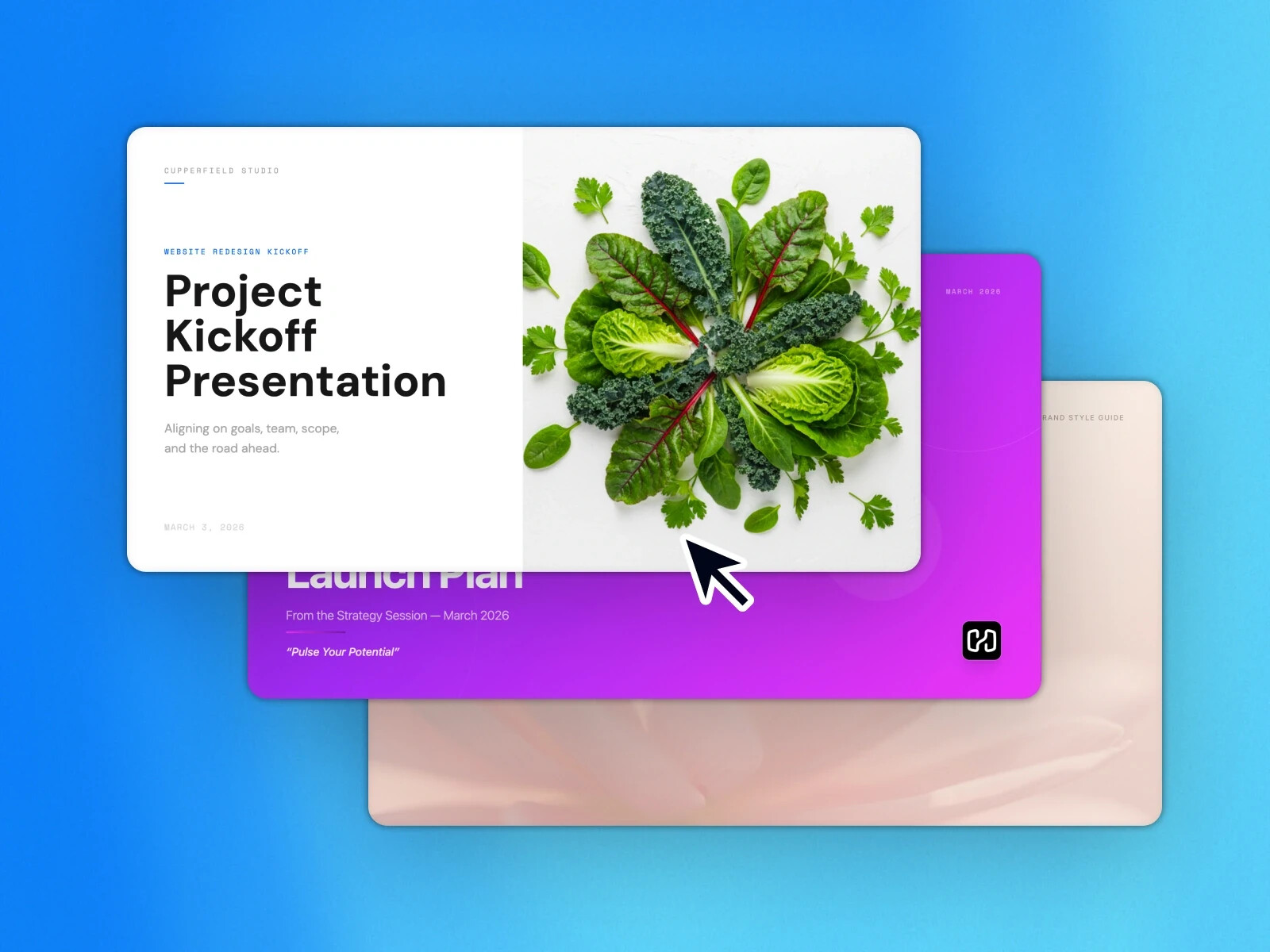
This is why the product now makes the most sense for agencies, consultants, customer teams, and project leads whose calls create documents. Supernormal records on Mac or Windows without sending a bot into the room. It transcribes the conversation, organizes the useful bits, and lets an AI agent turn that context into slides, proposals, spreadsheets, campaign images, creative briefs, research, or follow-ups. If your meeting ends with “someone should make that,” you are standing in its target market.
People who want only a searchable transcript have many choices, often with deeper recording libraries or mature CRM plumbing. The Supernormal pitch is more specific: the transcript is raw material. What matters is whether the material can become a credible first draft before everyone forgets the decision that produced it.
Who should put it on the company card?
Start with client-service teams that repeat the same conversion every week: discovery call to proposal, kickoff to brief, performance review to report, brainstorm to pitch deck. Those workflows have enough structure for templates and shortcuts to help, but enough client context that a generic chatbot starts every job half-blind. Supernormal keeps meetings in projects, where an agent can refer across related conversations instead of treating Thursday’s call like a stranger.
It also fits people who dislike recording bots as social furniture. A visible “Notetaker” participant can change the mood of an interview, therapy-adjacent coaching call, or delicate client conversation. Supernormal’s desktop capture stays off the guest list. That does not remove the obligation to get consent. It simply removes the little robot tile staring back at everyone.
Solo users can learn the product on the free plan. Teams should run a real pilot against their messiest audio, accents, technical vocabulary, and security requirements. A meeting system succeeds in the odd corners, not in the immaculate demo where every speaker takes turns.
The notetaker that grew hands
Colin Treseler and Fabian Perez founded Supernormal in 2020 after a useful little embarrassment: two weeks of discussions about what to build had produced almost no notes. Treseler had worked in product at Facebook and Klarna; Perez had led design at GitHub. Their first answer used OpenAI’s language models to summarize calls into familiar shapes such as customer discovery, interviews, and presentations.
The company raised $10 million in January 2023 in a round led by Balderton Capital, bringing reported funding to about $12.9 million. The original notetaker spread widely, but its own success exposed a second problem. Teams could remember every call and still spend the afternoon making what the call demanded.
Supernormal initially explored that second problem in a separate app called Radiant. In January 2026, Radiant took the Supernormal name. Two months later, Supernormal 2.0 came out of beta. The result is a three-part machine: local desktop capture, a project workspace for accumulated context, and agents that produce editable artifacts.
What it actually does well
Quiet capture
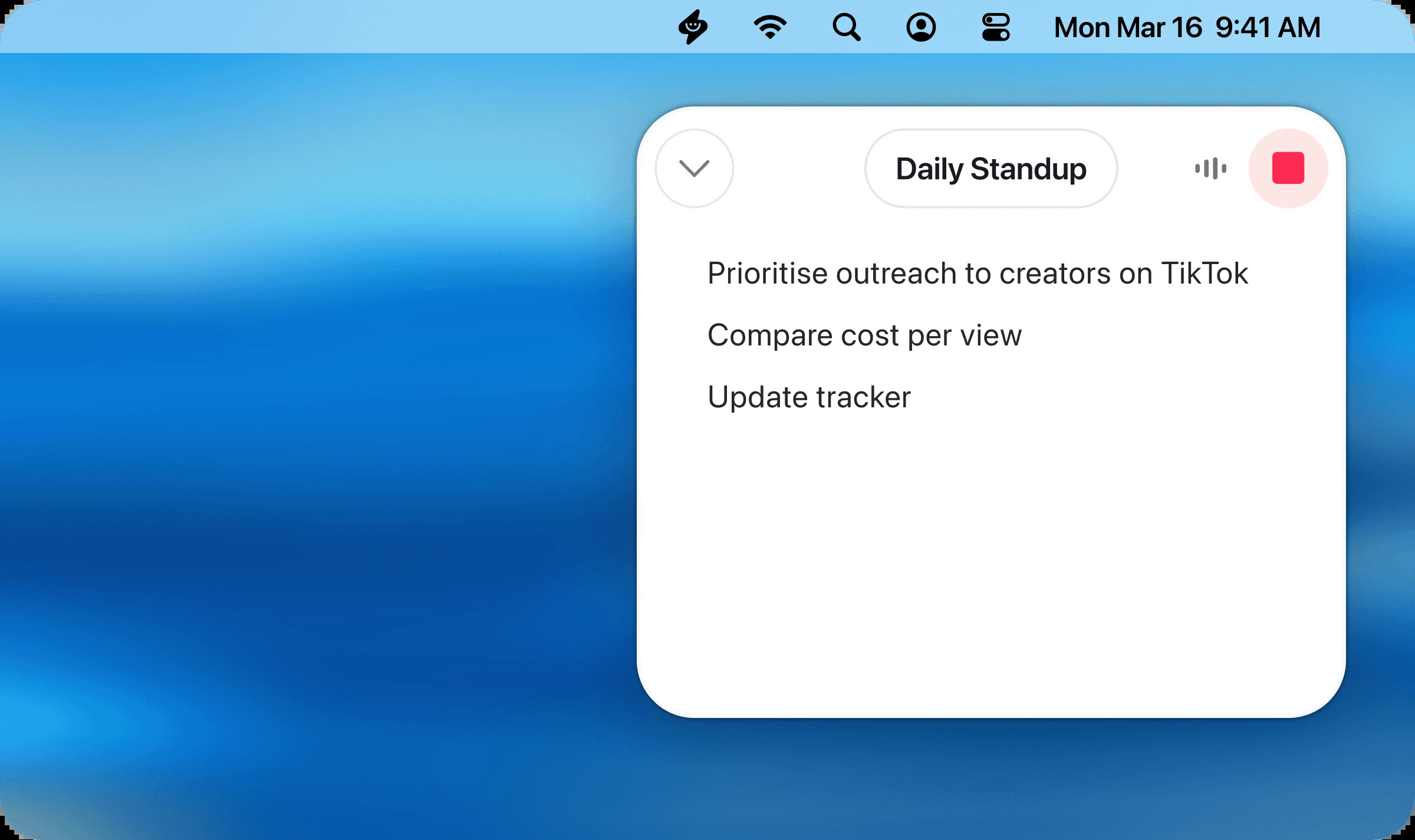
The recorder lives in the Mac menu bar or Windows taskbar and detects scheduled meetings. Windows can also detect unscheduled Meet, Zoom, and Slack calls.
Editable memory
Notes open in a rich-text editor, while search filters meetings by attendee, domain, type, date, and project.
Reusable moves
Shortcuts turn common prompts such as “draft email” or “extract actions” into buttons beside the note.
Portable context
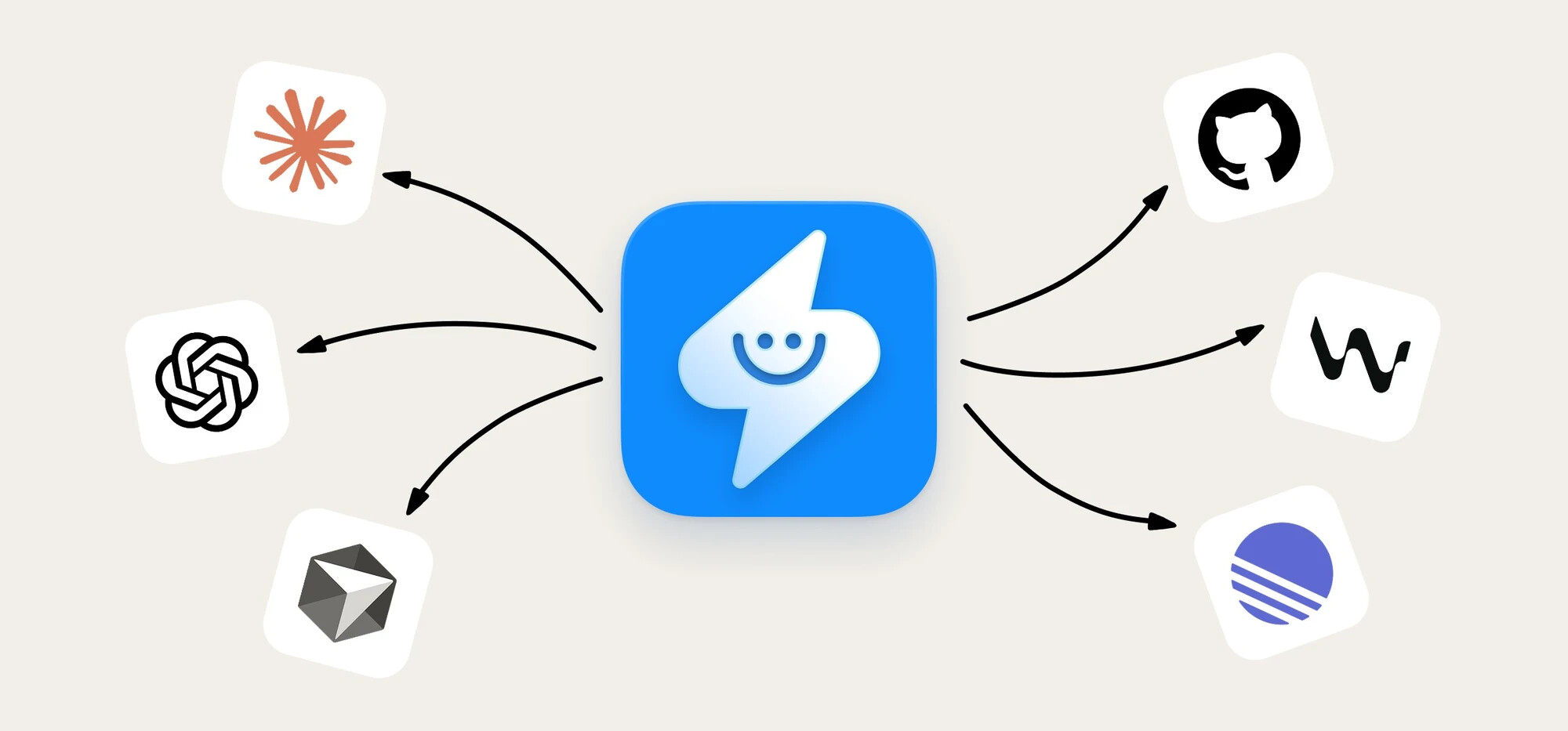
The MCP connection can expose meetings and projects to compatible versions of Claude, Cursor, ChatGPT, and other tools.
The MCP feature is the sleeper. Meeting archives usually become tidy cemeteries: searchable, well labeled, and rarely visited. Making that context available inside another AI workspace means a developer can ask what the client specified while coding, or a strategist can bring discovery calls into a planning session without pasting transcripts into a chat window.
“The summary captured everything important.”A mid-market customer-success reviewer on G2, July 2025
That same reviewer supplied the necessary cold shower: names in transcripts sometimes arrived as strange variations, and a removed HubSpot workflow made the product unsuitable for that team. Another G2 reviewer praised Portuguese transcription and automatic topic organization. The pattern is ordinary but important. Summaries can feel accurate even when the underlying transcript mangles proper nouns, and a single missing integration can erase every saved minute.
The product has moved considerably since those reviews, including richer editing, improved speaker identification, and a rebuilt desktop pipeline. Still, nobody should let an AI-generated scope, budget, or promise travel directly to a client. Treat the output as a junior colleague’s brisk first draft: useful, occasionally uncanny, and always due a human read.
The buying decision, minus the confetti
| If you need… | Start with… | Reason |
|---|---|---|
| Meeting context turned into client deliverables | Supernormal | Projects, shortcuts, agents, and editable slides sit in the same workflow. |
| A personal, bot-free note companion | Granola | Its core experience is deliberately centered on individual note capture and cleanup. |
| Call recording, summaries, and a large review footprint | Fathom | It is a mature alternative with strong user satisfaction and team-oriented call workflows. |
| Transcripts feeding established sales systems | Otter or Fireflies | Compare current CRM integrations and recording policies against your exact stack. |
Pricing is credit-based. The free account includes five daily credits, 15 monthly credits, unlimited projects, bot-free notes, generation tools, and MCP. The official page’s structured pricing lists Team at $20 with 50 monthly credits and Business at $40 with controls including SSO, audit logs, and retention. Team credits can be shared across unlimited seats and roll over. Because quantities are adjustable, inspect the checkout total and estimate credits from a normal week before budgeting.
Credits also change the habit a team develops. Per-seat software encourages every person to wander in; a shared pool encourages managers to decide which outputs deserve generation. That can be efficient for a small agency, where ten people may attend calls but only two regularly make decks. It can also become a soft rationing system if nobody knows what an action costs. During a pilot, label every generation for a week and compare the pool’s movement with the hours actually saved. “We made 40 things” is less useful than “three proposals needed 25 minutes of cleanup instead of an afternoon.”
The pace of the 2026 releases deserves attention too. Windows support, seven launch languages, richer notes, editable slides, shortcuts, search filters, and MCP arrived within months. Fast shipping is welcome, especially after the Radiant rename, but it means old reviews and setup guides age quickly. Confirm the current workflow in the app instead of buying from a year-old comparison chart. Teams with strict change control may want a narrower rollout until capture behavior and required integrations have settled into routine.
Security material is unusually plainspoken. Supernormal says data travels over TLS 1.2 or later and rests under AES-256 encryption. It advertises SOC 2, GDPR, and HIPAA support, offers a BAA and DPA, and says paid-plan data is not used to train its models or outside AI models. Its public subprocessor list includes AssemblyAI for transcription and OpenAI, Anthropic, and Microsoft Azure as AI providers, alongside major cloud and monitoring services. Regulated teams should request the reports, confirm retention, and map consent law to every place employees record.
A seven-day trial that tells the truth
Do not test Supernormal on a ceremonial internal sync. Give it one discovery call, one crowded project review, one accented or multilingual conversation, and one in-person recording from mobile web. Correct the names, then ask it for the deliverable your team normally dreads: a proposal, a status deck, a research brief, or a budget sheet.
Score four things. Did capture start reliably? Were decisions and speakers right? How much editing did the output require? Did it land in the place where colleagues work? The last question catches the quiet failure mode of every notetaker. A lovely recap stranded in another app is still another app to check.
Also watch the social effect. Bot-free recording removes visual clutter, but invisible capture can surprise people if consent becomes a tiny ritual. A direct sentence at the start of the call is cheaper than a trust problem later. For external meetings, agree on what is recorded, who receives the output, and when the source audio or transcript disappears.
The verdict
Supernormal is most convincing when the cost of a meeting is not the meeting. It is the two hours afterward, when capable people repackage the same conversation for a client, a manager, and a project tracker. Bot-free capture makes the intake graceful; projects and agents give the notes somewhere useful to go.
Buy it for repeatable client work, not for the novelty of automatic minutes. Pilot the transcription on real voices, audit every consequential draft, and confirm the integrations that make or break your handoff. If the generated first draft survives those tests, the meeting hangover may finally have found its aspirin.