A phone can be a small miracle right up until you walk inside a building. Then the call drops. The screen stalls. All that engineering ends in the familiar little dance toward a window. For Stormbreaker Ventures, the gap between what technology promises and where it actually works is an investment opportunity.
- Backs early startups building connectivity infrastructure and software.
- Pairs investment capital with telecom operating experience.
- Looks for businesses that can turn technical capability into real deployments.
Consider InfiniG. In August 2026, Stormbreaker and J2 Ventures co-led its $5.2 million seed round. The company brings managed cellular coverage into enterprise buildings using shared infrastructure. Its premise is pleasingly concrete: people already have phones, businesses already have buildings, and the two should get along.
01 The building is the problem
InfiniG’s announcement describes a market underserved by traditional deployment models, which concentrated investment in premier venues. Its service uses shared spectrum and infrastructure to support participating mobile operators. Enterprises fund the coverage, while InfiniG manages installation, integration and operation. The financing is intended to expand deployments and operator automation, among other priorities.
That detail matters. The opportunity involves changing who pays, who installs, and who keeps the system running. A better radio alone cannot settle those questions. Stormbreaker’s interest makes more sense when you look at the people reading the pitch.
02 Investors who have been the buyer
Founder Said Mia came from investment banking. He assembled a firm around experienced operators, including Glenn Lurie, the former president and CEO of AT&T Mobility and Consumer Operations. Andy Funk brings startup-building experience. The current team also includes former Qualcomm president Derek Aberle and Clearnet co-founder Wade Oosterman as venture partners.
Those careers are relevant because telecom customers do not adopt products with the casual enthusiasm of someone downloading an app. Someone must approve the vendor. Someone must integrate the system. Someone inherits responsibility when it fails. An investor familiar with those decisions can help a founder ask sharper questions before a sales forecast becomes a cash shortage.
In April 2023, Stormbreaker announced Lurie’s appointment as a general partner and Bart Lorang’s arrival as a venture partner. It explicitly linked the team’s expansion to a tighter mobility focus. The firm was concentrating where its experience and relationships could be useful. That is a strategic choice another small business can copy: make the work match the people who can actually do it.
03 The network gets a software layer
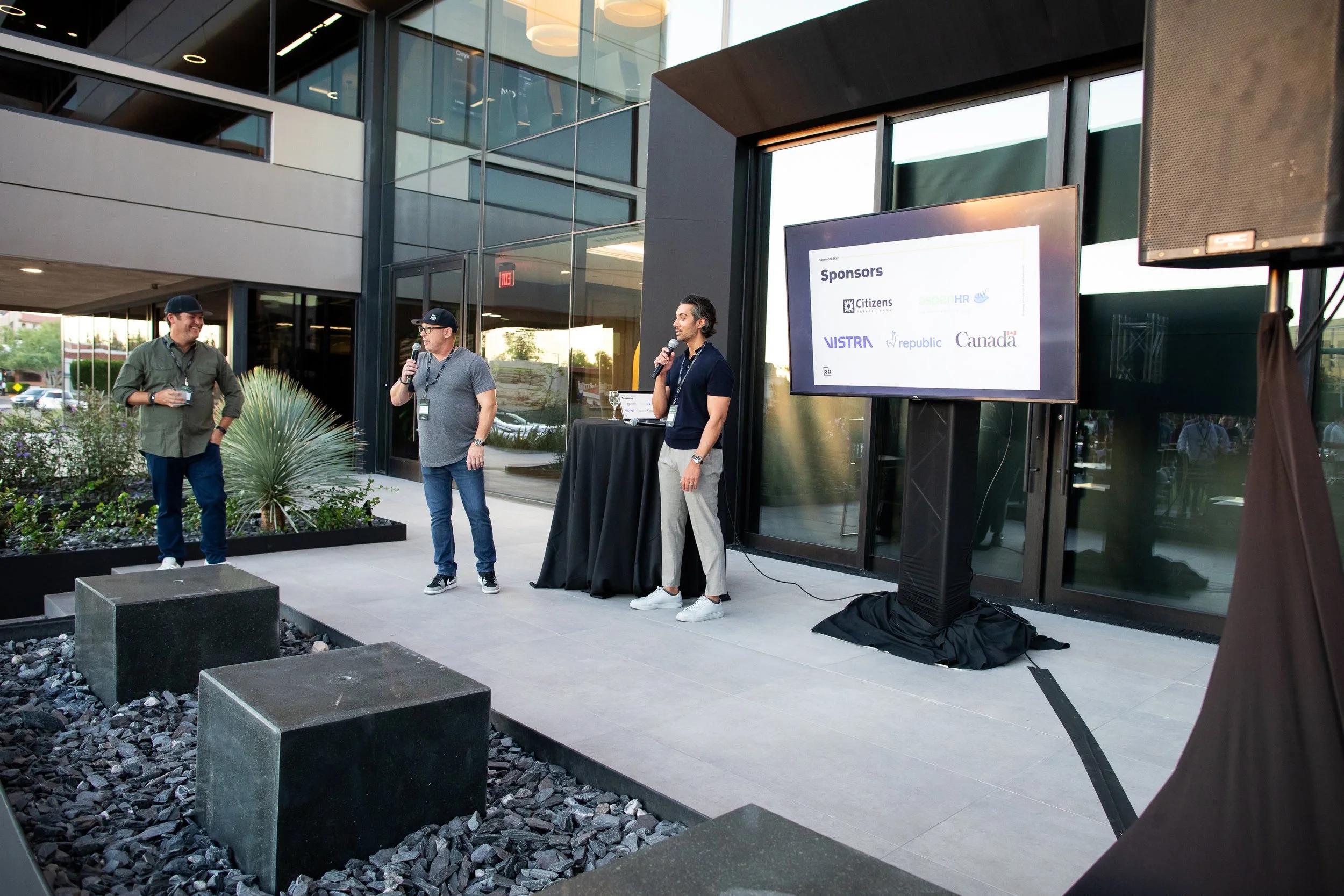
Stormbreaker calls its territory the connected ecosystem. That includes wireless, networking, devices, transport, private networks, edge computing and the software that coordinates them. Its stated initial checks are $1 million to $2 million at pre-seed and seed, generally leading or co-leading rounds. Founders receive capital and access to operating experience through its Founder Success Platform.
TEAL offers an earlier example. Stormbreaker participated in the company’s $9.1 million Series A announced in April 2021, then its $10.8 million extension in 2022. TEAL gives IoT customers programmable control over network access. A device’s connectivity becomes something its owner can manage through a platform, with access to multiple networks and technologies.
Stormbreaker invests across the connections.
The appeal is straightforward: improve the usefulness of equipment and networks that already exist. The founder’s task is to turn that improvement into a product someone can buy and operate. The investor’s task is to distinguish a real commercial opening from an impressive diagram.
04 Follow the money carefully
Stormbreaker serves two groups: founders seeking backing and limited partners supplying investment capital. It operates private venture funds. Its March 2026 Fund II filing reported $20.59 million sold to 35 investors. That is capital subscribed to a fund, available for the venture-investment business described in the filing.
Fund interests sold to 35 investors
Portfolio fundraising measures something different. In April 2023, Stormbreaker reported more than 40 active portfolio companies with over $500 million in follow-on capital raised. Those figures describe the companies’ ability to attract further financing. They do not establish what Stormbreaker’s own investors earned.
Acquisitions add another kind of evidence. Cameyo, which helps deliver legacy applications in a web-based workplace, joined Google in June 2024. Exclusive Networks acquired Cloudrise, a cybersecurity services business, that November. Both appear in Stormbreaker’s portfolio. The transactions show strategic buyers finding useful capabilities inside smaller businesses.
Relationships can also shape the beginning of an investment. Thermo Companies, a strategic limited partner, introduced Global Telecom Engineering to Stormbreaker and invested alongside it. Announced in February 2024, the deal covered a company building chips, modems and modules for wireless connectivity. Here, the investor network helped source a specific opportunity.
05 The scarce resource is time
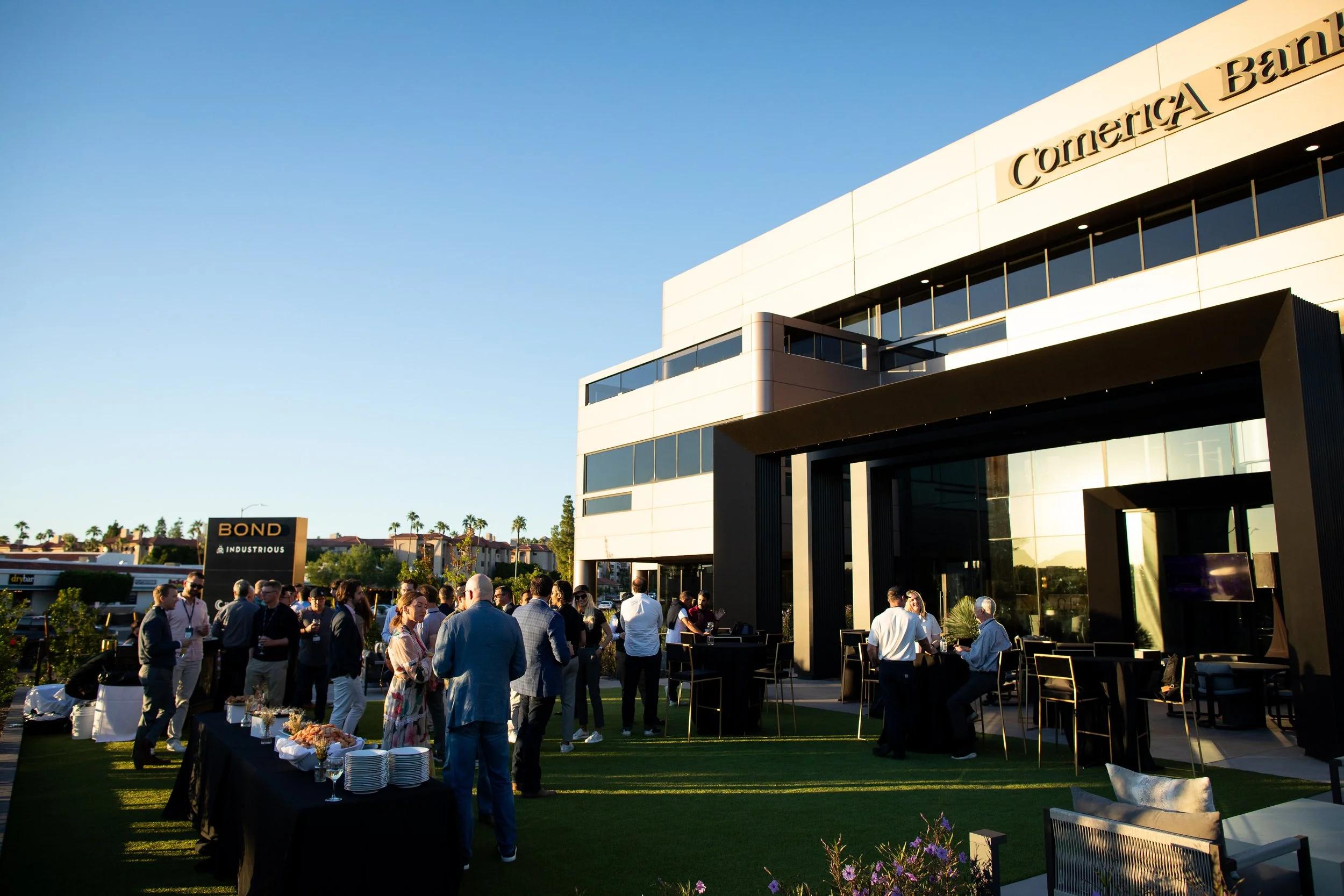
Even a firm selling operational experience has operational limits. Before its 2025 annual meeting, Stormbreaker considered handling the event internally. The team’s time constraints made that impractical, according to event partner Strut Consulting. It brought Strut in to manage planning, vendors and execution.
“We needed help to execute at the level we wanted”
Said Mia / on hiring Strut
That small admission makes the larger pitch more credible. Expertise includes knowing which work to delegate. For a founder, the lesson is usable tomorrow: identify the activity consuming scarce attention, then decide whether ownership of that activity is helping the business.
The same discipline applies to infrastructure investing. In his 2026 interview with Unite.AI, Mia stresses integration, distribution channels and customer contracts. The implication is practical: this approach needs buyers whose purchasing schedules can support expensive deployments. It becomes harder when sales take longer than the cash lasts, or a product cannot fit the customer’s installed systems.
Stormbreaker’s useful distinction is its familiarity with that messy middle. Specialist firms such as Momenta also invest where industry meets connected technology; founders have alternatives. Stormbreaker offers a particular set of telecom relationships and operating histories. For a founder who needs to cross from a working prototype to a working network, that is a concrete reason to start a conversation.