A record can be a remarkably effective disguise. In Türkiye’s startup market, 2024 produced 473 funding rounds below $1 million, a high-water mark in StartupCentrum’s annual analysis. A founder skimming that figure might reasonably picture investors opening their wallets. Read further, however, and the scene changes. Most of those rounds came through a public-backed programme. Private-sector funding in the same size bracket had fallen sharply. The champagne, it turns out, needed a footnote.
- StartupCentrum combines ecosystem data with startup profiles and investor applications.
- Its subscriptions sit alongside recruitment, grant consultancy and investment activities.
- The useful lesson: separate the funding headline from the money available to your kind of company.
The record with a catch
StartupCentrum’s 2024 analysis separates 329 TÜBİTAK BİGG rounds, worth $8.5 million, from 144 private-sector rounds, worth $38.1 million. That private funding amount was down 48% from the preceding year. The overall count rose while the private pool shrank. These are different measurements, and they invite different decisions.
For someone choosing when to raise, the distinction is practical. A plentiful supply of small public-backed investments does not establish a plentiful supply of private follow-on capital. For a policymaker, the same table poses another question: which part of the market is doing the supporting? The number becomes useful only after someone has taken it apart.
A map with doors in it
That habit of looking below the surface helps explain StartupCentrum. It is a data platform for the startup ecosystem, with a substantial body of research on Türkiye and ambitions across borders. Its customers and users include founders, investors, accelerators, institutions and people seeking startup work. The shared problem is finding useful information and then finding someone to act on it.
The platform lets founders create startup profiles and discover investors and accelerators. Investors can search against selected criteria, contact founders and receive applications through a dedicated application page. Job seekers can browse startup vacancies. Service providers also appear in a directory offering startup deals. These are ordinary tasks, but ordinarily they require a rather untidy collection of tabs.
The distinction is the combination. A report describes the neighbourhood; profiles and applications provide doors to knock on. That is our reading of the proposition, rather than a claim that every introduction succeeds. The website still labels its People directory “Soon at your service!” Talent-related consultancy and job listings should therefore be assessed separately from that promised directory.
“Discover the startup ecosystems with the power of data.”StartupCentrum’s website proposition
There are alternatives. Startups.watch covers Türkiye and Turkish-founded companies abroad, with reports and deal-flow tools. Dealroom serves the broader ecosystem-intelligence market. StartupCentrum occupies this same territory while adding hands-on services and an investment arm. Buyers can compare geographic coverage, data freshness and the actual workflow they need. A longer company list is only useful if it contains the right companies.
The price of asking better questions
StartupCentrum’s published annual pricing makes the software business fairly legible. Personal costs $139 for one user; Enterprise costs $399 for five. Both list company, investor and funding data, unlimited premium search, premium reports and report-data exports. Monthly export allowances are 1,000 rows and 5,000 rows respectively. Those are annual bills, not monthly subscription prices.
Beside subscriptions sits work that requires people. Recruitment consultancy covers headhunting and matching, including IT, software and senior executive roles. Grant consultancy assesses a startup’s needs and supports national and international applications. The appeal is understandable: discovering a funding programme and completing its paperwork are separate jobs. So are finding a candidate and persuading that person to join.
The research itself has become an institutional product. StartupCentrum has worked with the Ankara Development Agency on city-level ecosystem analysis, and its site lists a 2025 Ankara analysis published in March 2026. City-level work changes the unit of attention. Instead of asking whether a country is attracting capital, an institution can examine its own universities, support programmes and investment activity.
When the mapmaker writes a cheque
Co-founders Nizamettin Sami Harputlu and Müge Bezgin are also participants in the market they describe. Their company raised a reported $135,000 in a 2021 pre-seed round, followed by $440,000 announced in August 2024 at a reported $10 million valuation. That later valuation belongs to that transaction; it is not a price tag to carry indefinitely into the future.
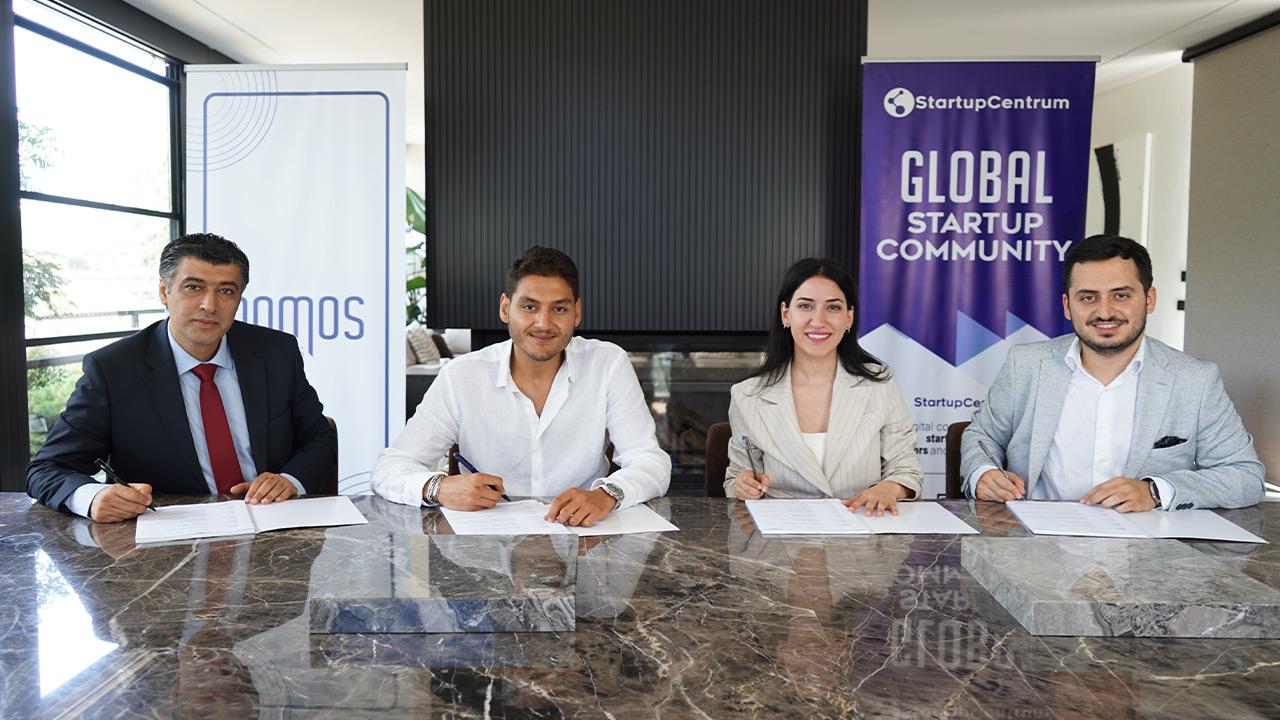
The 2024 round included Nomos Ventures, Arz Portfolio, H2O Investment and returning investor Yeşim Sümerkan. Separately, StartupCentrum established the Alpha venture fund with ARZ Portfolio in November 2023. It also runs an accredited angel network with Istanbul and Ankara branches. Company fundraising, fund investment and angel introductions are related activities, but their money should never be casually added together.
In May 2026, the Alpha fund’s investment in Karavan was reported at 10 million TL. Karavan brings foreign-trade and logistics processes onto one platform. The transaction gives StartupCentrum’s investment activity a concrete example. It also makes its position more interesting: the organisation describing the ecosystem now has capital deployed inside it.
Count carefully. Then make the call.
What can a reader copy? Begin with a narrow question. Which investors have backed companies at your stage, in your sector and geography? Use the data to build a shortlist, check recent activity, and approach the relevant people. Read the report’s definitions before comparing totals. An announced investment, a government-backed round and an exit answer different questions.
This method depends on coverage and timing. Unannounced deals remain difficult to see; yesterday’s investor activity does not promise tomorrow’s appetite. A profile cannot do the work of a credible business, and an application cannot oblige anyone to invest. StartupCentrum’s useful contribution is more modest and more practical: fewer vague assumptions before the next consequential conversation.
Follow the data trail
Explore the company’s tools, reporting and conversations.