A car on a dealer’s lot has two lives. There is the machine you can walk around, and there is the collection of pictures you inspect on your phone. Between them sits an awkward little production line: take photographs, fix backgrounds, match the images to inventory, publish. Spyne built its business inside that gap. Its own history suggests the hardest thing to frame correctly was the customer.
- The first bet: software for photographers, abandoned after roughly $200,000.
- The sharper focus: AI merchandising for car dealers.
- The next sale: agents that answer inquiries and book appointments.
The $200,000 customer problem
Sanjay Varnwal and Deepti Prasad did not begin with an automotive empire in mind. In a 2023 founder interview, Varnwal described spending about 18 months and $200,000 on a content SaaS product for photographers. The objection was economic: he thought it might reach $3 million to $5 million in annual recurring revenue, but the customer base would limit further growth.
That is an unusually useful failure. Something can attract revenue and still be the wrong business for its founders’ ambitions. Spyne stayed close to photography, moving toward AI tools that helped businesses produce product visuals. Then it narrowed again. After serving categories including food, ecommerce and real estate, it concentrated on automotive in 2023.
“We decided to focus on one category and go very deep into it.”
Sanjay Varnwal, speaking to YourStory, February 2025
The distinction matters. A photographer buys help with photography. A dealer buys help selling a car. The same technical skill can sit inside very different budgets. Spyne had found a buyer whose photograph belonged to a larger, more expensive transaction.
A car is a clock with wheels
In a March 2026 Used Car Dealer Podcast interview, Varnwal described inventory as a capital-rotation problem. Money sits in vehicles until they sell. Every delay eats into the economics, including the unglamorous delay between acquiring a car and getting a useful listing online.
This explains the attraction of automotive. The company could work on a repeated, recognizable job with a buyer who cared about speed. Its customers include independent dealers, dealership groups and marketplaces. An April 2025 announcement named Greenway Auto Group, Clay Cooley Auto Group, CARS24, Carsa and Motor Auction Group among its customers.
Those are company-reported counts. More revealing than the size is the shared task: make different vehicles, photographed by different people in different places, look like they belong to the same business.
The picture has to go somewhere
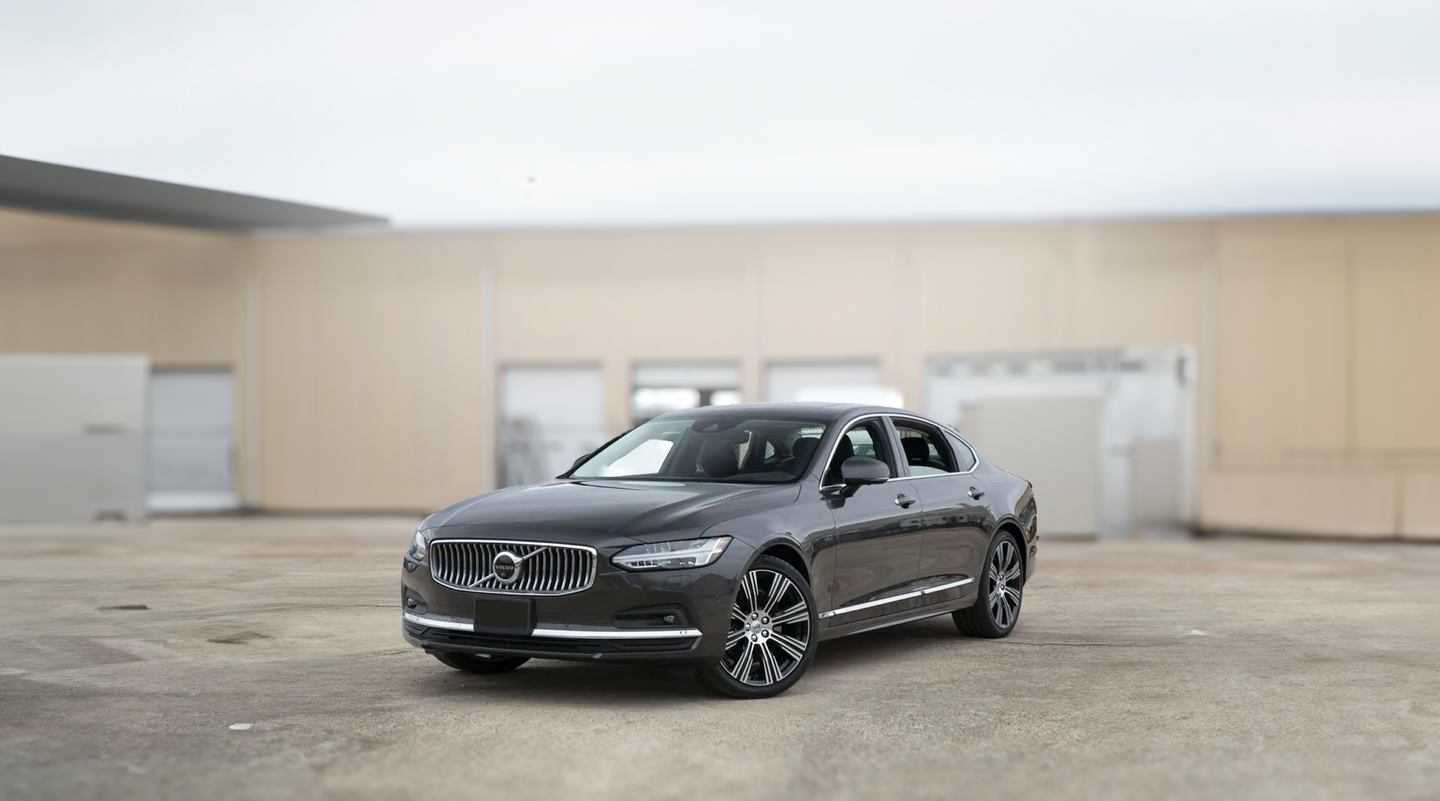
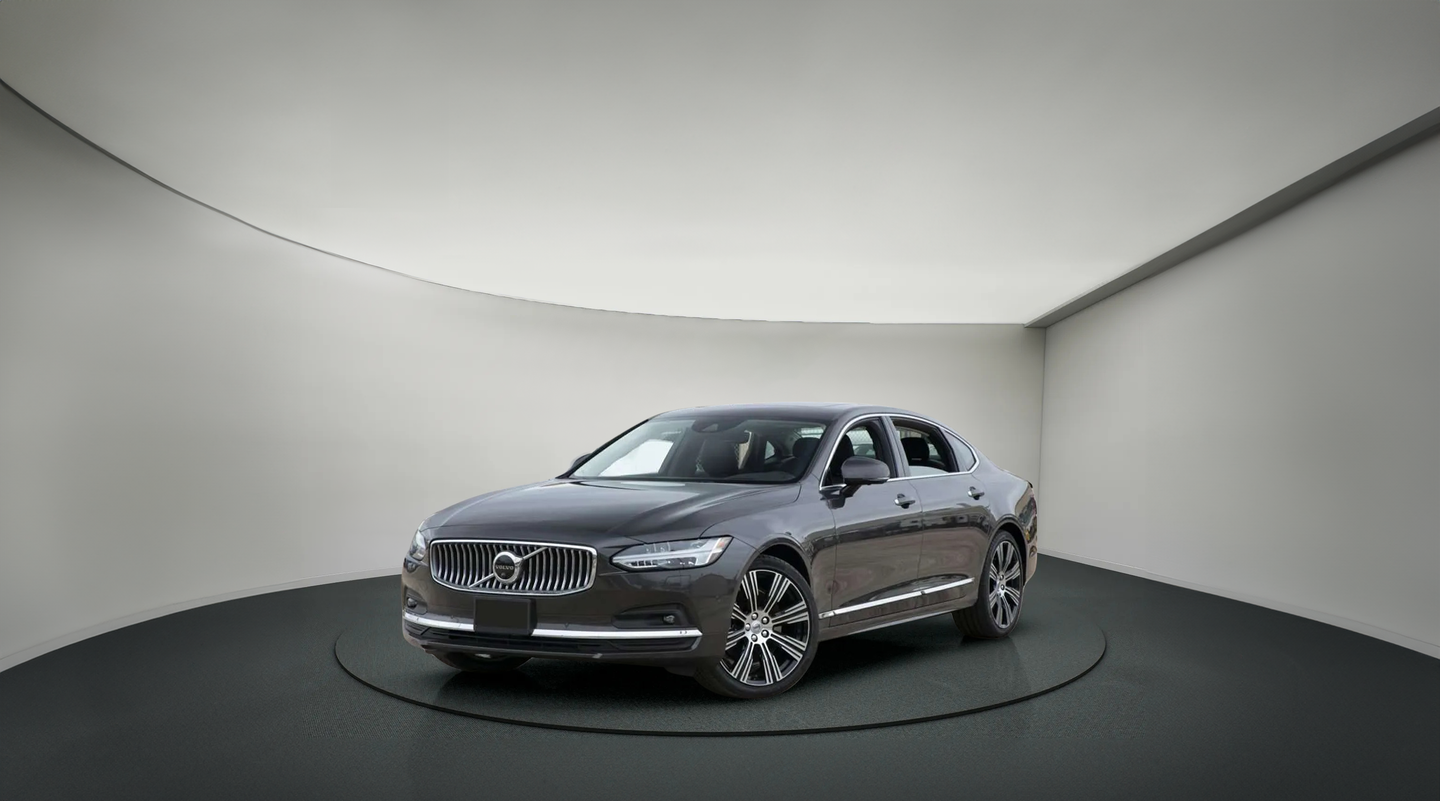
Studio AI addresses that task with phone-based capture, background replacement, branded scenes, image sequencing and number-plate masking. Car Tour adds interactive exterior and interior views. Video Tour produces walkaround content with templates and narration. The attraction is producing a repeatable set of assets without building a physical studio at every location.
A nice background alone is easy to understand and easy to compare. Spyne’s more substantial proposition includes inventory matching, a central console and publishing connections. The photograph has to arrive on the right vehicle’s page. Otherwise, an attractive output has merely created another file for someone to move.
The current pricing page offers Lite and Pro plans through sales quotes. Pro adds tours, video and advanced merchandising. That makes a dealer’s actual workflow part of the buying decision: integrations, volume, review time and contract scope determine what the software costs to operate.
Competition is specific. CarCutter also offers guided capture and automotive background processing. Phyron overlaps in automated vehicle content. Generic image editors can handle simpler changes. Spyne’s position is a connected automotive offering spanning merchandising and conversations; dealers should test how well those parts fit their existing systems.
There is real computer-vision work underneath the sales pitch. Vehicle outlines, glass, wheels and shadows have to remain convincing when the setting changes. Spyne’s $7 million financing announcement in April 2022 earmarked investment for a computer-vision lab, alongside hiring and international expansion. The expertise is image processing applied to a recurring commercial task, with all the awkward edge cases that cars bring.
Then the phone rings
A polished listing creates another job. Someone asks whether the car is available. Someone wants an appointment after closing time. Spyne’s Vini AI extends into calls, chat, qualification and follow-up, using dealership information to support the conversation.
In a September 2025 conversation with Brian Pasch, Varnwal described connecting agents to existing customer and inventory systems. That detail is less theatrical than a fluent synthetic voice, but it is what makes the voice useful. A confident answer about yesterday’s inventory can waste everyone’s afternoon.
An August 2026 CallSource partnership makes the approach concrete. Vini powers Zylo Service Concierge, combining AI service conversations and appointment scheduling with access to live advisors. Routine requests can be handled automatically; more complicated situations have somewhere to go.
Copy the question, then test the answer
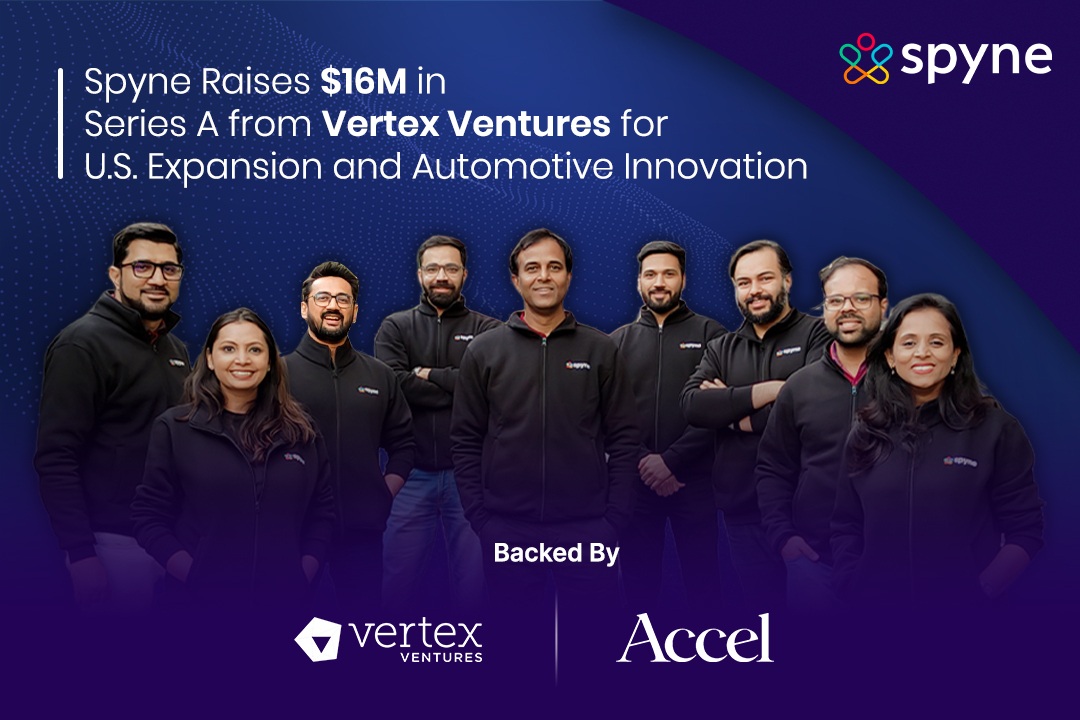
The financing, with participation from Accel, Storm Ventures and Alteria Capital, supported US expansion and a broader automotive suite. Spyne reported fivefold growth over the preceding 15 months. Its proposed move toward 20,000 rooftops was an ambition, not a customer count.
There is something worth copying here: identify the buyer who benefits financially from a finished job, then follow the work beyond your first output. Spyne’s sequence runs from photographs to listings to conversations. Its published culture prizes speed and ownership; its history offers a practical example of changing direction.
For dealers, the sensible test is smaller than the pitch. Try representative inventory. Review vehicle details, reflections and image accuracy. Confirm that publishing and scheduling work with your systems. Measure time to a complete listing and appointments that actually happen. If pricing, reconditioning or poor stock selection is the bottleneck, prettier pictures will have limited effect. The car still has to be worth buying.
That is also a useful constraint on Spyne’s expansion. Adding another task for the same dealer makes sense when the connection removes a handoff or prevents a lost inquiry. The test for each new product is whether it improves that working day. A wider menu is only valuable if the dealer spends less time managing it.
Take it for a spin
Explore Spyne, its Image Studio demo, Car Tour and Video Tour.