A motorcycle forum is an unlikely place to find the beginnings of a photography business. But the riders on Adventure Rider had a practical problem: they could describe their journeys, yet needed somewhere to host the pictures. Chris MacAskill had started the forum in 2001. A year later, he and his son Don built SmugMug. The photograph needed a home before it could tell a story.
- Paid photo storage, client galleries, portfolio websites, and print sales in one service.
- A family-funded business that started with a small community of riders.
- A useful lesson: charge for the work customers need done, then listen when your pricing gets it wrong.
That origin matters because it explains the company's peculiar priorities. SmugMug did not begin with a feed to fill. It began with people who already had photographs and wanted to do something with them. The distinction still separates a gallery business from a social network. One needs an audience to keep scrolling. The other needs a customer to find the right picture.
Five customers. An actual business.
In 2002, charging for photo sharing sounded unpromising. Kodak, Yahoo, and other established names offered free alternatives. In a later Mixergy interview, Chris recalled investors asking why anyone would entrust irreplaceable pictures to an unknown company, then pay for the privilege. His answer was that even a small paying slice of a large market could support a business.
He supplied $200,000 himself, then another $300,000 roughly two years later as hiring accelerated. That is a useful correction to the mythology of bootstrapping: somebody still pays. SmugMug's early capital came from its founder. Don later recalled one subscriber in the first week and five in the first month. The company had customers before it had anything resembling momentum.
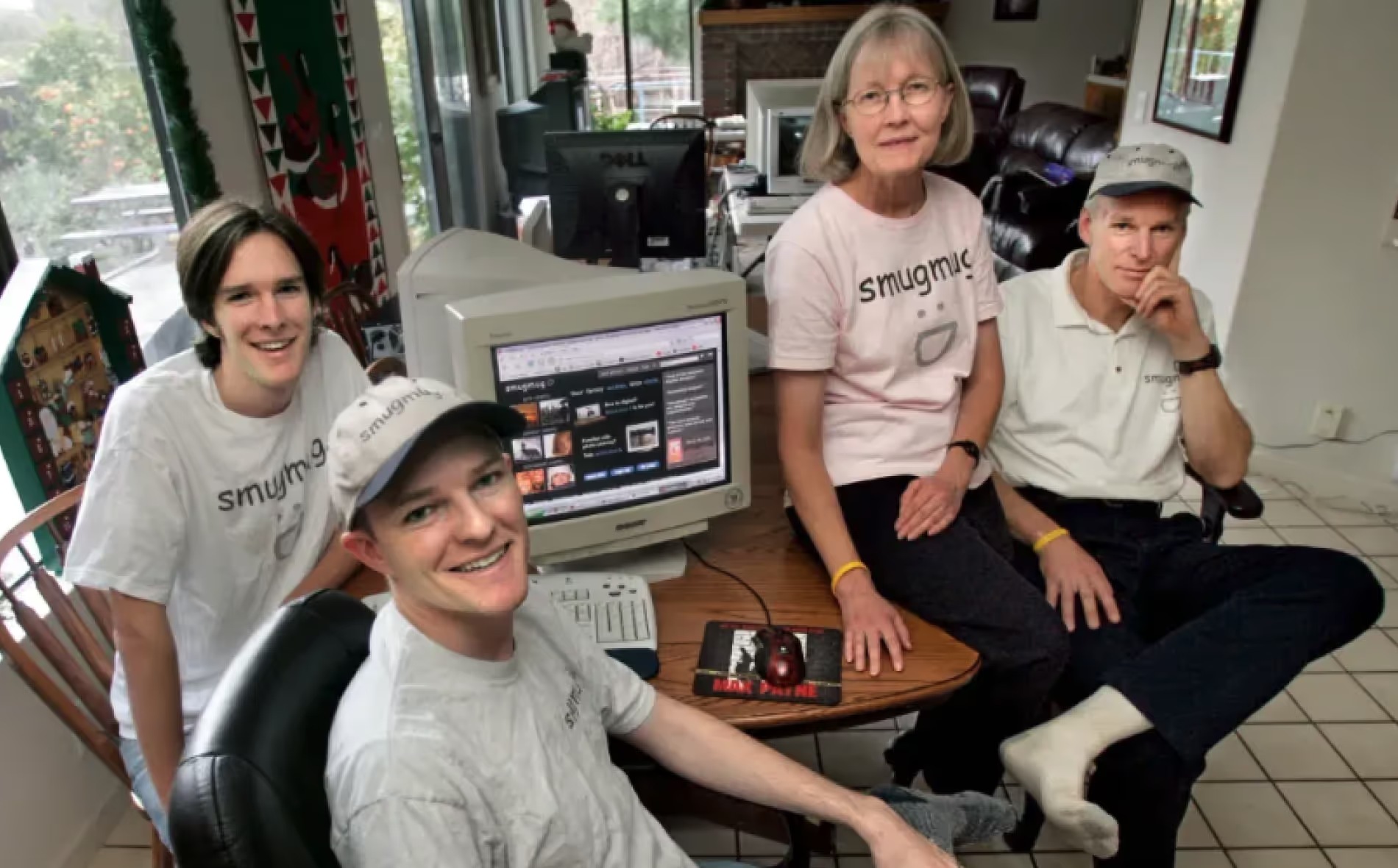
The offer was specific: preserve originals, display photographs generously, avoid advertising, and let subscribers make their galleries feel like their own. By 2008, USA Today reported roughly 100,000 subscribers and $12 million in annual sales. Those are historical figures. Their value here is what they establish: a paid niche could become a substantial business while free competitors surrounded it.
“But there is always a place for a premium brand, if you do well.”Chris MacAskill, speaking to Mixergy
The expensive part was the customer.
A subscription does not abolish awkward economics. In August 2012, SmugMug split its professional offering into Portfolio and Business. Existing photographers who wanted to keep setting prices faced an annual increase from $150 to $250. The company explained that sellers consumed more storage and features. Customers objected to paying more or losing their ability to sell.
By November, SmugMug restored pricing and selling to Portfolio, explicitly citing feedback. Subsequent coverage reported that closer examination tied heavy storage use to advanced Business features. The first distinction had been too blunt. The useful lesson is wonderfully unglamorous: examine which activities cost money before assigning an entire group of customers a more expensive identity.
A photograph has several jobs.
Consider a wedding photographer. A file must survive the journey from camera to archive. A couple needs a gallery. Relatives want downloads or prints. The photographer needs prices, payment, and fulfillment without turning the kitchen into a shipping department. SmugMug bundles those jobs, with different permissions and selling features attached to different plans.
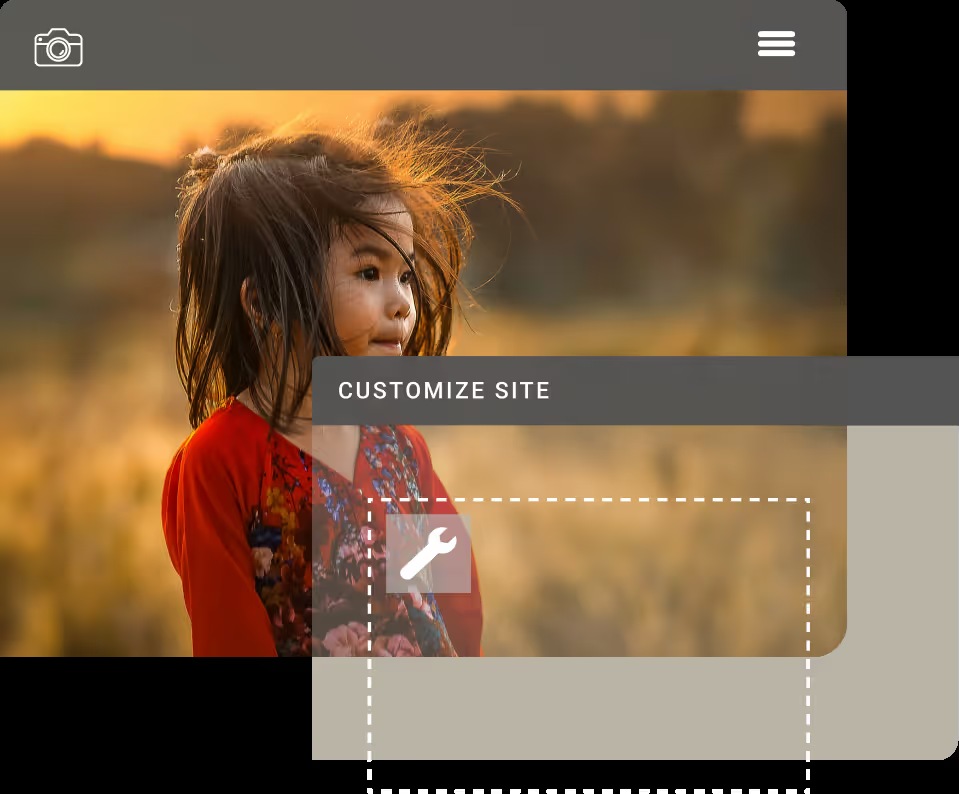
Its expertise lies in connecting those steps. Lightroom integration helps move edited photographs into the service. Private galleries control access. Portfolio and Pro add website templates and commerce; Pro extends the toolkit with multiple pricelists, coupons, packages, and client favoriting. Labs including Bay Photo, WHCC, Fujifilm, and Loxley handle physical products. Availability and catalogs vary by lab.
Source, introduced in 2021, addresses another job: keeping RAW files available alongside the wider workflow. RAW storage is an additional subscription, rather than part of the unlimited JPEG allowance. Mobile and desktop apps help with uploads and access. This is a photography workbench: useful to serious amateurs, working portrait photographers, event shooters, and anyone whose archive has outgrown casual sharing.
The price of getting the chores done.
At the October 2026 research check, annual billing put Direct at $20 a month, Portfolio at $23.50, and Pro at $37. Enterprise required a conversation. Source added $10 a month for up to one terabyte, then $6 for each additional terabyte. The practical question is whether the saved administration earns back the subscription.
Selling adds another calculation. Photographers keep 85% of the markup above SmugMug's base price; the company retains 15%. It is a share of the markup, not the whole order. The example below uses an invented base cost to show the arithmetic. Subscription costs, taxes, and shipping sit outside it.
85% / 15% split of the $20 markup.
Buying the town square.
In 2018, SmugMug bought Flickr from Yahoo. The purchase price was not disclosed. It brought together two different photographic habits: presenting work on your own site and participating in a shared community. Awesome's corporate history dates the parent company's establishment to 2020, with SmugMug and Flickr retaining separate products. Family ownership became the umbrella for both.
The distinction helps place SmugMug in today's market. Pixieset and Zenfolio also connect galleries with commerce. A photographer choosing among them should compare the complete workflow, lab choices, and total selling cost. Someone mainly seeking social discovery has a different problem. A paid gallery can organize demand; a subscription alone cannot manufacture it.
There is still ordinary maintenance beneath the promise. August 2026 release notes describe fixes to gallery ZIP downloads, custom-domain certificates, checkout pricing, and mobile browsing. These are small failures with immediate consequences for a working photographer. The original motorcycle riders needed their pictures to appear. Two decades later, the business still depends on getting that apparently simple request right.
Take a closer look.
Explore SmugMug · Compare plans · Browse a demo gallery · Read the blog
LinkedIn · X · Instagram · Facebook · GitHub
Watch SmugMug Films · Watch a getting-started walkthrough (2016)