A plumeria is a small flower with a surprisingly long itinerary. In a 2009 interview, Skin Deep tattoo artist Mike B described tourists choosing plumeria and hibiscus designs because they wanted to take something of Hawaii home. A flower bought at the airport eventually wilts. A flower drawn into skin has a different relationship with the return flight.
That is a useful place to begin with Skin Deep Tattoos. The Waikiki studio works at the intersection of two very different clocks: the short clock of a visit and the long clock of a tattoo. Its customers can arrive with a holiday idea. The artist has to turn that idea into something the customer will continue living with.
The company dates its history to 1979. Its longevity gives it a story, but the more interesting question is what a longstanding tattoo shop sells when almost everybody knows somebody with a tattoo. Familiarity widens the audience. It also makes the audience harder to impress.
The holiday goes home with you
Skin Deep is a local service business offering tattoos and piercings, with individual artists presenting their work online. Customers buy the work and the time of a practitioner. There is also a retail side: its public business description lists body jewelry, aftercare products and branded merchandise. Someone can come for a tattoo; someone else can come for an ornament.
The historical customer mix helps explain why a broad offering makes sense. Mike B’s 2009 account included tourists and visiting sailors, with different preferences in imagery. Those observations belong to that period, rather than a demographic rulebook for today. They nevertheless reveal the basic commercial problem: two people can enter the same door wanting quite different things.
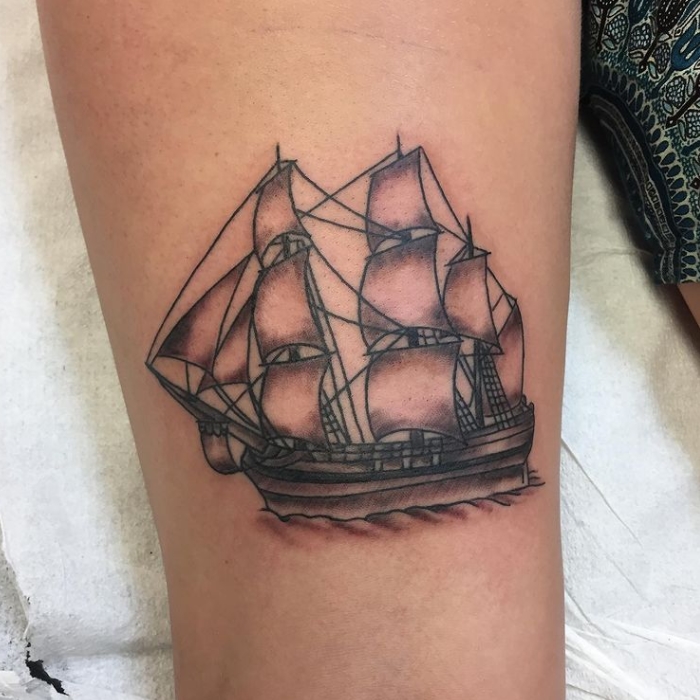
A useful studio has to make those differences manageable. A visitor may have limited time. A local customer may be considering an ongoing project. A first-timer may need help explaining the image they have in mind. The practical value is in finding the right artist and making the proposed work specific enough to discuss.
Popularity has a crowded waiting room
By 2011, Skin Deep artist Bill Funk was describing a broader audience to Hawaii News Now. He contrasted an earlier, largely young military clientele with customers spanning adulthood, and observed women choosing larger, more elaborate work. The market had moved beyond the narrow picture many outsiders carried in their heads.
Three years later, Anna Paige supplied the less comfortable side of that expansion. Interviewed at the Pacific Ink and Art Expo, she described intense competition and worried about abbreviated training. She spoke from several positions at once, identifying herself as Skin Deep’s “owner, manager, janitor and cat-herder.”
“owner, manager, janitor and cat-herder”
Anna Paige, describing her role in 2014
Her account of learning the trade emphasized a four-year apprenticeship and work that began with making equipment. The point was time spent acquiring a craft before taking responsibility for someone else’s skin. A booming market could attract customers faster than it developed experienced practitioners.
There is a business lesson here, though it is an interpretation rather than a claim about Skin Deep’s balance sheet. Increased demand does not promise an easier life for an established shop. New competitors arrive too. History can earn attention, but each prospective customer still needs a reason to choose this particular artist, on this particular day.
The name on the door, the hand on the machine
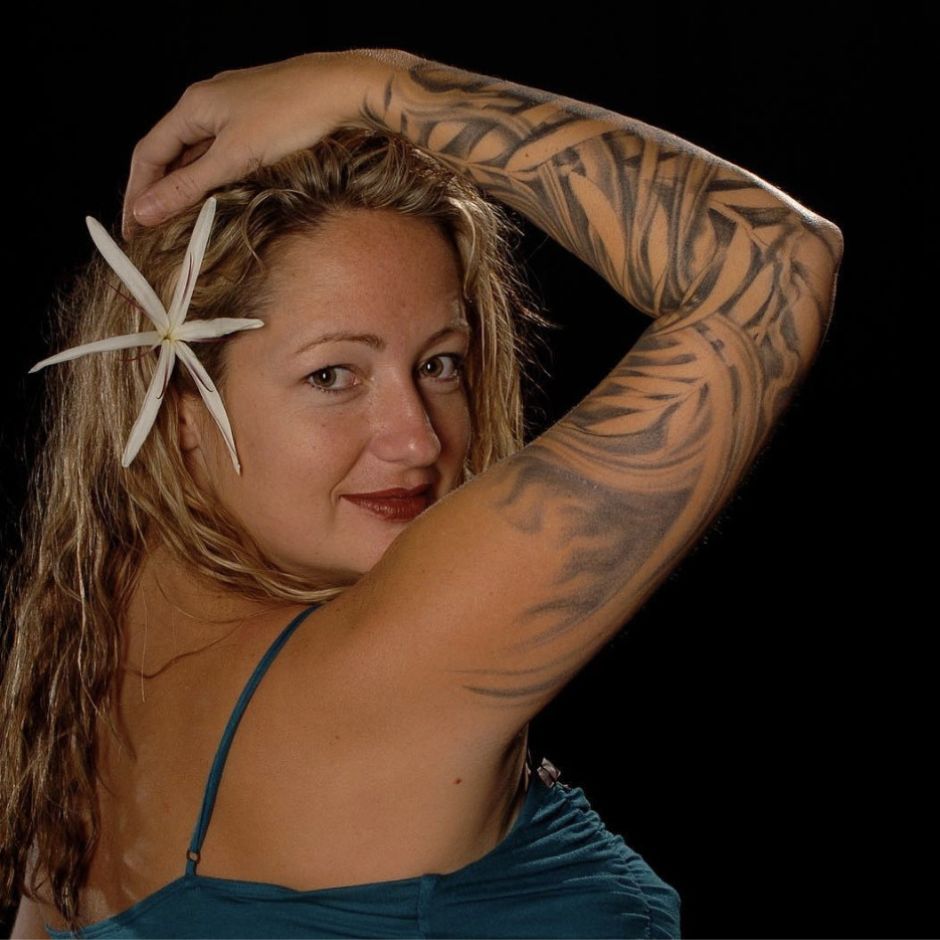
The most useful part of Skin Deep’s website may be its collection of individual portfolios. Anna Paige, Jay Palmer and Brian Takishita each have pages displaying their work. This changes the buying question from whether somebody likes the shop to whether they like the work of the person who might tattoo them.
Kai Yamada’s biography offers another kind of detail. Born in Lahaina, he moved to Oahu in 2005 and became a licensed tattooer in 2008. His account connects his interest in Asian and Polynesian art with the history of tattooing in Honolulu’s Chinatown. It names influences and describes a route into the profession.
Kujo’s published biography describes a different education: apprenticeships in piercing and tattooing, a studio in South Texas, then travel through conventions and other shops. It presents exchanging techniques with fellow artists as part of his development. His portfolio sits within the same company website as Yamada’s, but the path behind it is different.
For a customer, those differences are useful. A roster should invite comparison. Look for work that resembles the scale, visual density and feeling you want, then ask about availability. A company’s accumulated history cannot make every artist the right match for every request.
Explore
the portfolios
Discuss
your idea
Confirm
scope + cost
A price belongs to a particular piece
In its 2011 report, Hawaii News Now described local tattoo prices ranging from around $50 for a basic design to thousands for elaborate work. Those were historical market figures, not a current Skin Deep quote. The useful information is the spread: “a tattoo” describes projects with radically different demands on time and design.
For a prospective customer, a better starting point is a clear brief. Send the idea, approximate size, intended placement and examples of work you like. Ask how the artist would approach it, what time it requires and what the price includes. This is practical buying advice, rather than a description of an unpublished shop policy.
Skin Deep directs tattoo inquiries to email and piercing customers to a separate online scheduler. The distinction is helpful: the customer does not need to guess which service to request through which channel. The website also points to Hale Nui Tattoos on Kuhio Avenue as its other location.
What another business can borrow
The replicable part is modest. Put the people doing the work where customers can see them. Show finished examples. Make the next step clear. These are especially useful habits in services where the customer must choose before experiencing the result.
They have limits. A portfolio that never shows anything like the requested work leaves an unanswered question. A long history does not settle scheduling, price or artistic fit. A holiday deadline does not make a complicated piece simpler. The process works only if there is room for a real conversation before a commitment.
Skin Deep’s appeal is easiest to understand at that scale: one customer, one idea, one artist whose work feels right. The company has been around long enough to watch the audience change. The purchase still ends up being intensely individual. Eventually the holiday photographs get filed away. The flower stays in view.
Look at the work. Then get in touch.
Studio website ↗ Artist portfolios ↗ Instagram ↗ Facebook ↗ Piercing studio ↗ Hale Nui Tattoos ↗