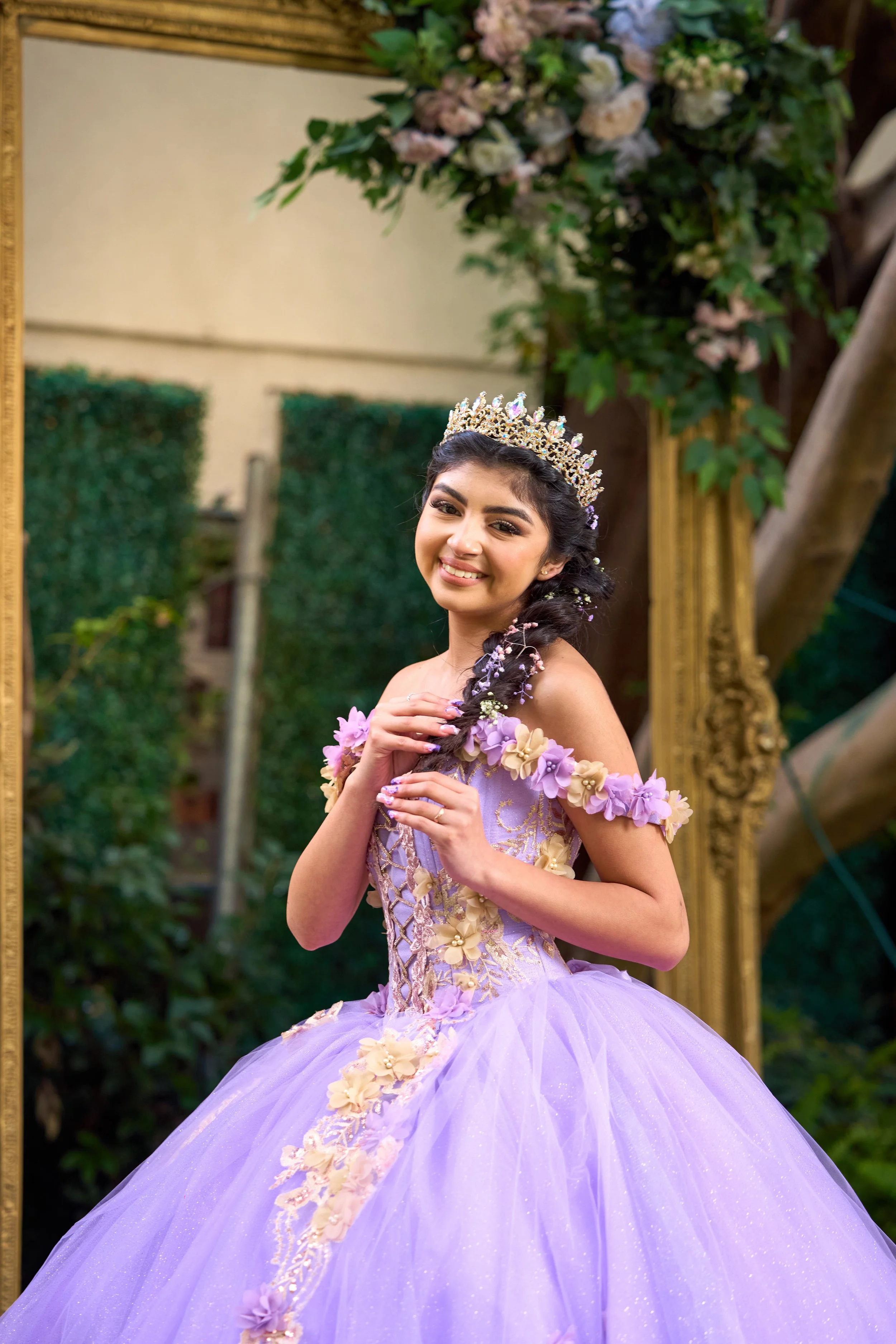
In Penelope Design’s Rapunzel gallery, the braid is part of the scenery. A young woman in a lavender gown stands against greenery and an oversized gold frame, flowers threaded through her hair. The reference is immediately readable. Nobody needs to hand the guests a synopsis. That is the pleasure of a well-chosen theme: a few details can carry an entire story.
Now look at the other half of the assignment. Someone has to arrange the room, coordinate the suppliers, and keep the celebration moving. A photograph records the result. A family experiences everything that happens around it. Penelope, which trades as Penelope Designs, sells services for both sides of that equation.
Two sisters, their mother, and the room
The Los Angeles studio describes itself as family-owned and led by Alma Rodriguez, working alongside her sister Silvia Holland and their mother Caroline Hernandez. The team says it brings more than 25 years of experience designing celebrations. Its stated origin is modest: an interest in decorating and bringing people together.
There is a useful fit between that background and the work. Weddings and quinceañeras are occasions where a personal preference becomes a family project. Someone wants a particular look; someone else has to help make the decisions. Penelope’s emphasis on relationships belongs inside its service proposition. The company says it values those relationships as much as the design.
“As a family business, we value relationships just as much as design.”Penelope Designs
Its customers are couples and families preparing weddings, quinceañeras, and other celebrations. The public testimonials also include Sweet 16 parties. This is a consumer service business organized around an occasion, with a design that must make sense to the people celebrating it.
The theme is a brief you can walk into
Browse the studio’s gallery and the range becomes the interesting part. Rapunzel, Cinderella, Butterfly, and Enchanted Forest appear alongside Classic Wedding, Garden Wedding, and Pampas. A medieval quinceañera shares the menu with a wedding at the Zebra Room. The company gives prospective clients several visual languages to consider.
That range matters because “I want something beautiful” leaves almost every decision open. A recognizable theme gives the conversation a starting point. It can suggest colors, textures, shapes, and the sort of atmosphere a host wants. The task then becomes selecting which of those suggestions belong in the actual event.
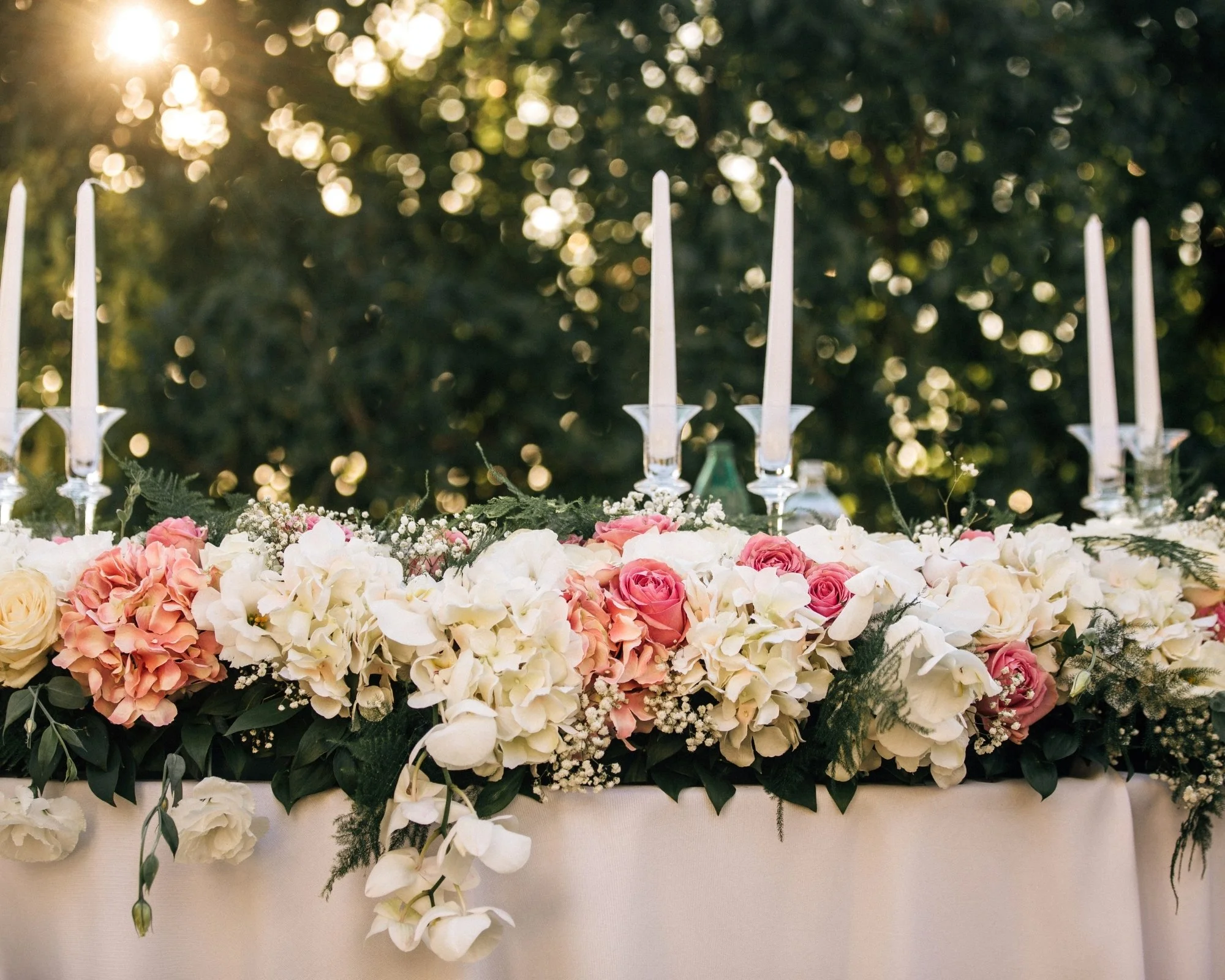
Penelope’s decor service names the individual pieces: centerpieces, table settings, ambient lighting, scenic backdrops, and floral arrangements and installations. It describes choosing them to fit the selected theme. The composition extends from the table to the surrounding room.
There is a practical buying distinction here. A client who needs flowers has one brief. A client who needs the flowers, backdrop, and lighting to agree has a broader one. Penelope’s published offering addresses that broader brief, combining floral work with the other elements that establish a setting.
Who is calling the suppliers?
The full-service planning offer provides a more prosaic, and revealing, inventory. It includes help breaking down the budget, developing the style, finding service providers, and managing suppliers and venue personnel. Email and phone consultations are included, along with day-of coordination. Supplier confirmations happen one to two weeks before the event.
For a prospective client, that list is more useful than a promise of a perfect day. It identifies work that can be handed over. Instead of treating coordination as an invisible extra, the service makes it part of the purchase.
This places Penelope where planning and visual production overlap. The alternatives include hiring separate specialists or choosing a venue package. Its appeal is the availability of design and coordination within the same studio’s offering. The sensible comparison is which responsibilities each proposal actually includes.
A selected customer testimonial from Jessica V., dated January 2023, makes the attraction concrete. She describes a wedding package including a DJ, decorations, food, and a bartender, and says having those elements handled helped the couple enjoy the day. That is one client’s account of a package, rather than a universal specification. But it explains why a host might prefer a connected service.
Put the number beside the promise
Penelope’s wedding budget guide presents three company-described examples: a $35,000 garden wedding for 50 guests, a $75,000 ballroom wedding for 150, and a $55,000 destination wedding for 100. These are total celebration budgets in the company’s account, not current package prices or the studio’s planning fee.
The useful lesson lies in the differences. The garden example emphasizes its setting and dining; the ballroom example includes extensive flowers and live entertainment. A total becomes meaningful when the choices beneath it are visible. Someone comparing proposals should therefore bring a guest count, priorities, and a clear description of the work they want included.
Let the building have a vote
One of the studio’s more instructive design stories concerns the Zebra Room. In its account of venue transformations, the team describes working with the room’s strong black-and-white stripes, choosing complementary decor. The existing feature became part of the design brief.
That is an idea a reader can use without booking a party. Examine the setting before becoming attached to an installation. The same article discusses checking power, hanging restrictions, and access for setup. A suspended feature depends on permission and support; an elaborate room change depends on time. Those conditions should shape the choice early.
The studio also recommends concentrating a limited decor budget on a focal installation. Applied thoughtfully, that means deciding where attention should go before buying more objects. It is a useful discipline for any host tempted to give every corner equal billing.
Penelope’s business brings a personal story into a shared physical space. Its portfolio supplies the invitation to imagine; its service list supplies the questions that make imagining productive. Choose the theme, certainly. Then ask who is managing the room when the guests arrive.