There is something wonderfully presumptuous about an insurance copay. It arrives with the authority of a settled question. Here is your medicine; here is what you owe. SingleCare’s business begins by reopening that question. What if the same prescription, at the same pharmacy, costs less when you present a free coupon instead?
- Compare prescription prices before reaching the counter.
- Use a free coupon instead of insurance when the arithmetic favors it.
- Participating pharmacies pay SingleCare a transaction fee.
- Check the fine print: prices vary, and deductibles complicate the choice.
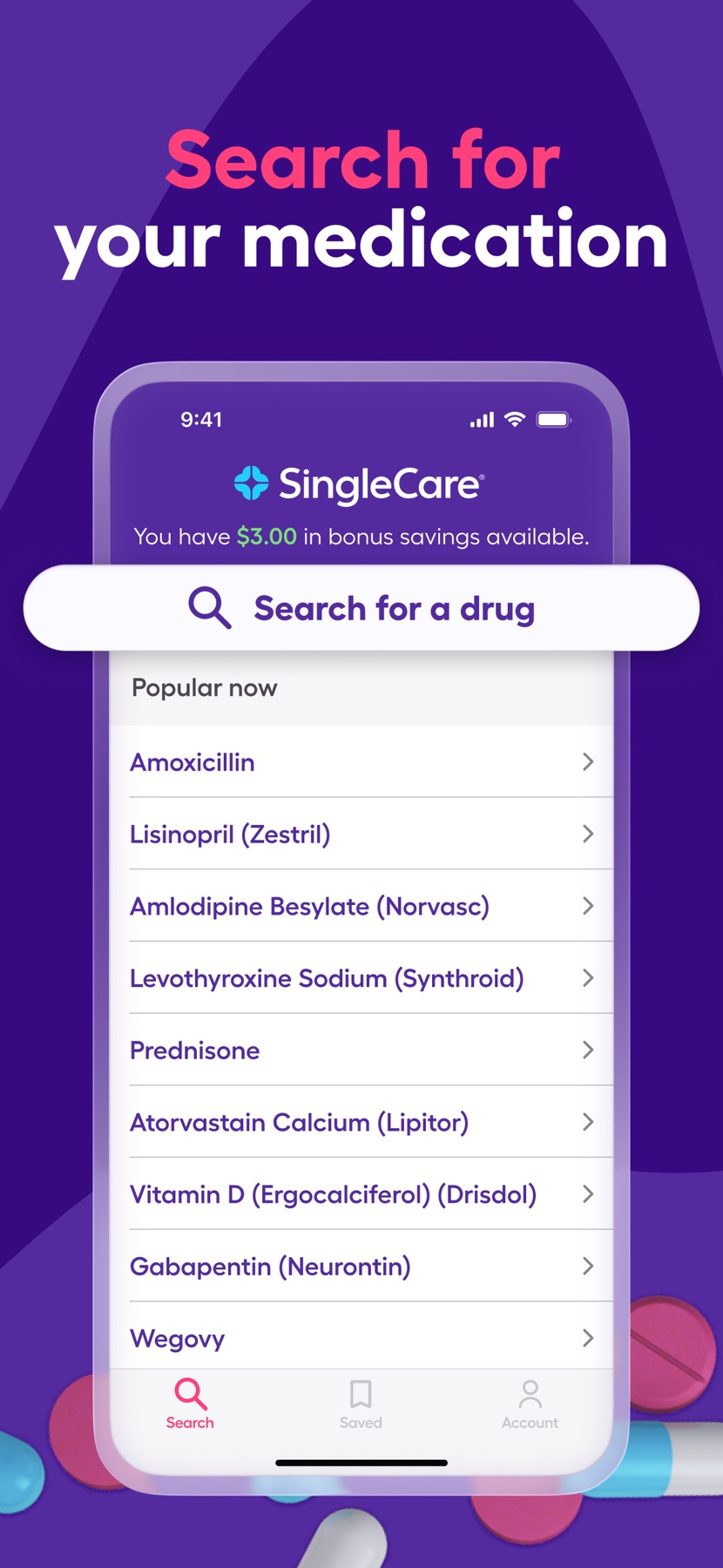
The company is a prescription savings service, the consumer brand of healthcare technology business RxSense. Its website and mobile apps let people look up a medication, compare participating pharmacies and save a coupon. The customer pays the pharmacy. SingleCare supplies access to a negotiated price. A small piece of familiar-looking paperwork introduces a second route through an expensive purchase.
The official-looking price
The audience includes uninsured people, people with high deductibles and insured customers whose plans leave particular medicines expensive or uncovered. Insurance status alone does not decide whether the service helps. The useful unit of comparison is one prescription: this drug, this strength, this quantity, at this pharmacy. The answer can change on the next refill.
SingleCare advertises savings of up to 80% against retail cash prices. That phrase needs its full wardrobe: “up to,” and “cash prices.” It does not mean every patient saves 80%, or that an insured customer gets 80% off a copay. The more durable promise is visibility. You can inspect another price before agreeing to the first.
Up to 80% off retail cash prices.
Actual savings vary.
“What does
my exact
prescription
cost here?”
Before the coupon, a bigger ambition
Founded in 2014, SingleCare originally described a much broader shopping expedition. Its April 2016 Philadelphia launch announcement offered an online marketplace for prescription drugs, doctor visits, dental care and telehealth. It reported more than 7,000 Pennsylvania residents served and a regional network exceeding 4,400 providers. Consumers could compare published prices and book care.
That early proposition treated routine healthcare like a retail purchase. Today, the consumer pitch concentrates on prescriptions. The contrast is instructive: a sprawling category has become a repeatable task. Search a medicine. Pick a pharmacy. Show a coupon. You need considerably less explanation to teach someone three actions than to introduce a new way of buying healthcare.
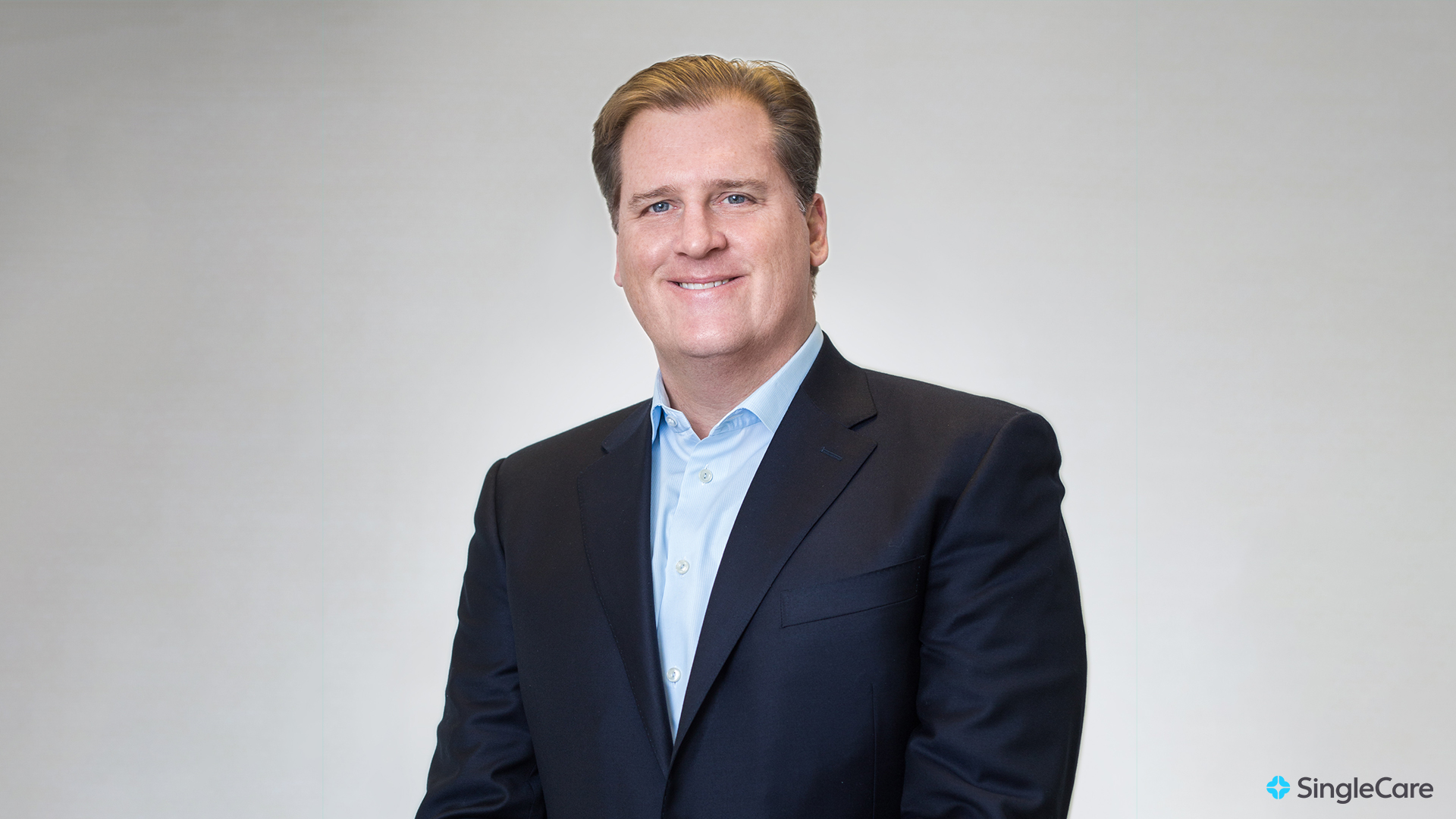
Rick Bates, SingleCare’s co-founder and RxSense’s CEO, came from pharmacy-benefits leadership. In a 2022 interview, he described learning that markets and customers do not necessarily respond as expected. It is a useful admission from someone selling clarity: understanding an industry does not make its customers predictable.
“I never realized how often I was wrong.”
Rick Bates · 2022 interview
Free is a business model
The consumer pays no service subscription, and optional membership is also free. SingleCare says pharmacy partners pay it a small fee when someone uses its card to save. Pharmacies gain an opportunity to attract a purchase. Patients gain an alternative price. The company earns money when those two interests meet at a completed transaction.
SingleCare emphasizes direct contracts with pharmacies, including CVS, Walgreens and Walmart. RxSense’s technology handles claims processing and adjudication behind the consumer interface. That combination helps explain its positioning against alternatives such as GoodRx: the company’s stated distinction is the route through which it arranges prices. It still leaves consumers with a comparison to make.
In May 2020, Parthenon Capital announced an investment in RxSense; the terms were undisclosed. The parent also serves enterprise pharmacy-benefits customers. Those businesses share infrastructure, but the distinction matters: a consumer using SingleCare is shopping for a prescription discount, rather than buying the parent’s software or enrolling in an insurance plan.
A card still needs a conversation
Distribution is partly a question of trust. United Way organizations promote SingleCare through the former FamilyWize savings program. A community worker or pharmacist can explain a card at the moment a patient hesitates over a bill. That explanation gives the product a human introduction, particularly for someone who suspects that “free” must conceal a catch.
There is expertise around the transaction, too. SingleCare publishes The Checkup, with content reviewed by medical professionals, and produces provider education about savings cards. A June 2026 update asks clinicians to compare pharmacy cash prices, insurance copays and coupon prices. The practical lesson is pleasantly unglamorous: help someone understand the purchase already in front of them.
The arithmetic has fine print
SingleCare cannot be combined with insurance for the same fill. Coupon purchases do not automatically count toward an insurance deductible. A lower price today therefore deserves a second look from someone tracking annual coverage costs. Insurance, manufacturer assistance and another pharmacy’s cash price may offer a better deal. The card is an option, not a universal winner.
Displayed prices also require care. SingleCare’s help page says local availability and different manufacturers can produce differences at checkout. Its discounts depend on participating pharmacies. Brand versus generic, dosage, formulation and quantity all matter. Optional member savings add another wrinkle: eligible bonuses are associated with the account holder, even though the basic card can be shared.
A habit worth borrowing
For a patient, the copyable habit is straightforward. Search the exact prescription and location. Compare the coupon with the copay and cash price. Save the pharmacy-specific coupon, and ask the pharmacist to confirm the transaction. Recheck before the next fill. SingleCare’s contribution is making this comparison accessible; the decision still belongs to the person paying.
For a founder, the lesson is equally concrete: give people an easier question to ask at a familiar moment. SingleCare reports millions of users and billions in medication savings. Beneath those company-reported totals is an ordinary act with unusual consequences. Before handing over the money, someone asks whether there is another price.