Eric Kinariwala went to the pharmacy because he was ill. In his telling, it was a snowy January day in 2015, and a sinus infection had sent him out for a prescription. The pharmacy was downstairs. The escalator was broken. There was a queue. After an hour, he reached the counter and learned that the medication was out of stock. He went home empty-handed. The doctor had done the prescribing. The patient had done the travelling. Somewhere between the two, the system had misplaced its purpose.
- Capsule fills prescriptions and delivers them free in supported markets.
- Its useful trick is coordinating doctors, insurers, refills and patients.
- Large funding rounds bought expansion; operating difficulties tested the promise.
That failed errand became the origin of Capsule. Founded in 2015 and publicly launched in New York in May 2016, the company made the trip itself negotiable. You could send a prescription, receive a text and choose a delivery time. It was an appealing proposition for anyone who had ever felt that being sick ought to excuse them from administrative work.
A text message with a pharmacy behind it
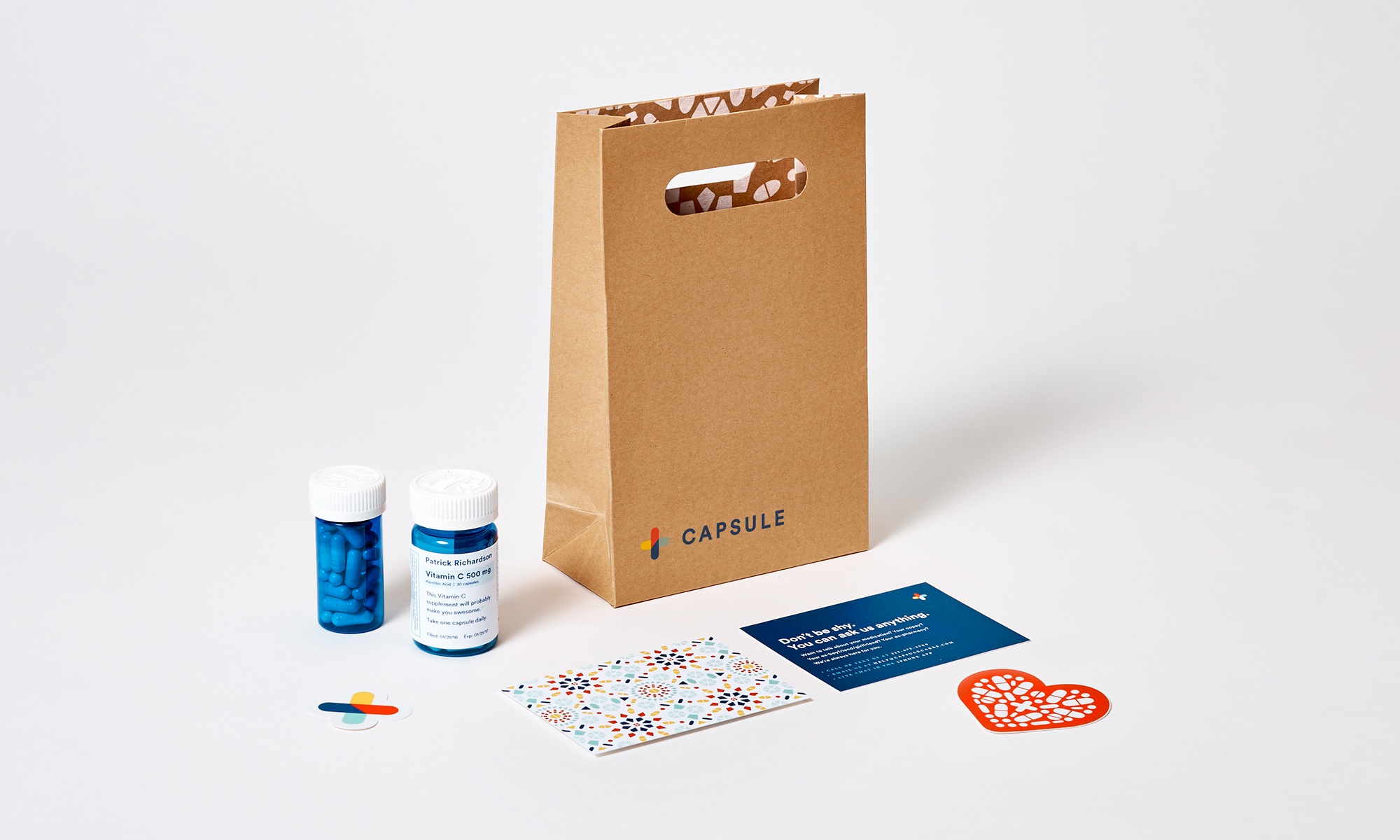
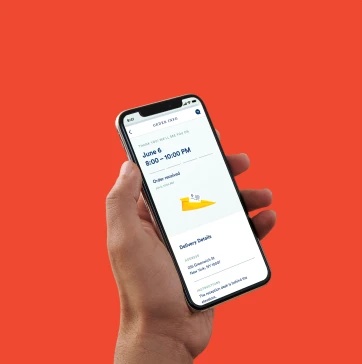
Capsule is a pharmacy with a digital entrance. It receives prescriptions, dispenses medication, processes insurance and arranges delivery. Patients can ask a doctor to send a new prescription or request a transfer from an existing pharmacy. There are apps, but the interaction can be simpler than that. A text announces that the prescription is ready; the patient handles payment and scheduling.
The attraction is continuity. A purchase may be brief, but a medication routine keeps returning. Capsule’s smart refill service coordinates with doctors and insurers, then contacts the patient. Pharmacists are available through private chat or text. Family medication management, counseling, medication synchronization and temperature-controlled delivery are among the services described in its patient guidance. The task is to keep the next prescription from becoming another small emergency.
Consider the people for whom this arrangement might matter: a parent managing several prescriptions, a worker whose lunch break cannot accommodate a queue, someone taking recurring medication. These are examples of the service’s likely usefulness, rather than a claim about its customer mix. Capsule reported about 60,000 New York customers in 2019. The appeal is easy to picture; that historical figure does not tell us today’s scale.
- 01PrescriptionDoctor or old pharmacy
- 02CoordinationCapsule fills and bills
- 03DeliveryYou choose the slot
The pharmacist before the platform
Kinariwala had worked in healthcare and retail investing. Sonia Patel, Capsule’s co-founder and founding chief pharmacist, had worked inside pharmacies, including troubleshooting underperforming Walmart locations. Its press kit describes two old friends bringing different views of the same problem. One understood the business surrounding the counter. The other understood what happened behind it. That pairing gave the company a practical starting point.

“Make it simple, and do it with a partner.”
Eric Kinariwala
Quoted by PYMNTS, 2017
The personality followed the operating idea. Capsule calls people “dear”; its public language favours looking after people. In an Inc. interview, Kinariwala explained that care should be felt in the courier interaction, a text reply, a phone conversation and the app. This is a demanding brand position. A friendly typeface is easy to purchase. A reassuring answer about a prescription requires somebody who can actually help.
The same principle extends into a doctor’s workflow. Duly Health and Care’s integration lets patients select Capsule through a pre-visit message. After a prescription arrives, Capsule texts them to see the medication and copay and arrange delivery. Duly explicitly says the app is optional. That detail is instructive: a digital service can succeed by asking people to learn less.
Free to you, expensive to build
Capsule advertises free same-day delivery and the patient’s usual insurance copay. Its current website says it accepts commercial insurance, Managed Medicaid and Medicare Part D. The business earns money through pharmacy transactions, including patient payments and insurer reimbursement. Couriers, pharmacists, inventory and software still cost money. Removing a charge from the checkout screen does not remove it from the business.
Three rounds. $550 million.
Selected announced financings, not revenue or total lifetime funding.
A $50 million round in 2018 was followed by $200 million in 2019, led by TCV. In April 2021, Durable Capital Partners led a $300 million round, with Baillie Gifford, T. Rowe Price and Whale Rock participating. The announced valuation exceeded $1 billion. Capsule also described an ambition to connect consumers with a broader collection of healthcare services. That was a plan, rather than evidence that every service had arrived.
Then the surroundings changed. During the funding downturn, Fierce Healthcare reported July 2022 layoffs affecting 13% of Capsule’s workforce. Sales, engineering, operations and expansion were among the departments affected. In 2023, The Information reported that Capsule’s New York automation rollout caused delivery delays. The lesson is plain enough: convenience depends on physical operations working every day. Raising money cannot make that requirement disappear.
The useful part to borrow
Capsule occupies a competitive space alongside Alto, Amazon Pharmacy, retail chains and independent pharmacies. Its pitch combines delivery with a reachable pharmacist and help coordinating the prescription. Delivery alone is an increasingly familiar feature. The distinctive wager is that taking responsibility for the surrounding chores creates a relationship worth keeping.
There are conditions attached. Same-day delivery requires a supported ZIP code, a prescription ready to fill and someone available to receive it. Insurance approval and stock availability still matter. Duly’s guidance, for example, says Tricare is not accepted. Patients should check their particular coverage and delivery area. A promise built around convenience is only useful when it fits the actual prescription and the actual doorstep.
For other businesses, the copyable idea is to follow the customer beyond the obvious transaction. Find the call they must make afterwards, the form they must chase, the handoff nobody owns. Capsule’s origin story began with a pill that was missing from a shelf. Its enduring question is why the person least equipped to fix the system should have to spend the afternoon trying.