BREAKING
Shreya Shekhar becomes Greylock Partner at 23  |  Former founding engineer now writing checks at top Silicon Valley VC  |  Greylock backs Tenzai, AI cybersecurity startup  |  UC Berkeley M.E.T. grad with EECS + Business degrees  |  She coded the distributed crawler - now she funds what competes with it  |  Angel investor in Mercor and Composite  |  Featured in Berkeley Haas Magazine Spring 2026  |  Investment focus: AI, Cybersecurity, Infrastructure, Developer Tools  |  Shreya Shekhar becomes Greylock Partner at 23  |  Former founding engineer now writing checks at top Silicon Valley VC  |  Greylock backs Tenzai, AI cybersecurity startup  |  UC Berkeley M.E.T. grad with EECS + Business degrees  |  She coded the distributed crawler - now she funds what competes with it  |  Angel investor in Mercor and Composite  |  Featured in Berkeley Haas Magazine Spring 2026  |  Investment focus: AI, Cybersecurity, Infrastructure, Developer Tools  | 
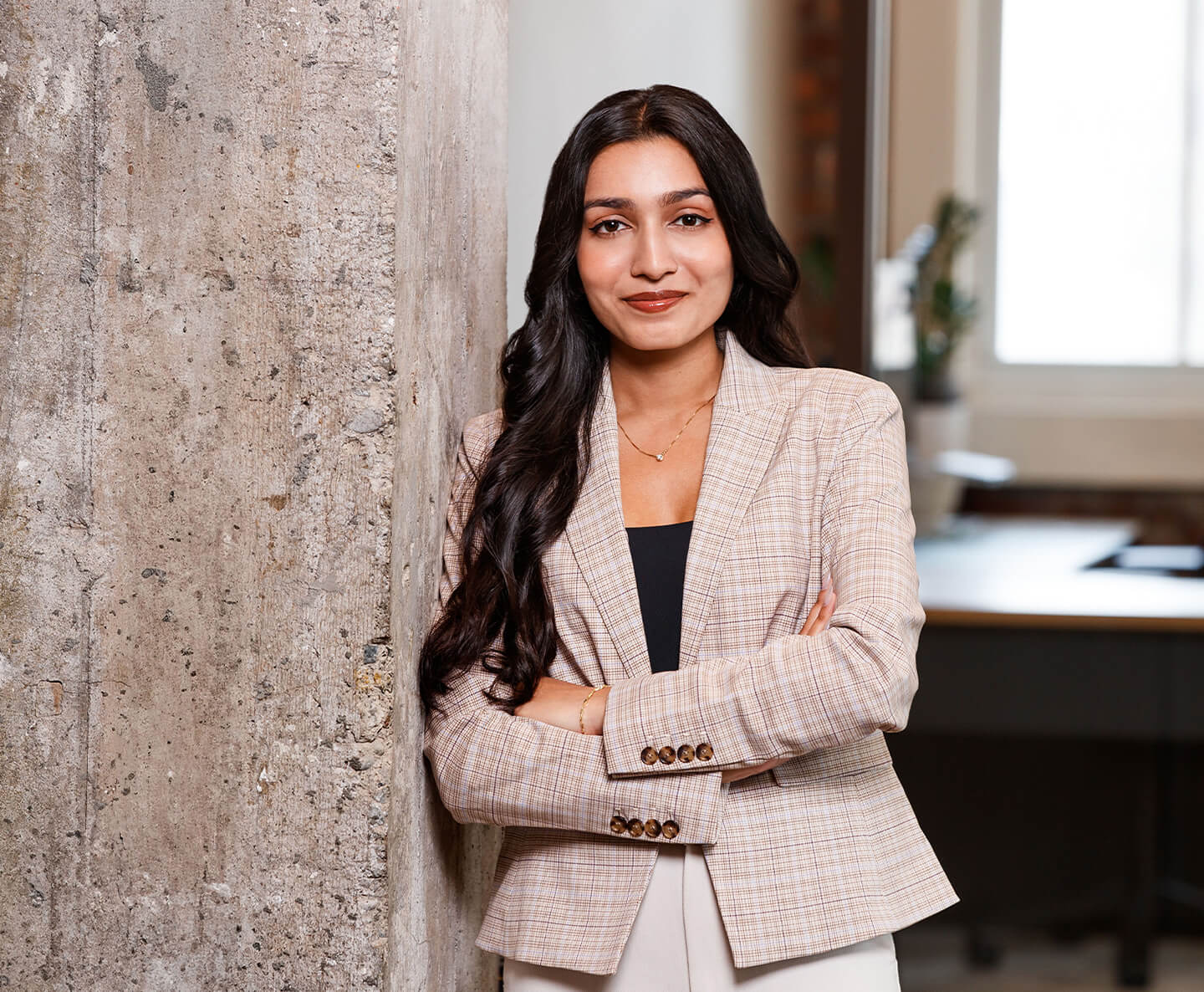
Shreya Shekhar, Partner at Greylock Partners
Partner, Greylock Partners

Shreya
Shekhar

The engineer who crossed the table - and Silicon Valley noticed.

VC Partner AI & Cyber Age 23 Berkeley M.E.T.

She didn't arrive at venture capital. She arrived at Greylock - a firm she'd worked inside, built for, and studied for years. The youngest partner at one of Silicon Valley's most storied funds, Shreya Shekhar brings something most VCs only claim: she's actually done the work.

23 Age at Partnership
3 Greylock Portfolio Co.'s as Operator
2 Degrees from UC Berkeley
3.5 Years to Graduation
5+ Internships in College

She Built It Before She Funded It

The email that changed everything came from a firm she already knew cold. By April 2025, Shreya Shekhar had worked inside three Greylock portfolio companies - interning at Rockset and Abnormal Security, then spending over two years as founding engineer at Bedrock Security, the data security startup incubated inside Greylock's Menlo Park offices. When the partnership offer arrived, Greylock wasn't taking a chance on an outsider. They were making the obvious move.

The fact that she was 23 made headlines. The fact that she'd built a distributed crawler from scratch, led AI agent development for vulnerability remediation, and watched dozens of early-stage companies up close did not - but it should. In venture capital, most partners have opinions about what makes a great founding team. Shreya has data.

At 16, in an AP Language class in San Jose, Shreya Shekhar read Nick Bostrom's Superintelligence. She put the book down and signed an open letter against autonomous weapons. Then she went home and started figuring out how to be inside the room where AI was being built. "One day, maybe this name will mean something here," she thought. That was a big turning point. Most teenagers read Bostrom and get anxious. Shreya got ambitious.

Growing up in San Jose, surrounded by neighbors who worked in tech, she had no illusions about where power was concentrated - and no patience for watching from the outside. At BASIS Independent Silicon Valley, the intellectual curiosity that her teachers would later describe as a defining trait was already organizing itself around a single question: what does it take to build something that matters?

UC Berkeley's M.E.T. program - the competitive dual-degree track combining Electrical Engineering & Computer Science with Business Administration - was the obvious next move. She finished in 3.5 years. Along the way she co-founded Good Neighbor, a pandemic-era startup that delivered food from struggling restaurants at discounted prices. She ran the deliveries herself. After 18 months, the co-founders dissolved the company - recognizing, with unusual clarity for people their age, that it wasn't worth dropping out of school for. She calls it a clean ending. It was actually a prototype: learn fast, adapt, move.

The internship years were deliberate. Rockset. Glean. Abnormal Security. Meta. Five companies, compressed into her final year of college. She was also selected for the Accel Scholars and Kleiner Perkins Fellows programs, two of the most selective student pipelines in Silicon Valley. Greylock's Techfair - an annual recruiting event for top engineering students - brought her into the orbit of the firm that would eventually hire her as a partner.

If you want to be successful in venture, you need to develop your own differentiated viewpoint that actually comes from your knowledge and deep thinking.

- Shreya Shekhar

Bedrock Security was the crucible. As a founding engineer, she didn't just write code - she helped build the company. Her distributed crawler underpinned the core product. Her AI agents for vulnerability remediation pointed at where the market was heading. And she watched, from the inside, how an early-stage company navigates the distance between great technology and a business that scales. That vantage point is now her edge as an investor.

While still at Bedrock, she started writing checks. Angel investments in Mercor (an AI hiring platform) and Composite, plus essays on AI automation in security and agent orchestration, signaled that the table-crossing was already underway. By the time Greylock made the call, she'd been practicing the job for two years.

At Greylock, her investment philosophy is shaped by a specific kind of founder she recognizes: the one who can hold groundbreaking technology and market-fit thinking in the same hand without dropping either. She backs early-stage founders in AI infrastructure, cybersecurity, and developer tooling - the boring-sounding categories that every important application eventually runs on. Her first major deal as partner: leading Greylock's investment in Tenzai, an AI-native cybersecurity firm building autonomous AI hackers to identify and remediate enterprise vulnerabilities. She knows the problem domain. She's run the crawlers that found the gaps.

Beyond the code and the capital, Shreya performs Indian classical dance and paints. She cites Sheryl Sandberg - whom she encountered at a fireside chat arranged by M.E.T. founding donor Michael Grimes - as an early role model, not for the fame but for demonstrating that technical leadership and organizational leadership could live in the same person. That's the template she's building toward.

One metric matters most to her right now: proving herself in a role that few women in Silicon Valley hold at any age, let alone at 23. She doesn't rest on the headline. She runs toward the next problem. That orientation - toward action, toward building, toward the uncomfortable edge of what's possible - is exactly why Greylock hired her. And exactly why the headline, when it came, surprised no one who'd been paying attention.

Where She Bets

Category 01
AI Infrastructure

Databases, compute layers, and the plumbing that AI applications run on. She knows this from the inside - she built on it.

Category 02
Cybersecurity

AI-native security tools, autonomous threat detection, and vulnerability remediation. Her domain from two years building at Bedrock.

Category 03
Developer Tooling

Tools that make engineers faster, safer, and more capable. She's been the end user. She knows what's actually missing.

Category 04
Early Stage

Seed to Series A. Pre-product-market-fit. The moment before the story is obvious to everyone - which is exactly when she wants in.

Companies She's Backed

Tenzai - AI-native cybersecurity. Autonomous AI hackers that find and fix enterprise vulnerabilities before attackers can.

Mercor - AI-powered hiring platform. Angel investment while she was still an engineer at Bedrock.

Composite - Early angel bet. Backed by the same instinct that led her to Greylock: conviction before consensus.


Speed Run: San Jose to Greylock

2016
Reads Nick Bostrom's Superintelligence at 16 in AP Language class. Signs an open letter against autonomous weapons. Starts working at Stanford scientific research labs.
2019
Enrolls in UC Berkeley's M.E.T. dual-degree program - one of the most competitive engineering-business programs in the US.
2020-2021
Co-founds Good Neighbor during the pandemic: discounted food delivery from struggling restaurants. Runs the deliveries herself. Dissolves after 18 months - a clean, deliberate exit.
2021-2022
Selected for Accel Scholars and Kleiner Perkins Fellows. Attends Greylock's Techfair. Interns at Rockset, Glean, Abnormal Security, and Meta across her final year.
2023
Graduates UC Berkeley M.E.T. in 3.5 years (EECS + Business Administration). Immediately joins Bedrock Security as founding engineer.
2023-2025
Builds Bedrock's distributed crawler from scratch. Leads AI agent development for vulnerability remediation. Begins angel investing in Mercor and Composite. Writes publicly on AI in security.
April 2025
Joins Greylock Partners as Partner. Focus: AI, Cybersecurity, Infrastructure, Developer Tooling. Age: 23.
2025
Leads Greylock's investment in Tenzai - autonomous AI hackers for enterprise security. First major deal as partner.
Spring 2026
Featured in UC Berkeley Haas Magazine. Continuing to build Greylock's early-stage AI portfolio.
Operator Background

What separates Shreya from most investors her age isn't just intelligence or network. It's the 2.5 years she spent as a founding engineer - not a summer intern, not a product manager - but someone who shipped production code that customers depended on.

She built the distributed crawler. She led the AI vulnerability agents. She felt the pressure of an early-stage company trying to find product-market fit from the inside.

Now she looks at early-stage companies and sees what others miss - because she's been there.

What She Says

"If you want to be successful in venture, you need to develop your own differentiated viewpoint that actually comes from your knowledge and deep thinking."

On building a VC edge

"If you can't beat 'em, join 'em - I advocate for a cyborg-esque future where humans and AI collaborate symbiotically rather than competitively."

On AI and humanity

"After being at 3 of Greylock's portfolio companies over the past few years, this feels a lot like coming home. I've learned countless lessons."

On joining Greylock, April 2025

"One day, maybe this name will mean something here. This was a big turning point for humanity."

On AI at 16, after reading Bostrom

The Details That Don't Fit Anywhere Else

🍂
The Bostrom Moment
Read Superintelligence in AP Language class at 16. Signed an open letter against autonomous weapons that same year. Most teenagers worry about exams.
🍽
The Startup That Wasn't
Co-founded Good Neighbor in the pandemic - food delivery from struggling restaurants. Ran deliveries herself. Dissolved it after 18 months when it wasn't worth dropping out for. Rare self-awareness.
🍀
The Artist
Sketches, paints, and performs Indian classical dance. Not a fun fact to put on a VC profile. Her choice to include it says something.
🎓
The Speedrun
5 internships. 2 degrees. 3.5 years. One startup. Two fellowship programs. All before she could legally rent a car in most US states.
💻
The Crawler
Built Bedrock Security's distributed crawler from scratch as a founding engineer. Now she evaluates companies that build infrastructure like that. Unfair advantage.
🎯
The Signal
She met Greylock through their Techfair as a student. Then interned inside two portfolio companies. Then joined a third as founding engineer. By the time they hired her, the answer was obvious.

What She Looks For

Shreya backs founders who can navigate two things simultaneously: groundbreaking technology and scalable product-market fit. Not one or the other - both at once. She's seen what happens when founders optimize for only one axis, and she knows the specific moment when the balance tips.

Founder-market alignment matters to her more than most. Not the resume kind - the lived-in kind. The founder who has operated inside the problem, not just studied it. The engineer who knows the production edge cases. The builder who's felt the customer pain in their own systems.

She pays attention to co-founder dynamics in ways that go beyond "do they get along." She's been inside early-stage companies. She knows how co-founder dysfunction shows up 18 months in, and she watches for early signals long before the company has data to obscure them.

On portfolio support: she operates as a partner across strategy, sales, and recruiting - not a board member who shows up quarterly. That's the Greylock model. It's also what she needed when she was on the other side of the table.

What She Backs
Founders with deep domain knowledge
Early-stage (seed to Series A)
AI infrastructure and tooling
Cybersecurity - AI-native approaches
Developer tooling that engineers love
Technical founders who can sell
Category-creating companies

Links & Sources