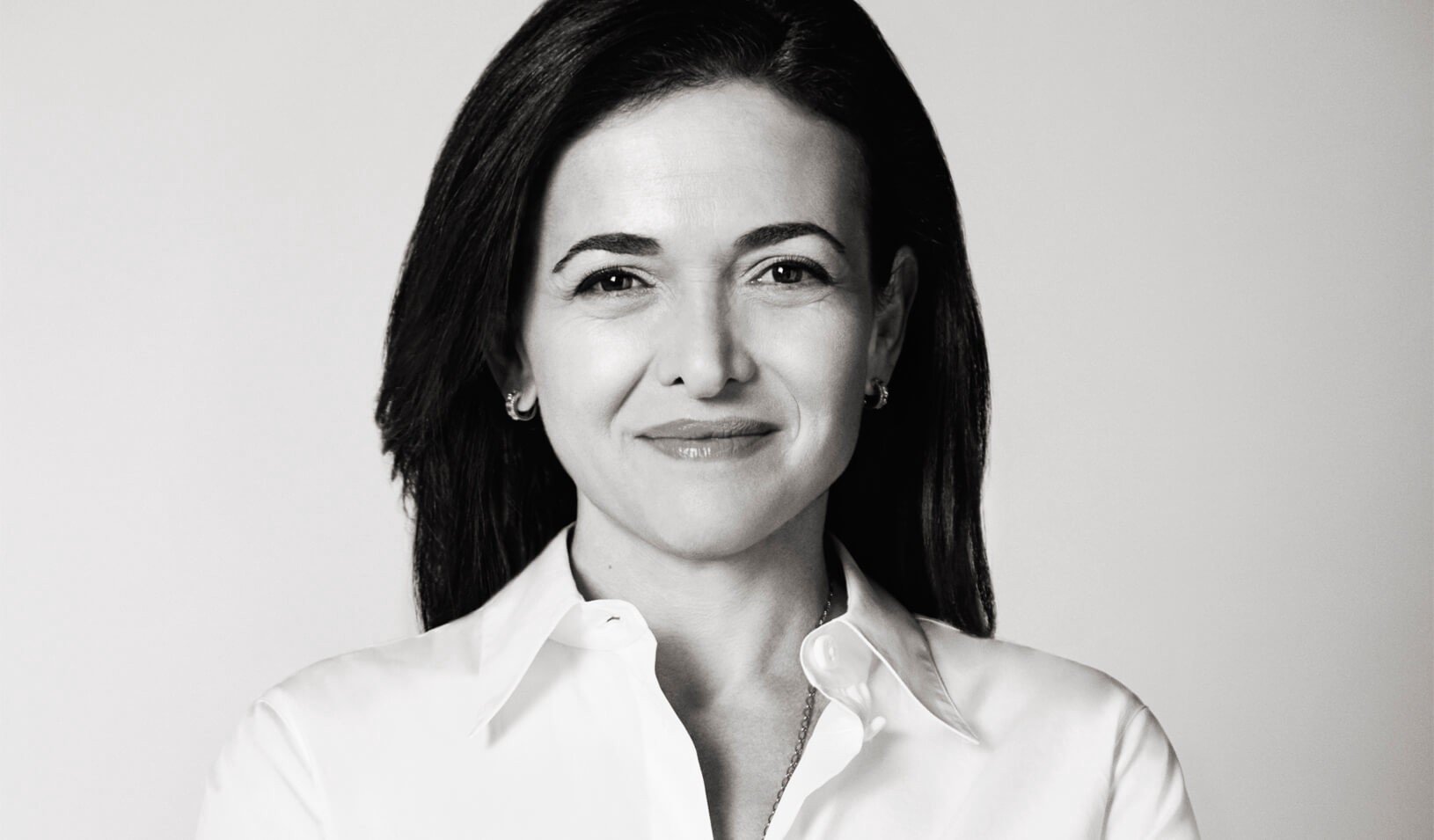
Four companies. That's it. That's the entire portfolio.
While most venture capitalists brag about their 20-30 portfolio companies, Sheryl Sandberg and her husband Tom Bernthal run Sandberg Bernthal Venture Partners like a monastery with a velvet rope. Since launching in 2021, they've written checks to exactly four startups. One - Pigment - is already a unicorn. Maven Clinic sits at $1.7 billion. Guild Education at $4.4 billion. The math doesn't lie, and neither does Sandberg's track record of ruthless prioritization.
"I strongly believe in ruthless prioritization," she once said, "only focusing on the very best ideas." This isn't a motto she painted on an office wall. It's how she turned Facebook profitable in two years when everyone said it couldn't be done. It's how she picked AdWords and AdSense at Google and watched them become money printers. It's how she reads a startup pitch deck now.
In March 2026, she joined the board of Nscale, a British AI data center startup. Her reason? "It reminds me of early Facebook." When Sheryl Sandberg says something reminds her of early Facebook, founders pay attention. She was there when Facebook had zero revenue and a college kid CEO who wore hoodies to pitch meetings. She left when it was worth over a trillion dollars.
The notebook tells the story better than the resume. Sandberg carries a physical pen-and-paper notebook everywhere. Always has. In meetings with Marc Zuckerberg about billion-dollar ad strategies, she wrote in that notebook. At Treasury Department briefings as Lawrence Summers' chief of staff, she wrote in that notebook. At 25-year-old startup CEO meetings now, she writes in that notebook. When every item on a page gets crossed off, she takes "great joy" in turning to a fresh page and starting again.
This is the detail that matters. Not that she went to Harvard (though she did, graduating summa cum laude as the top economics student in her class). Not that she has an MBA (though she does, from Harvard Business School with highest distinction). The notebook matters because it reveals how someone thinks. Sandberg thinks in lists. In priorities. In things that can be crossed off when they're done.
Her current to-do list looks something like this: Close the AI gender gap. Build Sandberg Bernthal Venture Partners into the most selective operator-led fund in Silicon Valley. Serve on Meta's board. Serve on Nscale's board. Run LeanIn.org with a new 25-year-old CEO named Bridget Griswold, hired specifically to tackle AI equality. Endow scholarships. Give commencement speeches. Watch bad TV to unwind.
That last one isn't a joke. She admits it publicly. After days spent analyzing AI business models and advising billion-dollar platforms, Sheryl Sandberg relaxes by watching what she calls "bad TV." The cognitive dissonance is the point. High performers don't perform high all the time. They know when to turn it off.
Leadership is about making others better as a result of your presence and making sure that impact lasts in your absence.
- Sheryl SandbergLet's talk about the silver leotard. Before Sheryl Sandberg became a billionaire, before she made Facebook profitable, before she built Google's ad empire, she taught step aerobics at Harvard. Not as a side gig for rent money. As a thing she did because she wanted to. Silver leotard. Leg warmers. Shiny headband. The works. Picture that: the future COO of Facebook leading undergrads through grapevines in full 80s regalia.
The detail is funny until you realize what it means. Sandberg has never been afraid to look ridiculous while doing something she believes in. That quality - call it courage, call it conviction, call it not giving a damn what people think - showed up again when she wrote Lean In in 2013. Critics called her out of touch. Detractors said she was simplifying complex systemic issues. She published anyway. The book became a movement. LeanIn.org now operates in over 180 countries.
When her first husband Dave Goldberg died suddenly in 2015 - an arrhythmia during a vacation in Mexico - Sandberg could have disappeared from public life. Instead, she wrote Option B: Facing Adversity, Building Resilience, and Finding Joy with psychologist Adam Grant. She wrote about grief. About showing up for her kids. About the brother of her late husband introducing her to Tom Bernthal, who would become her second husband. About their 2022 wedding as "the seven of us" - her two kids, his three kids, the two of them - blending a family.
That wedding had a detail that could break your heart if you let it. Rob Goldberg, Dave's brother, co-officiated the ceremony. He called it "as close to Dave's blessing" as possible. This is what resilience looks like in practice. Not moving on. Moving forward while carrying everything that came before.
The Facebook chapter is too well-known to belabor, but the lesser-known parts matter. Sandberg met Mark Zuckerberg at a holiday party in 2007. She was at Google, already successful. He was running an unprofitable social network used mostly by college students. They talked. He offered her the COO job. She took it in March 2008. By late spring 2008, Facebook's leadership had agreed on advertising as the revenue model. By 2010, Facebook was profitable. By 2012, Sandberg had led them through a successful IPO and become the first woman on Facebook's board.
What's less known: she'd already done this once at Google. Joined in 2001 as general manager. Built AdWords. Built AdSense. Turned Google into a profitable advertising company before doing the exact same thing at Facebook. When people call you lucky once, it's luck. When you do it twice, it's pattern recognition. When you then start a VC firm that hits unicorns with four total investments, it's a skill.
She stepped down as Meta COO in 2022. Left the board in 2024 with a $1.6 billion fortune from her Meta shares. She didn't retire to an island. She doubled down on early-stage investing and backed Lean In's refocus on AI equality. In April 2026, she handed Lean In's CEO role to Bridget Griswold, a former Meta product manager young enough to be her daughter. The move makes sense when you remember Sandberg's definition of leadership: making others better in your presence and making sure that impact lasts in your absence.
Here's what Sandberg believes about careers: They're a jungle gym, not a ladder. This metaphor has been quoted so many times it risks becoming wallpaper. But watch what she's actually done. World Bank (fighting leprosy in India). McKinsey (consulting). Treasury Department (chief of staff to the Secretary). Google (ads). Facebook (COO). Venture capital (operator-led fund). Nonprofit leadership (gender equality). Board positions (AI infrastructure). That's not a ladder. That's someone swinging from bar to bar, choosing direction based on what looks interesting, not what looks like the next rung up.
She co-founded "Women in Economics and Government" at Harvard as an undergrad. Worked for Lawrence Summers at the World Bank, then followed him to Treasury when he became Secretary. Brought her operational expertise to Google's ad products. Brought that same expertise to Facebook. Now brings it to Nscale and her VC portfolio. The pattern isn't climbing. It's compounding.
In May 2026, she endowed a scholarship at Camp Ramah in California in honor of Dave Goldberg. The scholarship funds 30 children with the greatest financial need to attend summer camp, not just this year but "for many decades to come." The gesture is quintessentially Sandberg: strategic philanthropy with operational thinking. Not a one-time donation. An endowment. Not vague impact. Specific numbers. Thirty kids. Every summer. Forever.
In the future, there will be no female leaders. There will just be leaders.
- Sheryl SandbergThe Silicon Valley climate is, in Sandberg's words, "one of the worst" she's seen. She said this in December 2025 on a CNBC podcast, referring to corporate culture around women's advancement. She's not wrong. But here's the interesting part: instead of just complaining, she's doing what she always does - crossing items off the list. Appointed a 25-year-old CEO to run Lean In with an AI equality mandate. Invested in companies led by operators who get it. Joined boards where she can influence culture from inside. Gave millions to causes that change structural realities.
People sometimes mistake Sandberg's data-driven approach for coldness. They're wrong. The woman who wrote openly about being called "bossy" as a girl and feeling ashamed. Who admitted to self-doubt despite being near the top of her Harvard class. Who wrote a book about grief and resilience after losing her husband. Who watches bad TV and keeps a paper notebook and taught aerobics in a silver leotard - that's not cold. That's clear-eyed optimism, which she describes as "facing reality while maintaining hope."
She has a poster in her office, a gift from Starbucks founder Howard Schultz. It reads: "The future belongs to the few of us still willing to get our hands dirty." The phrase could mean a lot of things. It could mean doing the hard operational work that doesn't scale. It could mean making tough prioritization calls. It could mean investing in only four companies when everyone else invests in thirty. It could mean all of those things at once.
So where is Sheryl Sandberg now? Running a family office VC firm with her husband. Serving on two major boards. Reshaping Lean In for the AI era. Funding scholarships. Speaking at commencements. Probably writing in that notebook. Definitely watching some bad TV. And - this is the part that matters most - making a bet that the same pattern recognition that worked at Google and Facebook will work again in AI-native infrastructure and platforms.
Four companies. One already a unicorn. Two more at valuations that make most VCs weep with envy. And a fourth that hasn't announced yet but probably should. When Sheryl Sandberg says Nscale reminds her of early Facebook, what she means is: I've seen this movie before. I know how it ends. I helped write the ending last time. I'll help write it again.
The notebook is probably already full of crossed-off items and new priorities. The next page is blank and waiting. That's how jungle gyms work. You swing to the next bar when you're ready, not when someone tells you to climb.