The first distribution fleet for Shoe Crazy Wine was a foam beach cooler on wheels. Gwen Hurt loaded it with bottles, carried an elevator pitch and walked into the wine shops, restaurants and markets around Richmond that had already told her no. It was neither scalable nor glamorous. It was, however, moving wine.
That distinction matters. Shoe Crazy began in 2013 as an e-commerce brand, a sensible plan until customers reached checkout. The bottles were heavy. Buyers wanted free shipping. A young company could not afford to make the freight disappear, so full digital carts were abandoned at the virtual door. Then came a second wall: distributors who would not take the brand. Hurt has written about the hostility she encountered as a Black woman in a trade whose gatekeepers did not look like her. She could wait for approval, or she could become the missing piece of the supply chain.
She chose the cooler. The company's most useful idea was not a wine blend. It was the decision to treat distribution as a job the founder could temporarily do herself.
The business began in a very bad week
Hurt came to wine from information technology, not a vineyard. In 2013, after more than 15 years with her employer, she was downsized while working abroad. Back in Virginia, she and her daughter Brittny were struck from behind at a red light while heading to clear out Hurt's office. The collision badly injured both women and led to roughly a year of physical therapy.
During recovery, Hurt reached for an old interest. A Christmas winemaking kit in 2006 had produced 120 bottles of Chianti and a fascination with the mechanics of wine. Brittny suggested naming the company after something her mother loved. Shoes had emotional weight: Hurt grew up in a single-parent family of six where one pair had to last a year. The proposed name was playful but not random. Shoe Crazy Wine was born at the intersection of scarcity, taste and a good shelf silhouette.
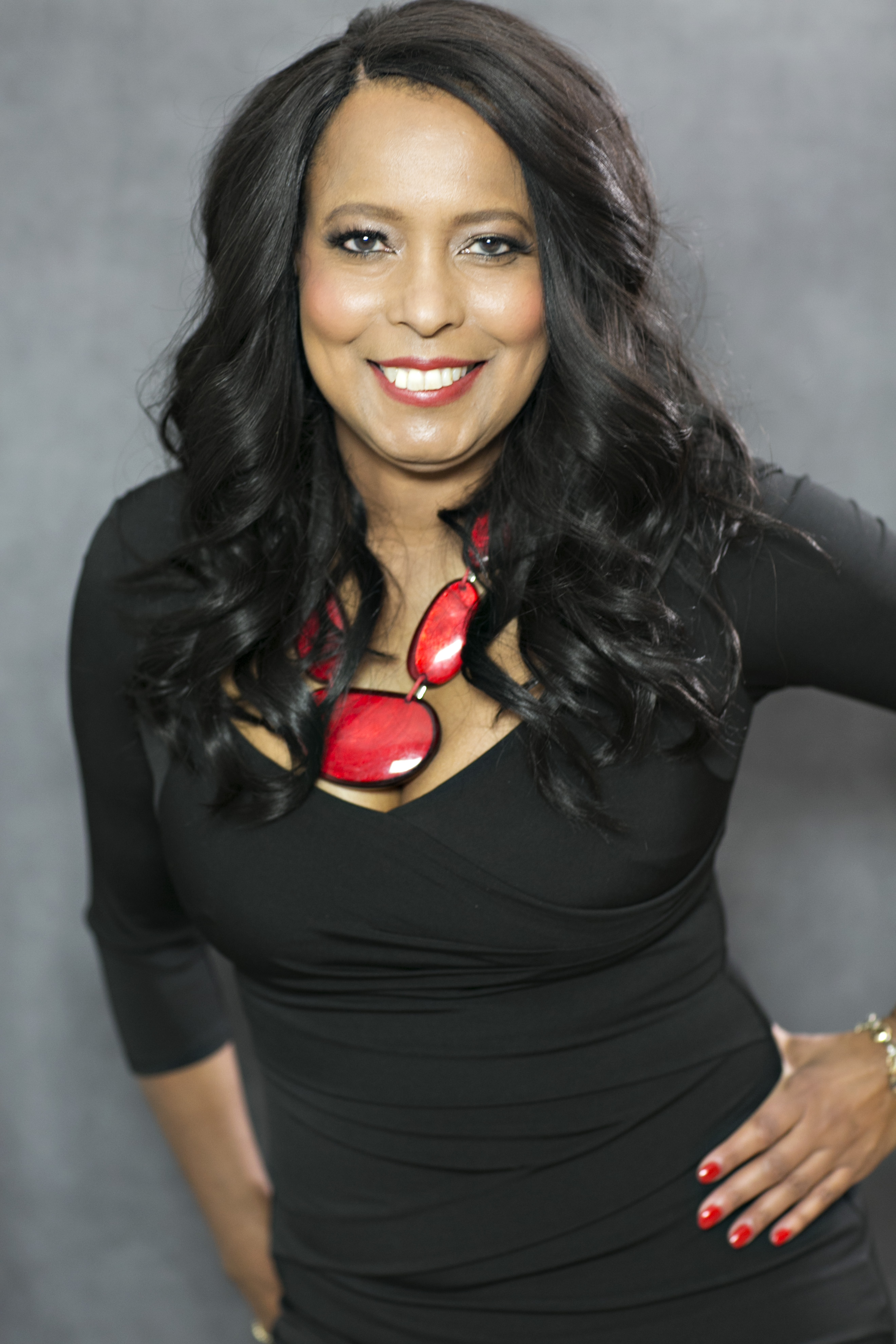
Brittny became co-owner and head of marketing. The wider family joined too: public company profiles have named sons Ron and Daniel, finance and operations executive Edwin Gommers, and friends among the people behind the brand. It remains a compact operation, with roughly five employees in company data. That helps explain both the speed and the strain of its choices. A small team can make a founder's judgment travel quickly. It can also turn every new retail account into a logistics puzzle.
“We would self-distribute.”Gwen Hurt on the decision that changed the route to market
One yes is a small company's permission slip
The cooler tour did not produce instant triumph. Store after store declined. Kathleen Richardson at Urban Farmhouse Market & Cafe in Richmond finally agreed to take a chance because someone had once done the same for her. That first account did three things: it put product where local customers could avoid shipping, generated real-world sales information and gave Hurt a name to mention in the next room.
Customer feedback also changed the liquid. Hurt initially leaned toward drier blends, while shoppers asked for sweeter wines. The company listened. Bottles began moving. Today's portfolio makes the choice plain: Sweet Bella, Sweet Harmony, Sweet Blueberry, Peach Mango Sparkling White and Sparkling Strawberry Rosé sit beside Melange a Red and higher-alcohol Xtreme blackberry and blueberry wines. This is wine that introduces itself before the sommelier arrives.
Retail reach followed. Coverage over the years has named Total Wine, Costco, Kroger, Walmart and Target among the chains carrying Shoe Crazy products, though assortments and store availability change. Target currently lists six varieties online. The company's own store locator names Walmart, Total Wine and the Pennsylvania Liquor Control Board among retail partners. The business earns money through wholesale accounts and its own online shop, pairing retail volume with direct-to-consumer access.
How to pitch a giant without acting small
When Walmart invited hundreds of entrepreneurs to its 2018 Open Call, Hurt did not arrive with origin-story fumes and hope. Her three-person team divided the room. Hurt handled the product and company case. Gommers brought pricing, margins, financial statements and sales projections. Daniel Hurt translated the offer into retail language. Samples supplied the sensory proof. Walmart said yes to a deal planned for 2019.
The copyable move is not “apply to Walmart.” It is to recognize that a buyer evaluates a system. The flavor must work, but so must unit economics, production capacity, labeling, delivery and the answer to “what happens if this sells?” A founder story earns attention. An operating plan lets the buyer keep listening.
The steal: build the buyer presentation in three layers - customer demand, retailer economics and an actual product experience. Assign an owner to each layer. Charm should not be responsible for the margin slide.
Preparation also includes capital. In 2015, the company pursued a $50,000 crowdfunding target for inventory, marketing and shipping. With two weeks remaining, Black Enterprise reported that the campaign had raised less than $1,000. The miss exposed the same stubborn issue as the abandoned carts: beverage growth eats cash before the bottle sells. Production, packaging, freight and retail payment terms all arrive on different clocks.
A reported $100,000 debt round followed in April 2019. During COVID-19, traditional banks would not provide the working capital the company needed, according to lender Bridging Virginia. The nonprofit lender stepped in, helping Shoe Crazy keep self-distributing across 11 states. There is no public valuation or reliable revenue figure, and pretending otherwise would make the business less interesting. Shoe Crazy's story is about managing access, not waving a giant funding total.

A portfolio built around “me time”
Shoe Crazy calls its territory “wines and cocktails for your me time.” That line does more work than it appears to. It defines an occasion rather than a grape, allowing the company to stretch from approachable wine to spirits and, more recently, alcohol-free cannabinoid cocktails.
Fruit-forward wine
Sweet, sparkling and flavored bottles aimed at accessible drinking.
Xtreme wine
Blackberry and blueberry wines listed at 20% alcohol by volume.
Infused cocktails
Alcohol-free spirit flavors with cannabinoids in bottles, shots and cans.
The cannabinoid range reads like a late-night drinks menu: Double Gauge Pink Lemonade, Zen Blueberry, Savage Pirate Bajan Rum Punch, Sensu Sugar-Free Lemonade, Peach Whiskey Sour and Wicked Margarita. The company sells different potencies and formats, including 25-ounce bottles, single shots and cans. It markets the drinks as alcohol-free; cannabinoid content, sales rules and availability vary by jurisdiction. In Virginia, the company site specifies CBD-only offerings.
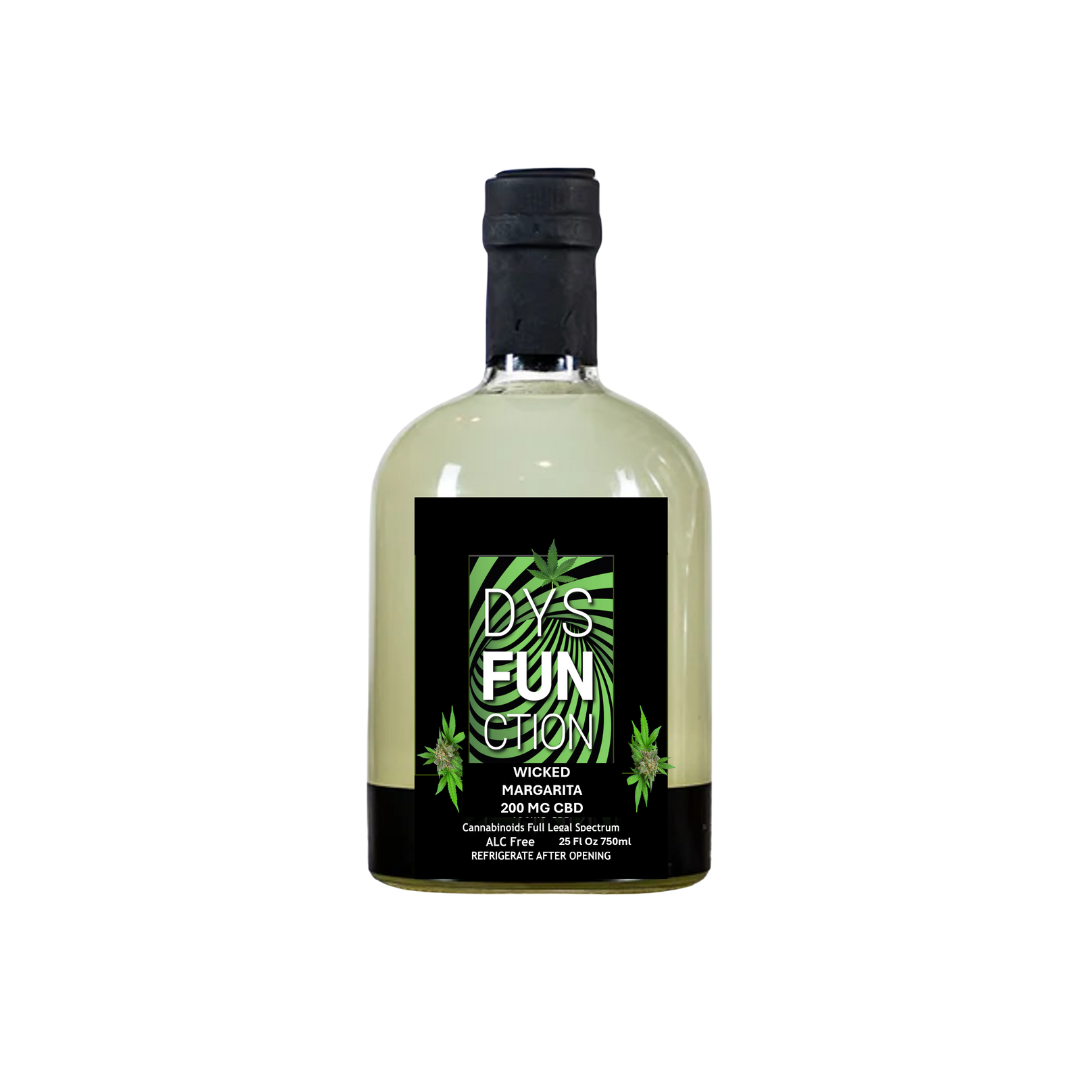
The expansion is commercially logical but operationally demanding. Wine, distilled spirits and hemp-derived drinks live under different production, retail and regulatory regimes. The brand advantage is a recognizable promise: bold flavor without wine-school homework. The disadvantage is complexity. Every format adds compliance, inventory and education work to a five-person team.
What actually makes it different
Competitors are everywhere: sweet supermarket wine, flavored spirits, canned mocktails, alcohol-free bottles and THC beverages where legal. Shoe Crazy does not win because nobody else mixes fruit and adult occasions. It wins attention through a founder-led identity and a visual system built for a crowded shelf. The trademarked label shows a woman seated in a shoe, holding wine. Hurt asked artist Ellen Ross to make her ethnically undefined - every woman and no one woman.
The deeper distinction is institutional knowledge earned the hard way. Hurt learned to specify blends to partner wineries, import wine, sell wholesale, self-distribute, pitch chains and finance inventory. The company says its partner vineyards run sustainable operations, and it supports community organizations including Dress for Success, Open Your Heart Foundation and Richmond Kidney Foundation. In 2024, Inc. recognized Hurt in its Female Founders 250 for cultivating mentorship and supporting other Black-owned brands.
Copy the method, mind the conditions
Self-distribution is a bridge, not a religion. It works when accounts cluster within a drivable territory, gross margin absorbs delivery labor, the founder can sell, regulations permit the arrangement and each visit teaches something useful. It fails when distant accounts turn the team into a trucking company, when order density stays low, when licensing becomes a maze or when a founder's presence is the only thing keeping reorders alive.
The broader method travels better: identify the friction customers reveal through behavior, build the missing function long enough to learn it, secure one credible proof point, then approach larger partners with numbers. Shoe Crazy did not change its mind because a consultant drew a funnel. Empty checkouts and closed distributor doors made the problem physical. The cooler made the response physical too.
There is a tempting movie version of this company: layoff, crash, recovery, Walmart. The business version is better. It contains an abandoned-cart problem, a failed capital campaign, repeated rejection, regulated products and expensive inventory. It also contains a retailer who said yes, a family who divided the work and a founder who knew when to stop waiting for someone else's distribution network. The shoe on the label catches the eye. The route to the shelf is the part worth studying.