By the end of 2009, Scott Kveton had customers and a problem. Urban Airship, the company he had started with three co-founders that May, was selling software into the new world of smartphone apps. Yet another investor had said no. By his later count, at least thirty had done so. Paying customers were encouraging. They were also a rather inconvenient rebuttal to the idea that the business ought to give up.
Kveton put the choice to his co-founders: close, become an iPhone development agency, or keep going. They chose the third option. An introduction from Puppet founder Luke Kanies brought him to True Ventures in January. After a pitch, the partners stepped out, returned, and offered a term sheet. Kveton’s own accounting was admirably unromantic: “1 for 31 at fundraising.”
That fraction offers a useful entrance into his career. There is the visible business: the app notification, the AI product, the funding announcement. Then there is the work required to make the business hold together. Kveton has spent much of his working life in that second territory. Occasionally, it has involved refrigerated pork.
Before the pitch, the plumbing
Kveton graduated from Oregon State University with a computer science degree in 1997. His early employment included Amazon and Rulespace; he later returned to Oregon State and helped establish its Open Source Lab. The lab’s history dates its founding to 2003, with Kveton and Jason McKerr as co-founders. This was practical infrastructure work, helping software communities get things built and kept running.
It also made room for other people’s careers. At the lab, Kveton mentored a student system administrator named Alex Polvi. Polvi went on to an internship at Google, a job at Mozilla, and the co-founding of Cloudkick. His recollection ties that route back to the experience he gained at the lab. For Kveton, building an organization was already producing something beyond the organization itself: people equipped to start their own.
Digital identity became another preoccupation. He worked at JanRain and chaired the OpenID Foundation. In a 2008 radio conversation, he discussed the possibility of a single sign-on system that could reduce the burden of separate usernames and passwords. His biography then described close work with projects including Mozilla, Linux, Drupal and Apache. The public internet looked open from the outside; moving between its services could still feel like changing countries.
There is a smaller entry in this history, too. The Ampache project credits Kveton as its original creator. A music-streaming project, identity standards, a university lab: these are different ways of making useful things available to other people. His later businesses would change the customer and the price of admission. The attention to what sits underneath would remain.
A startup you could put in the fridge
Then came Bac’n. With Jason Glaspey and Michael Richardson, Kveton built an online bacon retailer in three weeks. The distinction matters: actual bacon, actual customers, actual fulfillment. A shopping cart could be elegant and still fail to deliver breakfast.
In 2009, he described the pleasure of assembling a business from existing tools and watching it deliver something tangible. It was a useful counterweight to technology built mainly to impress other technologists. The business was small enough to make every practical decision visible: inventory, storage, a name, a website, a way to get an order out the door.
Kveton and Glaspey turned the experience into a book, From Idea to Web Start-up in 21 Days: Creating bacn.com, published in 2010. Its contents gave logistics a chapter of its own. The company had not made its founders millionaires. It had given them experience worth taking into the next venture. A business book with a refrigerator in its backstory has at least one advantage: the product is easy to explain.
Thirty days to something people could buy
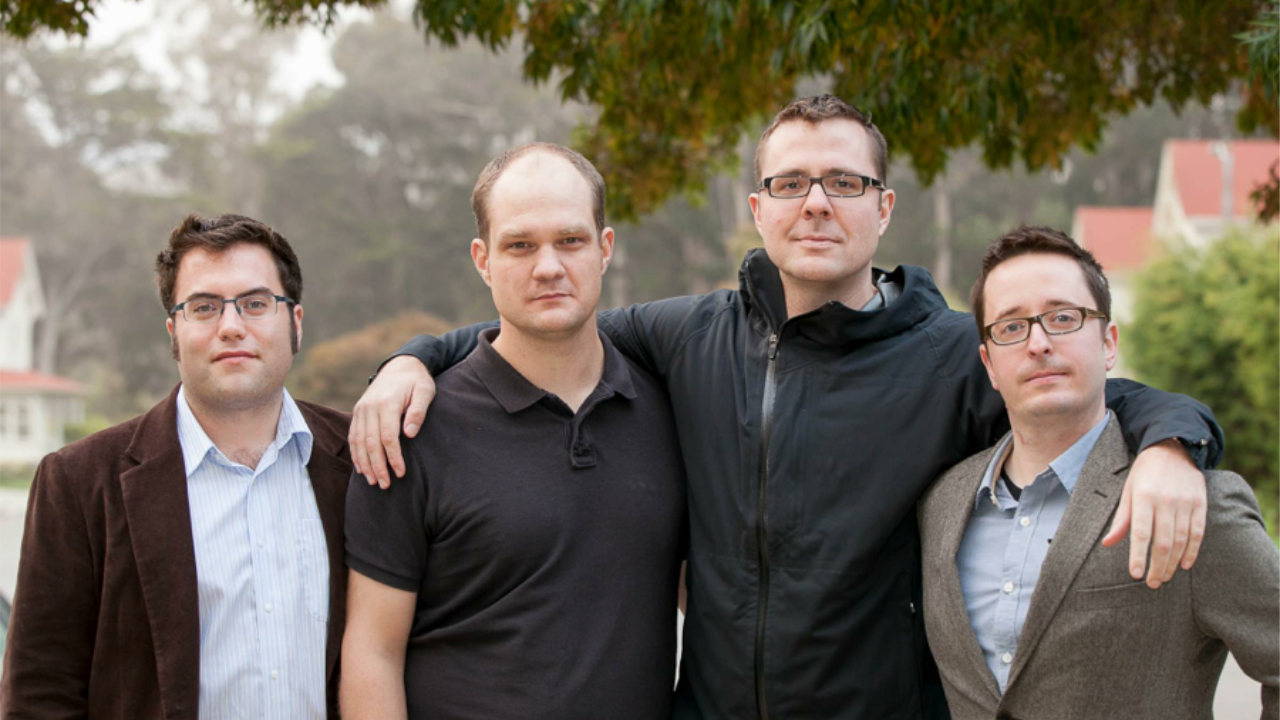
Urban Airship began with Steven Osborn, Michael Richardson, Adam Lowry and Kveton in May 2009. Their first product reached the market about thirty days later. Kveton used savings and interest-free credit cards to help buy laptops. His co-founders accepted little or no pay. They bootstrapped for nine months.
The early platform had a basic software development kit, an API and documentation that the team kept improving. The website was simple. Customer responses were quick. Kveton later described revenue reaching five figures a month before the first investment round. Customers were already paying and explaining what they wanted next.
His conclusion was pointed: before asking for investment, a founder should know what the money would accomplish. Airship’s initial constraints had forced that question into every product decision. A feature had to help developers understand engagement or make money from their apps. Technical elegance alone would not get it onto the list.
Different decades. Work underneath.
- 2003Open Source LabInfrastructure for software communities
- 2009Urban AirshipMobile services for app developers
- 2023CaseMarkAI workflows for legal work
A board update every week. Even on a Friday off.
Seventy weeks, no exceptions
Once the company had investors, Kveton made a habit of keeping them informed. In June 2012, he described sending a weekly update for seventy consecutive weeks, including when he traveled or took a Friday off. The reports covered progress, business units, challenges and requests for help. Each began with a one-word account of how he felt.
His team supplied three positives and three negatives apiece. The format gave the board and advisers a regular view of the business, including its problems. A meeting could then begin with a decision rather than an elaborate catch-up. He also described leaving the room so directors could discuss his performance, an experience he admitted was uncomfortable.
That is an unusually specific picture of a founder’s working style. The optimistic pitch had a companion document: a short, recurring account of what needed fixing. There was room for enthusiasm and for bad news in the same reporting system. Neither required a theatrical reveal at the next board meeting.
“Seriously, I can’t believe I won this sucker.”
Scott Kveton, accepting the 2012 OEN Individual Achievement Award
The award arrived with a joke. Onstage at the Oregon Entrepreneurs Network’s 2012 ceremony, Kveton recalled using the same favorite word when bootstrapping Urban Airship and when preparing to fill its office. Now he could use it for the trophy. The acceptance speech kept the distance between founder and polished executive pleasantly short.
Portland, with the sound turned down
At TechFestNW in 2013, Kveton made a case for Portland’s supposedly boring startups. Companies such as Urban Airship, Jama, Janrain, Puppet and Elemental were making money by doing work outside the consumer spotlight. He liked that about them. A useful enterprise business could be difficult to explain at a party and still be a very good business.
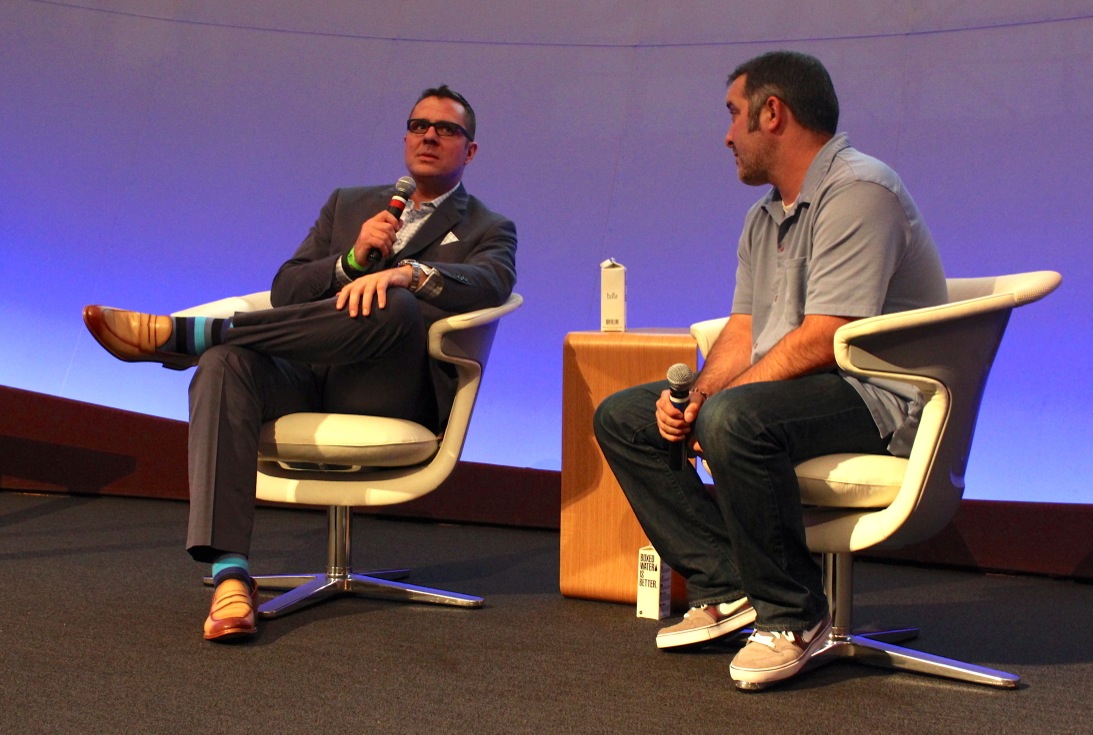
He also used the city to recruit. Invite a candidate and their partner for a Friday interview, let them stay the weekend, and Portland might finish part of the sales job. His argument linked the place to the people who would build the companies. Ambition did not have to consume every other part of their lives.
Earlier that year, Kveton had tried a small experiment of his own: thirty days away from social media. The idea emerged over drinks with friends. He deactivated Facebook, removed apps and discovered how often he had filled spare moments with a feed. Some acquaintances thought he had blocked them. Going quiet required more explanation than posting.
At work, he reported better focus during a busy stretch of board meetings and company events. Yet his conclusion was curious rather than doctrinaire. He planned to try a period of heavier engagement next and compare. Even the off switch became something to test.
The next customer has a case file
After Airship, his company-building continued. Odava, where he again worked with Steven Osborn, was acquired by MassRoots in July 2017. CaseMark followed in 2023, moving his attention to legal workflows. The continuity is easier to see in the tasks than in the industry labels: take a recurring burden, build something usable, and see whether customers will adopt it.
In June 2024, CaseMark announced a $1.7 million seed round led by Gradient Ventures, with Cambrian, Ride Home AI Fund and Alumni Ventures also participating. The company aimed its generative AI tools at work including document summaries, research and legal analysis. Investment would support product development, hiring and adoption. Those were concrete destinations for the money.
By 2025, Kveton was describing a familiar approach: give lawyers simple actions that return familiar documents, then expand around actual use. He organized his thinking around team, technology and timing. He also had a cheerfully ambitious wish for the brand: “Let’s CaseMark it.” Becoming a verb would be convenient. First, the document has to open.
Back to the open door
In July 2026, Kveton brought his older identity arguments into the AI debate. CaseMark signed an open-weights advocacy letter. He argued that organizations should have meaningful control over the models supporting their work, and connected that position to his experience with OpenID and OAuth. The concern was practical as well as philosophical: a dependency can be repriced, changed or withdrawn.
That month he also introduced the name CaseMark Source for its court-reporting platform. His emphasis fell on the original record and the people who create it. The platform combined transcript packaging, video synchronization and other services, with review remaining part of the process. His argument gave the reporter’s relationship with the client a central place in the business.
August brought an invitation to demonstrate the approach live. Through the Dog Days Challenge, CaseMark offered to build solutions to difficult legal workflow problems in about an hour, then run the jobs free. Kveton distinguished build time from processing time. The promise was a working setup, with the larger job running afterward.
In September 2026, he described another decision behind the product: CaseMark had stopped offering Anthropic models by default, while allowing customers to opt in. He emphasized portable workflows and access to their own files. The argument made his open-infrastructure preference specific. Customers should be able to move their work if the company stopped earning their business.
It was a recognizable wager from someone who had once sold bacon online and app infrastructure from a simple website. Put the work where a customer can see it. Let the customer bring the awkward details. After a career of pitches, Kveton was offering another way to get to yes: bring the files, share the screen, start the clock.