A furniture marketplace has a peculiar problem. The purchase happens on a screen. The sofa arrives on a truck. Somewhere between those two events, the promise of an internet business encounters a staircase, a warehouse and a customer waiting at home.
In 2022, Egyptian furniture platform Homzmart raised $23 million in a round that included existing investor Rise Capital. Reporting on the financing described supply-chain gaps, a logistics arm and the purchase of 100 trucks. Here was a technology investment with a conspicuously physical requirement: make the delivery work.
- Rise finances internet-enabled businesses across emerging markets.
- Its pitch pairs capital with experience running companies.
- The transferable lesson: solve the transaction all the way through.
That is a useful doorway into Rise. Founded by Nazar Yasin in 2013, the San Francisco venture firm backs entrepreneurs across Latin America, Africa, the Middle East and North Africa, India and Southeast Asia. Its opportunity is the ordinary business that becomes easier when someone rebuilds the machinery around it.
01 / The opportunity behind the inconvenience
Look at three investments. Kueski provides consumer credit and buy-now-pay-later payments in Mexico. Kitopi built a managed kitchen platform to help restaurants extend their delivery reach. Homzmart connects furniture sellers with buyers. Money, meals, furniture: familiar purchases with awkward steps in the middle.
Rise's own description emphasizes technology's capacity to improve lives in emerging markets. The commercial interpretation is straightforward. A founder who removes enough inconvenience can earn repeat business. An investor who recognizes the pattern in several countries may have something useful to contribute beyond a cheque.
KueskiAccess to credit
↗KitopiKitchen operations
↗HomzmartFurniture commerce
↗The economics belong to venture capital. Rise invests for ownership and seeks investment returns; founders receive capital and a partner. The end users belong to the portfolio businesses. Someone using Kueski is using a financial product, rather than becoming a customer of Rise itself.
02 / A founder who wanted to get closer
Yasin had worked at Goldman Sachs, run social-networking company Forticom and invested at Tiger Global. That sequence matters to Rise's positioning: finance, operations, then investing. He had experienced a company from more than one side of the table.
In a 2022 interview, he explained that Tiger's larger funds were moving toward the US, China and later-stage companies. He wanted more involvement with earlier founders in emerging markets. The institution's direction and his preferred work had begun to diverge.
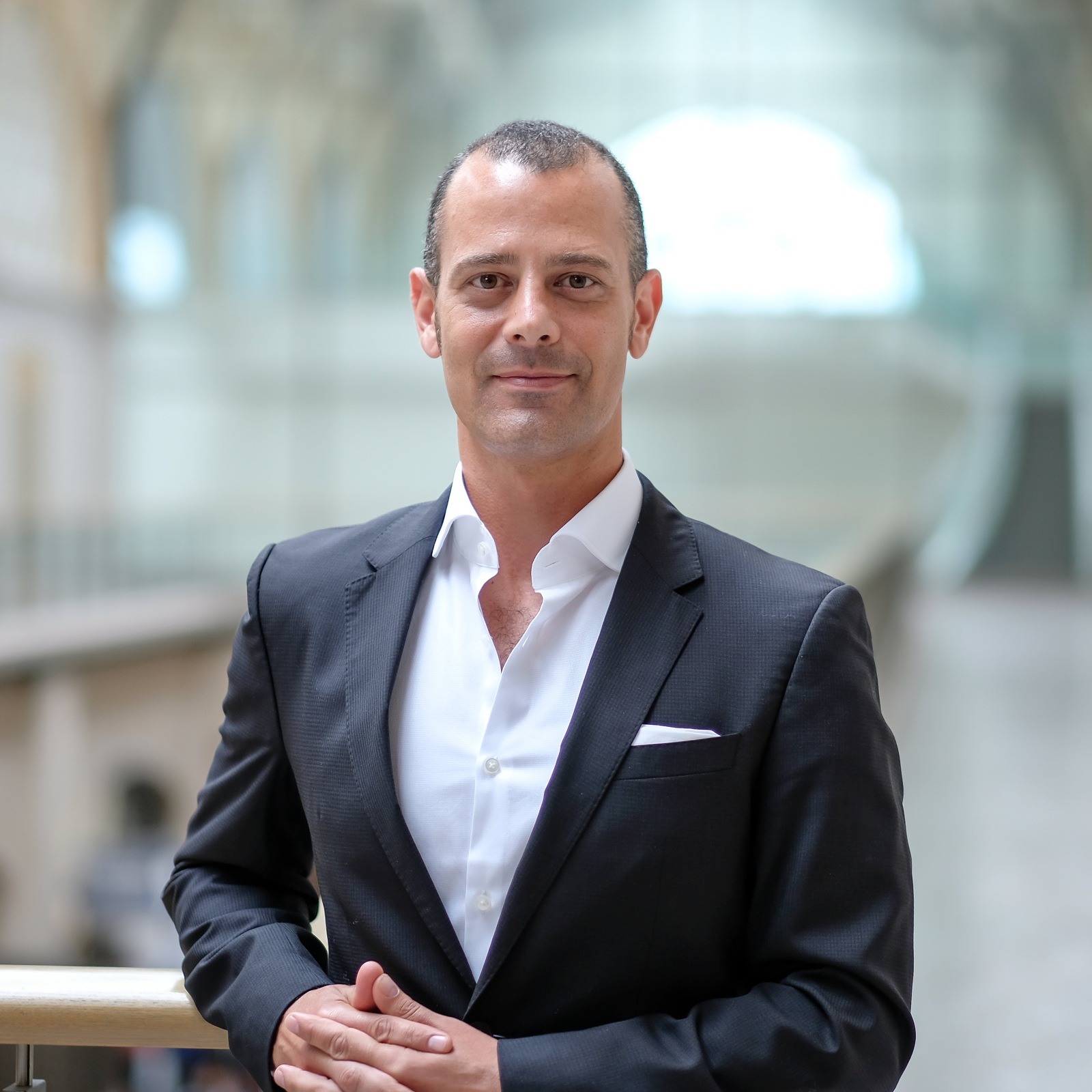
Rise's proposed advantage is practical translation. In a 2019 interview, Yasin described exposing companies to strategies from other emerging markets, alongside Silicon Valley knowledge. Infrastructure and hiring challenges differ by country, but an experienced operator may recognize an expensive mistake before a founder repeats it.
This also helps explain the firm's place among alternatives. A regional investor offers concentrated local knowledge. A global investor offers connections across markets. Rise argues for combining cross-market experience with partner involvement. Whether that helps a particular founder depends on the partner's relevant experience and the company's actual bottleneck.
03 / The second cheque matters
Capital has its own operating problem: the first round can arrive long before the business is ready to support itself. A December 2020 Silicon Dragon interview recap described Rise reserving two dollars for Series B for every dollar invested at Series A in such cases.
Illustration of a stated allocation approach, not current fund composition.
The same account outlined five investment filters: management, market, metrics, moats and multiples. It described ownership stakes of 5-25%, together with board or observer participation. That combination makes the relationship more demanding than simply accepting a wire transfer.
“There is no such thing as a successful passive investor in emerging markets.”Nazar Yasin / Silicon Dragon, 2020
For a founder, the cost includes sharing ownership and accommodating governance. For fund investors, it means committing capital to uncertain company outcomes. The public first-fund filing records $59.55 million sold by May 2015 against a $146.6 million offering. Those are dated fundraising figures, rather than a measure of present investment capacity.
Round headlines require similar care. Kueski's December 2021 financing totaled $202 million across equity and debt, with Rise among the participating investors. That total financed the company through different instruments. It should never be read as the amount Rise alone put in.
04 / Expansion meets the outside world
Kitopi supplies a useful complication. Its February 2020 announcement described a $60 million Series B involving Rise and plans for substantial expansion. The company offered restaurants kitchen infrastructure, staff and its in-house Smart Kitchen Operating System, or SKOS.
Then the pandemic changed the map. Reuters reported in March 2021 that Kitopi had suspended its US and UK operations the previous year and shifted attention toward markets including the Middle East and Asia. An expansion plan had encountered conditions it could not control.
By January 2026, EvolutionX announced a $50 million growth-capital round for Kitopi, following what it called a profitability milestone. It described more than 200 locations across five Gulf markets. The contrast suggests a useful discipline: revise the footprint when conditions change. The announcement does not establish Rise's return.
The sequence also separates fundraising from execution. New financing can fund an adjustment, but the adjustment still needs customers, trained staff and workable economics. For anyone reading a portfolio page, the better question is what changed inside the business between rounds. A larger financing headline, by itself, cannot answer that.
05 / What a founder can take home
Rise's India expansion in 2022 made its global thesis more specific: appoint a local head, Anuj Mehta, and back businesses including TradeX and SaveIN. Reporting described seed-to-Series-B investments, showing a broader entry range than the Series A and B emphasis discussed in 2019.
The copyable idea is to look abroad for an operating lesson, then test it locally. Check who pays, what delivery costs and which regulations apply. Reserve resources for the next obstacle. A large addressable population cannot compensate for weak transactions, and a successful model elsewhere cannot establish demand at home. The sofa still has to reach the living room.