A paper check is an odd prop for a technology company. Yet in an early account of RepRally’s payments operation, co-founder Justin Donovan arrived at a payment provider’s team meeting with a pile of them. A store bought products. A check had to clear. Another check paid the sales representative. The software could move quickly; the money went sightseeing.
- Brands get a route into stores through local sales reps.
- Stores get wholesale ordering with a person to call.
- Brands retain inventory and fulfillment; marketplace fees typically run 15–20%.
RepRally connects consumer brands, reps and retailers in one wholesale marketplace. Its interesting choice is where it puts the human being. The rep remains close to the purchase, while software handles the catalog, orders and commissions. For anyone selling a physical product, that arrangement poses a useful question: which part of your customer’s routine deserves to survive modernization?
A marketplace with shoes on
Think about the neighborhood shop as a buyer, rather than a picturesque backdrop. A new snack competes for money, shelf space and the owner’s attention. A familiar rep can help make the decision, recommend products and return when something goes wrong. RepRally treats that relationship as part of distribution’s working machinery.
Donovan and fellow founder Daryn Lam built around three groups: brands seeking stores, reps seeking products to sell, and retailers seeking inventory. In a 2024 investor interview, Donovan contrasted the approach with wholesale websites such as Faire. His argument was that store owners buy through reps. That is a founder’s thesis, rather than a universal law of shopping, but it explains the design.
“We just build software.”
Justin Donovan · August 2024 founder interview
The app lets reps browse products, place orders and track commissions. Store owners can also order through a portal. Buyers keep a choice of interface: the person who walks in, or the screen already in their pocket.

The check was in the way
The payment-provider account, shared in December 2023, described paper checks and bank-verification microdeposits stretching the process over days or weeks. RepRally’s work with Orum shortened that wait, according to the provider’s team. It is a small operational story with large implications: a commission marketplace needs the earner to trust the payment as much as the buyer trusts the product.
That history should not be mistaken for a current promise of instant earnings. Today’s rep terms make payment conditional on fulfillment, cleared retailer funds and relevant return or reserve windows. Stripe handles payment processing under those terms. The improvement to copy is the attention to the entire transaction, including the awkward interval after a successful sale.
The price of a place on the shelf
RepRally’s March 2026 Brand Terms specify a typical marketplace fee of 15–20%, covering platform access, order facilitation, sales representation and payment processing. Brands handle inventory and shipping. A separate Outpost service contracts for field coverage, merchandising and reporting, with pricing agreed individually.
Goods: brand → store. RepRally coordinates the transaction.
The product guarantee also has boundaries. Eligibility generally starts with a retailer’s first purchase of a particular SKU and is capped at its minimum order quantity. Exclusions apply; brands bear eligible credit costs. The implication is practical: trial orders need discipline. A fee, shipping and possible credits all belong in the margin calculation. Software does not repeal arithmetic.
The second order is the interesting one
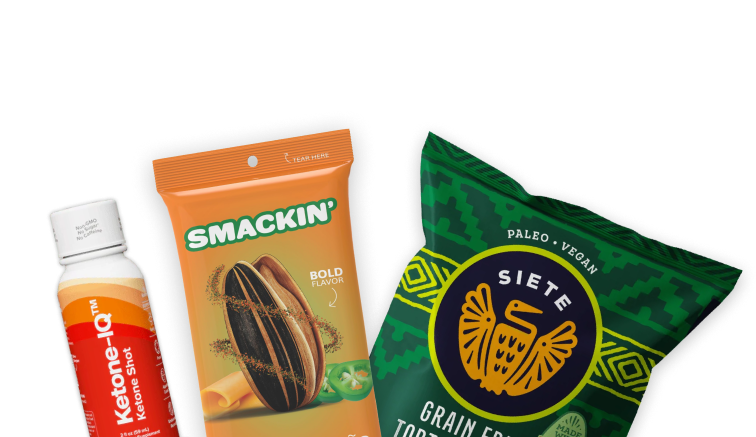
Built Bar partnered with RepRally in June 2024. Its protein bars entered a crowded category where established products already had distribution relationships. RepRally’s case study describes category-trained reps, support as Built expanded from nine flavors to thirteen, and a focus on promising markets in New York, California and Texas.
The company reports 247% growth in monthly sales, 283% growth in monthly orders and an 80% reorder rate in Texas. These are company-reported results without a disclosed measurement period or comparison group. They illustrate the proposed mechanism, rather than proving that every brand will get the same outcome.
Texas reorder rate
Published case study; measurement period unspecified.The repeat order is the more revealing detail. Placement gets a product through the door. Reordering suggests the relationship has become useful enough to continue. For a founder planning expansion, that distinction changes the question from “How many stores?” to “Which stores keep buying?”
Britney takes a look around
RepRally’s newer tools add another layer to that conversation. Its announced Britney AI, named after data scientist Britney Guo, uses retail sales data, store photos and questions to suggest products and pitches. The Brand Portal promises financial reporting, geographic drill-downs and shelf visibility. The company describes these as ways to make offline performance easier to understand.
Those tools fit beside the rep’s observations. A photograph can record placement; a recommendation can narrow the catalog. Neither automatically establishes consumer demand. The interesting test is whether the information helps a rep choose a better product for a particular store, then helps the brand recognize where to concentrate effort.
Copy the habit, improve the machinery
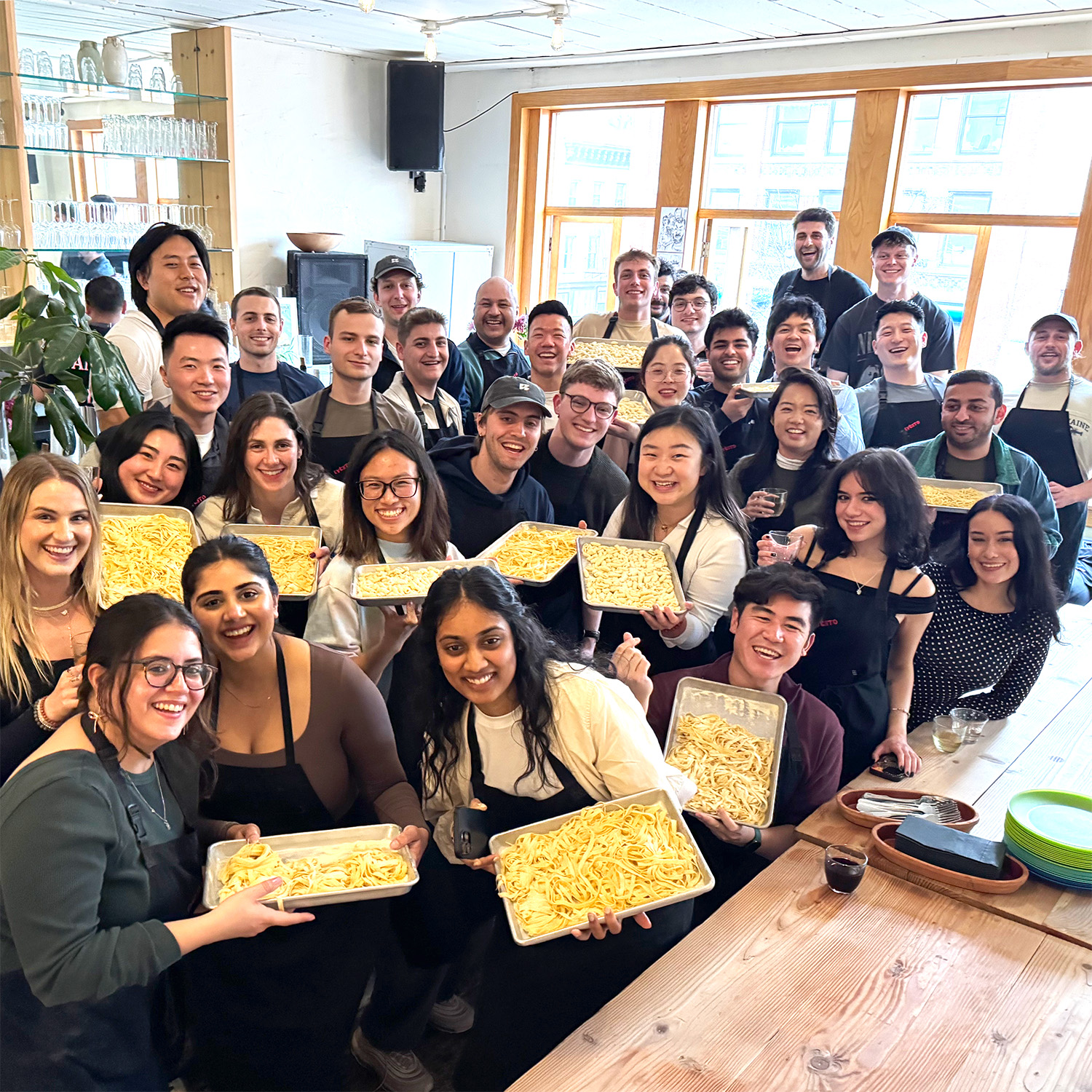
RepRally’s ambitions extend to office snacks and supplies, while its retailer site identifies it as an official NCASEF vendor serving the 7-Eleven franchisee association. Its operating culture is blunt about priorities. The careers page says, “Meetings are not work.” The team photograph, meanwhile, features enough handmade pasta to suggest that somebody scheduled one agreeable exception.
Donovan has described being surprised by newcomers succeeding alongside experienced reps. The broader lesson is to preserve a buying habit while making its supporting tasks easier. That approach still needs reliable fulfillment, sufficient brand margins and products suited to the stores being approached. A familiar face can earn attention. What remains on the shelf must earn the next order.