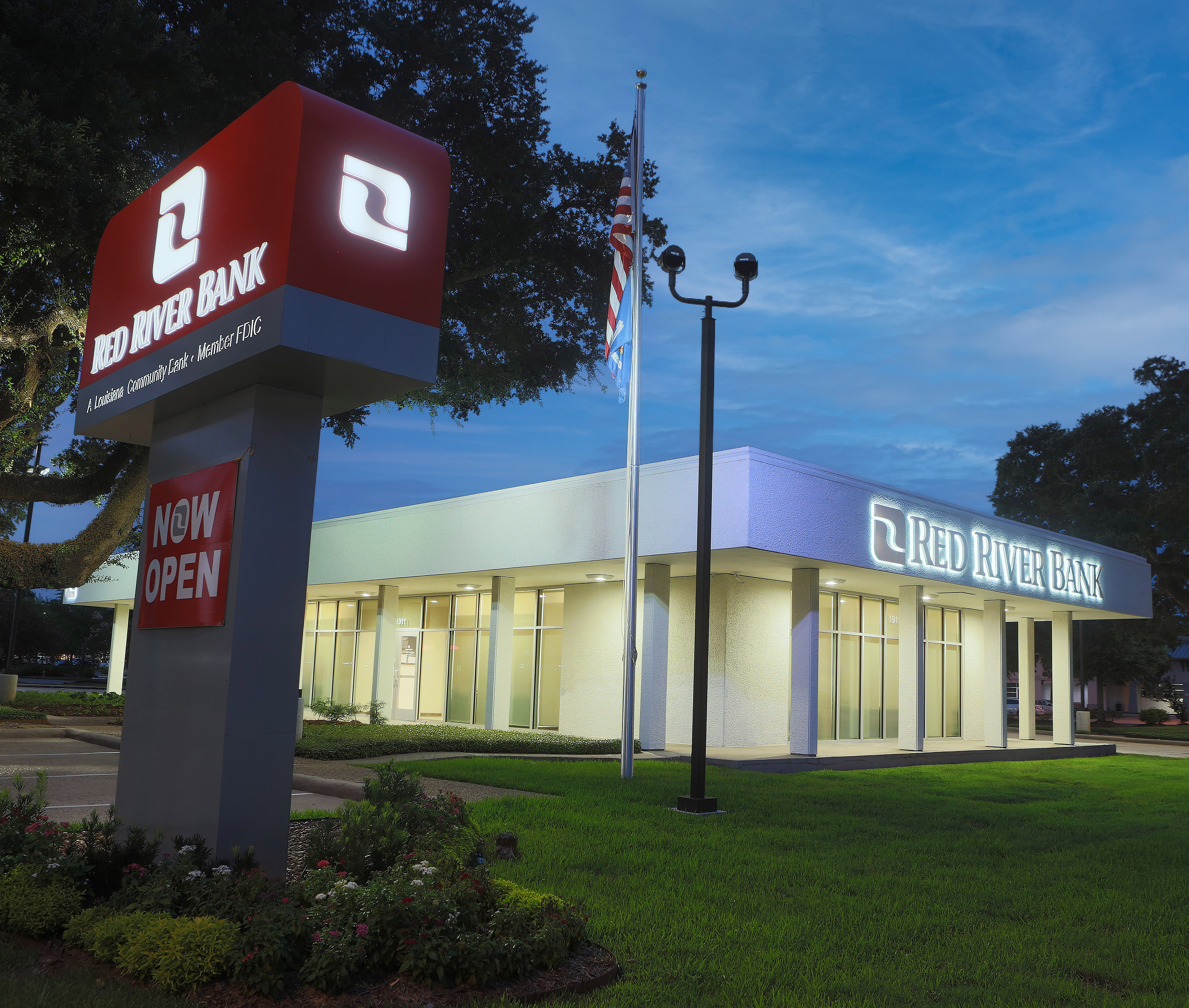
On October 22, 2026, Red River Bank bought a former credit-union building on Gause Boulevard in Slidell. A property transaction is rarely a gripping place to begin a banking story. But consider the choice: an existing building, in a specific Louisiana community, becoming a full-service branch if regulators approve. The planned opening is early 2027. It is a small, physical expression of the bank’s larger wager: proximity still has commercial value.
Red River takes deposits, makes loans, processes payments and helps customers manage investments. The familiar machinery hides a more interesting question. When banking can happen on a phone, what is the branch for? Red River’s answer is to keep experienced bankers close to the people borrowing, saving and running businesses. Its expansion plan starts with those bankers. The building comes later.
- Local bankers lead expansion into Louisiana markets.
- Personal accounts share a bank with commercial lending and treasury services.
- Digital investment supports the promise of personal service.
01The merger that left an opening
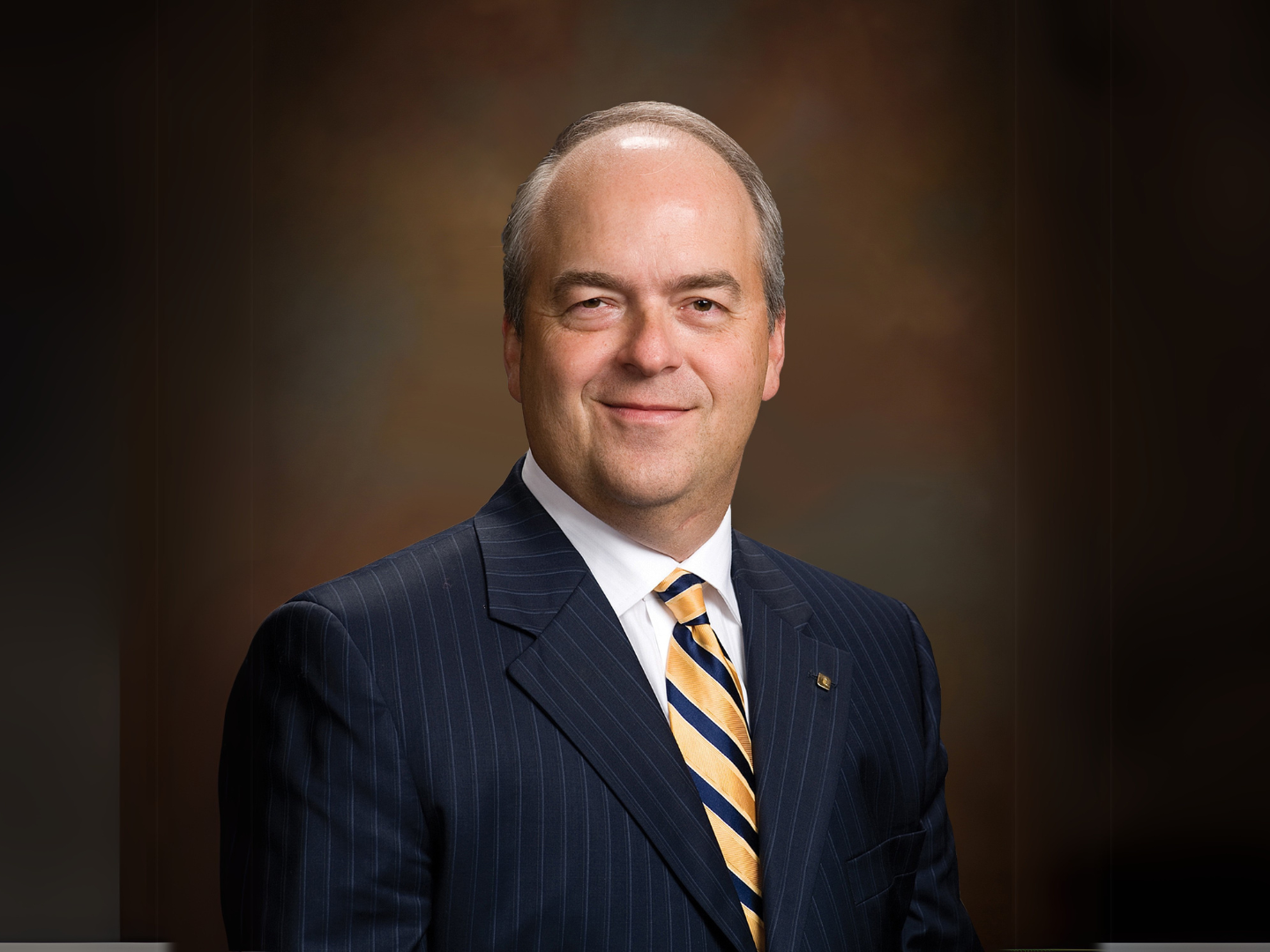
Blake Chatelain had managed commercial lending at Rapides Bank & Trust before its 1998 sale to Bank One. He became part of the group organizing Red River. The new bank opened on January 14, 1999, during an era of consolidation that its own history describes as a retreat from hometown banking. The founders saw customers who still wanted a recognizable person behind the decision.
That origin explains the positioning. Red River competes with Chase, Hancock Whitney, Regions and other banks operating in Louisiana, as well as community institutions such as b1BANK and Origin. It offers familiar financial products with a different service proposition: local decisions and continuing relationships. That is a promise about how the work gets done, rather than an invention of a new kind of checking account.
02Hire first. Open second.
The bank’s investor presentation lays out an unusually legible sequence. Find a market with growth potential and disruption among competitors. Hire an experienced local leader. Begin with a loan and deposit production office. Then build a banking center or buy and remodel one. A lending office establishes a presence before the bank commits to the full retail operation.
The distinction matters. A production office and a full-service branch do different jobs. Staging the investment gives the bank a way to develop relationships before adding the larger commitment. Red River has also bought banks: Bank of Lecompte in 2003 and Fidelity Bancorp in 2013. Its stated preference, however, remains organic expansion. The copyable lesson is the order of operations: establish the team and customer access before adding the permanent location.
- 01Hire local
leadership - 02Start a
production office - 03Build or remodel
a banking center
03One bank, several money problems
For an individual, the entry point can be ordinary checking, savings, a car loan or a mortgage. Totally Free Checking lists no monthly fee and a $50 opening deposit. New Opportunity Checkless Checking requires $25 to open; its $5 monthly fee can be waived with an electronic statement or direct deposit. Opening deposits remain the customer’s money. They are different from fees.
The checkless account is Bank On certified, with no overdraft fees. It addresses a practical problem for people entering or returning to banking: access without an overdraft charge turning a small mistake into a larger expense. Elsewhere, Red River’s private bankers offer services specifically for physicians and attorneys, connecting personal finances with the needs of a medical or legal practice.
For a business, the useful work includes collecting receipts, paying staff and protecting cash. Treasury management offers ACH payments, wire transfers, remote check deposits and Positive Pay fraud controls. Mortgage and investment services extend the relationship further. The bank also participates in community financing: FHLB Dallas identified Red River as the member bank for a $750,000 affordable-housing subsidy for the Salvation Army in Alexandria.
04The app still has to work
A relationship bank cannot ask customers to enjoy inconvenience as proof of authenticity. Red River selected Q2 in 2024 for a common digital banking platform serving consumer and commercial customers. The upgrade reached customers in February 2025. Innovation chief Edwin Lagarde explained that the bank wanted to match the digital experience available from larger competitors.
The decision is revealing. Red River buys the underlying digital capability from a specialist while retaining its own banking relationships. Its service argument therefore depends on both sides working: a banker who understands the customer, and software that handles routine transactions. The culture has outside recognition, too. The bank placed 51st among 90 institutions in the 2025 Best Banks to Work For ranking, which incorporates employee surveys.
“As a community bank, we strive to offer the same experience as our larger competitors.”Edwin Lagarde · Q2 announcement · 2024
05Friendliness has an income statement
Red River earns money primarily from the difference between income on loans and securities and the interest paid for deposits, with additional fees from banking, mortgages and investments. The holding company went public in May 2019, receiving $26.8 million in net proceeds. That was capital for corporate purposes, growth and debt repayment, rather than a venture round funding an untested app.
The arithmetic can still disappoint. Holding-company net income fell 5.5% in 2023, to $34.9 million. Relationships do not suspend interest-rate pressure. By 2025, annual net income had reached $42.8 million. In the second quarter of 2026, operating expenses rose by roughly $1 million from the prior quarter; quarterly profit slipped even as net interest income improved. Technology, premises and people keep presenting their bills.
Annual net income, $ millions
06Close is useful. Close has limits.
Red River’s footprint remains concentrated in Louisiana. That makes it relevant for households, professionals and businesses wanting local access across its markets; it also leaves the bank exposed to the same state economy as its borrowers. A customer needing branches across the country has a different problem. So does a borrower whose request falls outside conservative underwriting standards. Local decisions still include refusals.
The Slidell purchase brings the story back to a building. It will be the bank’s first full-service location in that city, subject to approval. Expansion here means another place where lending, deposits and human judgment can meet. The useful test for a prospective customer is straightforward: does the nearby banker, the account pricing and the digital service make the actual financial task easier? That is where the promise earns its keep.
Follow the river
Explore the bank’s products, people and recent announcements.