Raul Leal’s first hotel career plan involved watching somebody else enjoy lunch. At Miami’s Everglades Hotel, where his father worked as a restaurant manager after coming from Cuba, the teenage Leal noticed the general manager arriving, entertaining and signing the tab. Here, apparently, was an occupation with agreeable working conditions. “I want that job,” he decided. A summer job had supplied a direction, even if the job description was still missing a few pages.
The appealing part of this beginning is its scale. He wanted to run a hotel. The ambition was close enough to observe across a room. Today, as chief executive of Starwood Hotels, Leal oversees the business behind 1 Hotels, Baccarat Hotels and Treehouse Hotels. His responsibilities include operations, development and worldwide growth. Between those two jobs lies a career spent learning how much work must happen before a guest can comfortably do very little.
The education after closing time
The route took him through restaurant work, front-desk duties and food and beverage. General management required knowing how the building functioned beyond its reception counter. His apprenticeship also included Daphne’s, the Miami restaurant and nightclub he managed before South Beach became the city’s shorthand for a night out. The hours ran from four in the afternoon to four in the morning, six days a week. Tuesday was his day off. Glamour had an unusually specific relationship with the calendar.
Nightclubs offer a useful education for anyone who will later run a lifestyle hotel. A room must attract people, keep them comfortable and give them a reason to remain. Music, service and timing all become operating decisions. A lively public space can bring a building to life; somebody still has to manage the relationship between the party and the people sleeping upstairs. Leal would carry that experience into hotels where restaurants and bars mattered to the identity of the place.
He also spent years as a general manager around the country. Those jobs gave him a practical reference point for the demands placed on property teams. A corporate decision eventually lands on someone’s shift. That distance, between an idea discussed at headquarters and its execution in a full hotel, is one of the recurring subjects in his career.
A lesson in looking at the room
At the Sheraton Royal Biscayne, general manager Mary Ellen St. John provided a different education. She had trained as an interior designer. During a lengthy renovation, she brought Leal into the work and explained the decisions, down to the choice of fabric. He had approached the project from operations; she helped him understand what design was doing. The renovation became an apprenticeship in noticing.
It is a revealing connection. An executive who can discuss design has to learn somewhere, and Leal’s account gives that learning a teacher and a setting. The knowledge developed through the slow examination of alternatives. Why this material? What would another choice change? For someone responsible for running the finished hotel, those questions make the distance between appearance and use much shorter.
His boutique years provided room to put that attention to work. At Tecton Hospitality and its Desires Hotels operation, Leal worked with independently distinctive properties, including Puerto Rico’s Water Club and Miami Beach’s Betsy. The work involved giving hotels an audience without relying on a familiar chain name to do the introducing. Individuality had commercial consequences: a property’s character needed to be legible to someone deciding where to book.
The boutique business also brought him into contact with owners whose projects were personal expressions. A hotel could embody the developer’s taste and ambitions. Operating it required understanding those attachments while producing a place other people wanted to use. The finished room had several constituencies before the first guest even arrived.
The guest at the Betsy
One visitor to the Betsy changed the next part of Leal’s working life. Richard Branson was staying there, and the general manager introduced the two. Virgin was exploring a hotel business. A conversation about managing hotels eventually became a conversation about leading the venture. The setting gives the episode its particular charm: an operating hotel became the introduction to building another hotel company.
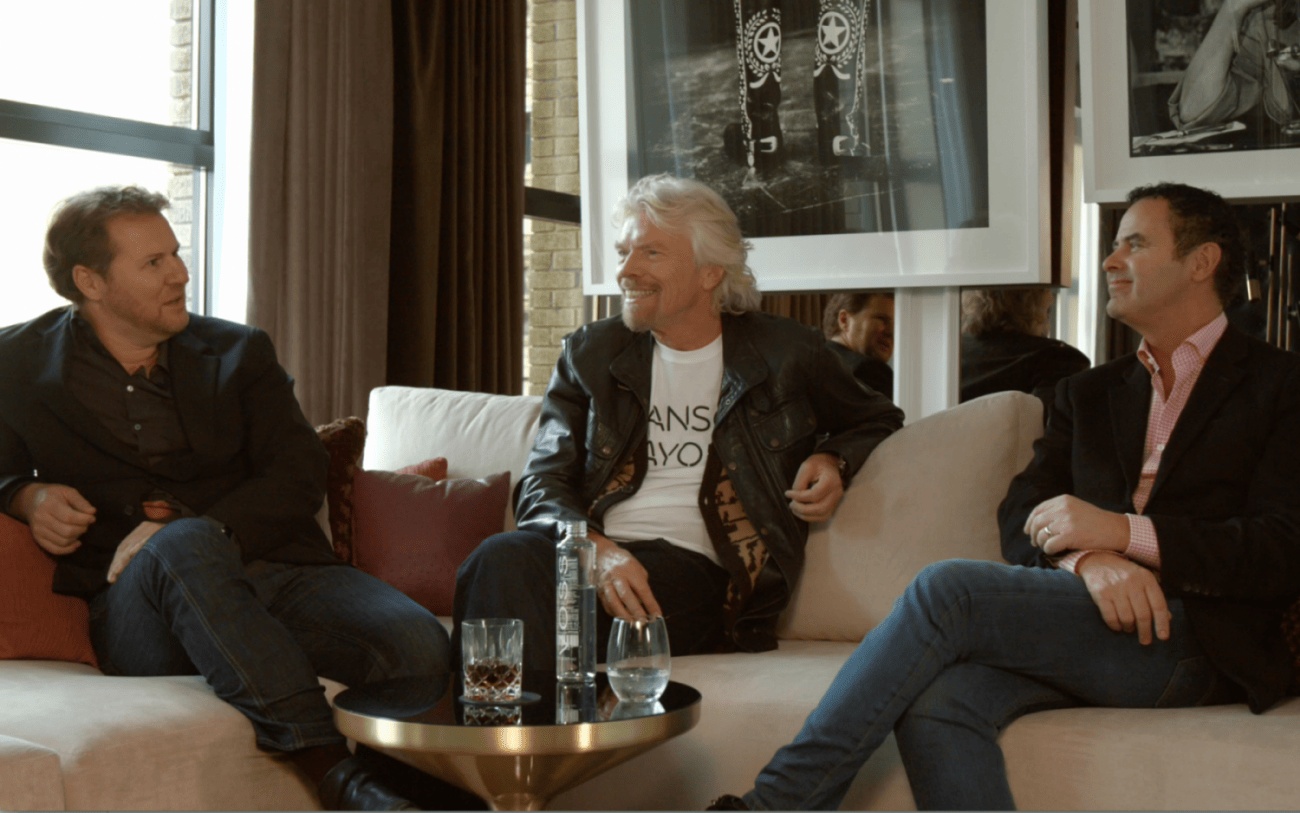
Leal joined Virgin Hotels in 2010, initially as president, and became CEO in 2012. The first property opened in Chicago in 2015. A famous name supplied attention; turning a building into a working hotel required patience. The Chicago project occupied a former bank building, where existing leases and the demands of restoration complicated the conversion. The period between announcement and arrival gave the venture an early lesson in the difference between a brand timetable and a building timetable.
When the hotel opened, its practical choices were as telling as its public rooms. Electrical outlets were placed where guests could use them. A sliding door gave the room an additional measure of privacy. Wi-Fi was free, and minibar items used street pricing. These were modest decisions to describe, but consequential ones to encounter at the end of a trip.
“All these small measures add up to a great experience.”
Raul Leal, on Virgin Hotels’ guest experience, 2015
A room can be admired in a photograph without ever being occupied. The operating test begins when somebody wants to plug in a laptop, change clothes or answer a room-service knock. Leal’s account of Virgin’s development makes that sequence worth following. The guest’s convenience had to survive the transition from drawing to room. A handsome interior could still create an irritating evening.
Pricing belonged to the same discussion. In 2019, he argued publicly against hidden fees and described the response to reasonably priced minibars. The proposition was easy for a traveler to understand: the relationship should remain pleasant when the bill arrived. For a hotel asking people to return, a guest’s last impression is an expensive thing to squander over a small charge.
A hotel with a neighborhood
Leal’s Virgin years also show how he thought about an audience. The hotel had to welcome people of different ages who shared interests and preferences. A lifestyle label could become narrow if it confused a particular look with the full range of people willing to enjoy the place. There is a practical generosity in that question: who feels invited to sit down?
Branson provided another example through his habit of listening. Leal admired the way he took notes and collected comments from employees and guests. For a business full of occasions to make presentations, the small notebook is an appealing counterweight. Someone still has to ask what happened during the stay, hear the answer and decide whether a detail needs changing.
By the time Virgin announced Leal’s departure in January 2021, he had helped build its operating platform and service approach across a decade. The company credited his leadership in establishing the brand. Chicago had also earned the top United States hotel position in Condé Nast Traveler’s 2016 readers’ awards. The teenager’s original ambition had expanded into the task of making a new hotel name mean something to guests.
Three personalities, one returning name
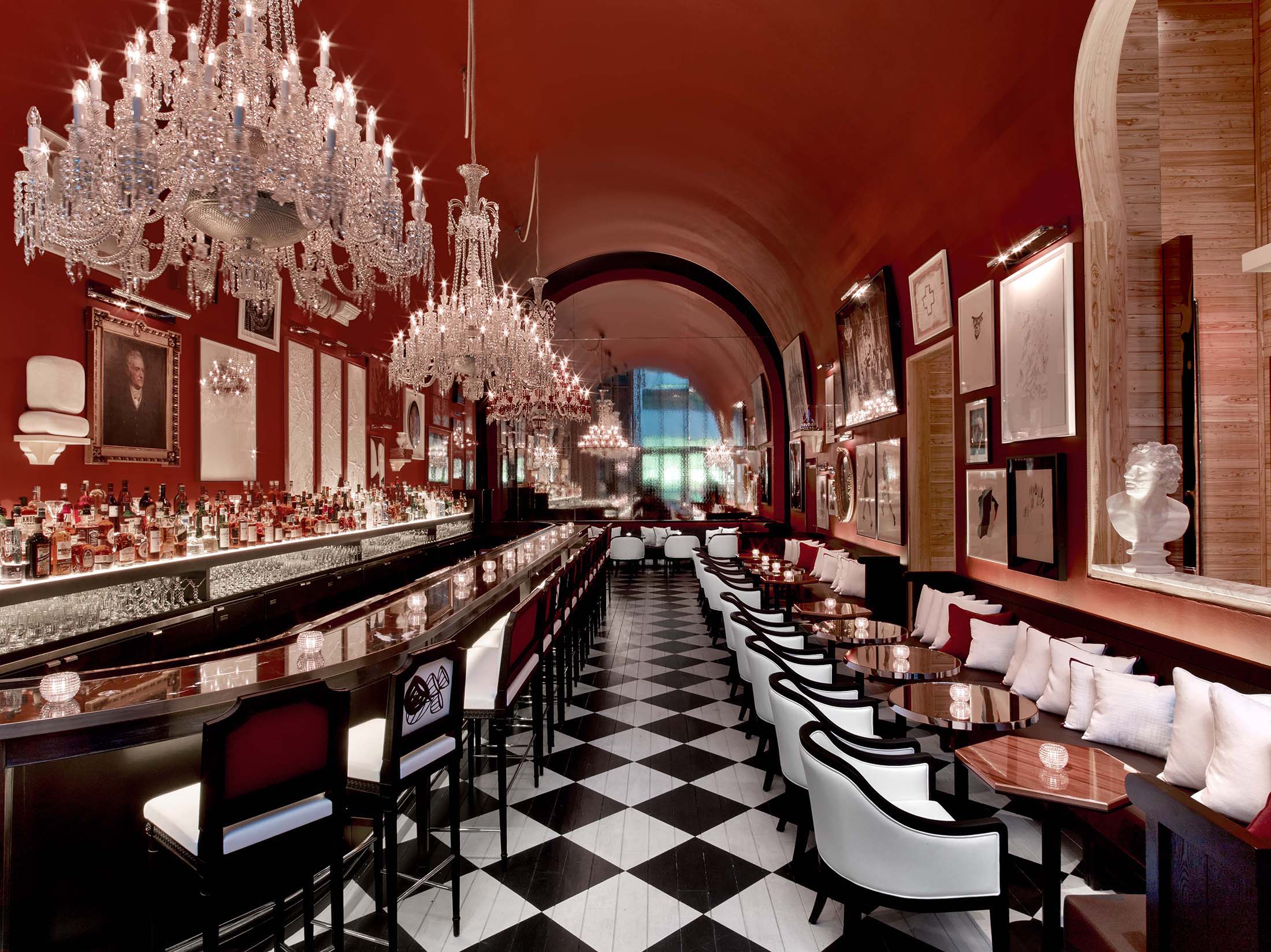
On August 19, 2021, Leal began as CEO of SH Hotels & Resorts. The move placed him alongside chairman Barry Sternlicht and three existing brands with different identities. In March 2025, the company became Starwood Hotels, reviving a name with a substantial history. This Starwood is the renamed SH business, distinct from the former Starwood Hotels & Resorts Worldwide acquired by Marriott in 2016.
Sustainability
Formal elegance
Relaxed character
The portfolio gives Leal a problem that suits his background: how to share operating knowledge without making the hotels feel interchangeable. In his July 2026 interview, he described preserving each brand’s purpose while using the benefits of a larger organization. A guest choosing Baccarat is making a different decision from a guest choosing Treehouse. The company has to remember the difference as reliably as the reservation system remembers a date.
His discussion of technology follows a similar logic. AI can help staff anticipate preferences and handle work more efficiently. Personal interaction remains part of the stay. The useful question is where a tool gives employees more time and attention for guests. In a business that sells an experience of being welcomed, efficiency needs an intended beneficiary.
The room still has to work
The present business is international, but its daily tests remain local. Starwood’s 2025 openings included Treehouse properties in Manchester and Sunnyvale, alongside 1 Hotels in Seattle, Melbourne and Copenhagen. In February 2026, Leal discussed the importance of programming and local food-and-beverage customers. A hotel’s restaurant audience extends beyond the people carrying room keys. His nightclub experience has a long afterlife.
In September 2026, 1 Hotel Austin opened in the Waterline tower with 252 rooms, the brand’s first Texas property. Its materials include locally quarried limestone, oak and reclaimed wood. Leal described a gathering place for travelers and local residents. The ambition is familiar in his work: build something with enough character to attract a visitor, then give the people nearby their own reason to return.
His responsibilities have grown far beyond one general manager’s desk. Yet the career retains the shape of an apprenticeship: an early ambition, demanding shifts, teachers who explained their decisions, and properties that taught him what the next project would require. The teenager noticed who could sign the lunch bill. The operator learned how many people had to do their jobs before lunch could look so effortless.