In 2004, Raoul Pal had a problem with the clock. The hedge fund business wanted its managers to report a tidy number every month. His ideas about economies, currencies and markets needed longer than a month to unfold. At GLG Partners in London, where he co-managed a global macro fund, he could feel the distance growing between the work he wanted to do and the work the industry rewarded. So, at 36, he resigned. He moved to Spain's Mediterranean coast and began writing.
The move sounds wonderfully assured in retrospect. Pal's own account is less polished. His final year at GLG had been difficult. He knew he needed an income and could not simply live off savings. He had encouragement from his former boss, Noam Gottesman, and from contacts at Goldman Sachs, but no guarantee that anyone beyond them would pay for his new publication. He sent the first issue of Global Macro Investor, all 30 pages of it, to people he knew for free. When he began charging after three months, he waited for a reply. Faxes arrived from strangers wanting subscriptions. A career that had been measured in monthly returns found a new unit: the length of an argument.
The banker's unexpected route
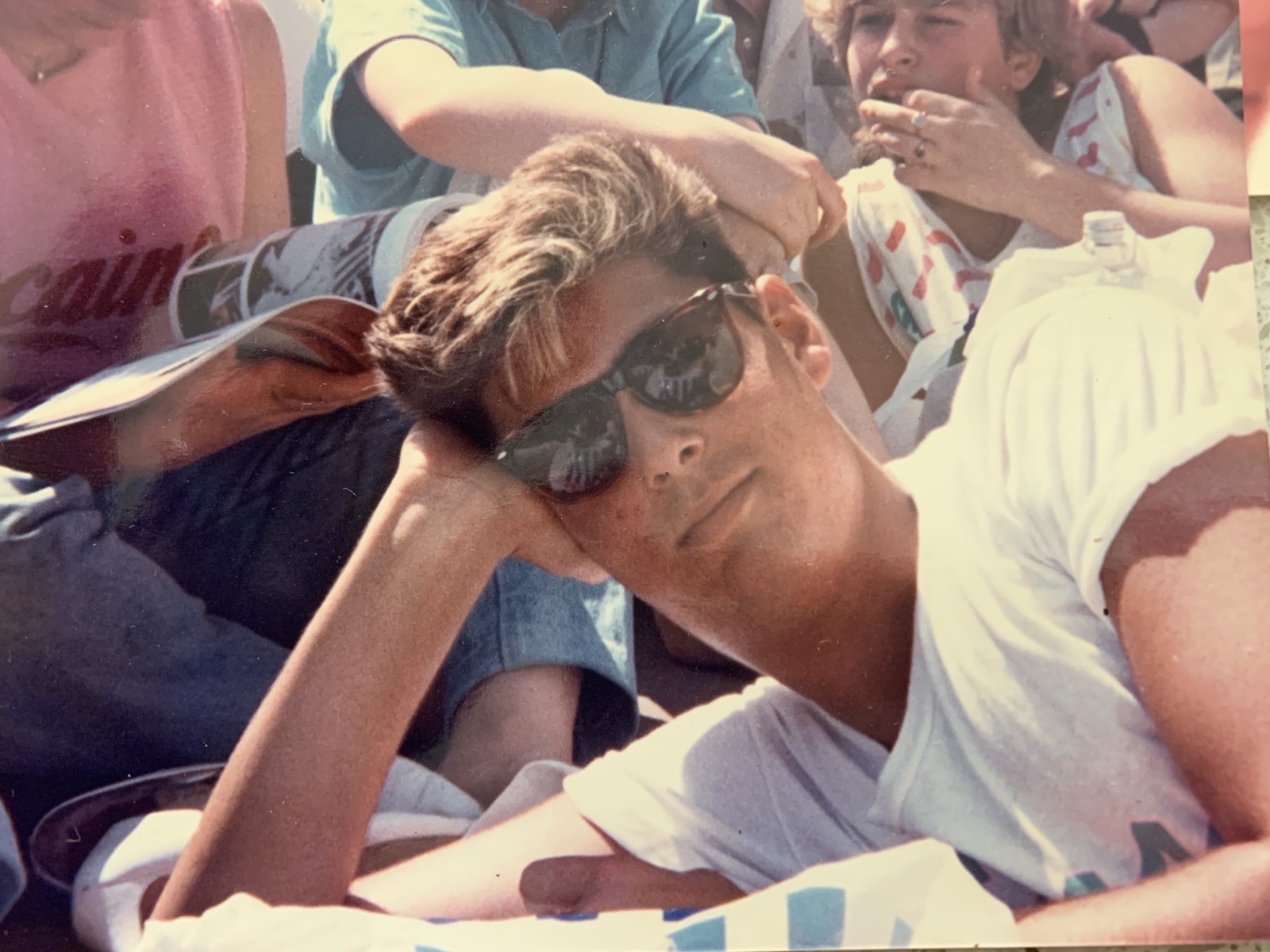
Pal grew up in England, just outside London, with an Indian father and a Dutch mother who, he has said, met on a blind date in Birmingham. The 1980s supplied its own idea of finance: Porsches, champagne and red braces. At university he wrote a dissertation on junk bonds. After graduating in the recession of 1990 with a degree in economics and law, he found his way to James Capel, the brokerage then associated with HSBC. He landed on the stock index derivatives desk without knowing much about futures or options. Six months later his boss left, and Pal found himself running the desk.
There were other stops, including NatWest Markets. At Goldman Sachs he co-managed European hedge fund sales in equities and equity derivatives, spending his days with some of the industry's most formidable investors. He learned how they thought and what they asked for. He also learned to make a memorable entrance. In one interview, he recalled calling Paul Tudor Jones's office and giving the assistant only his first name. “Raoul” was distinctive enough to sound familiar. It was cheeky, strategic and, in a room full of similar shirts, useful.
GLG gave him a seat on the investing side. Yet by the early 2000s, as he tells it, large institutions increasingly wanted smoother monthly results from hedge funds. A macro idea might take six to eighteen months to mature; a performance report arrived every four weeks. Pal felt his method and the industry's incentives were pulling in opposite directions. The departure was a change in business model, but also an attempt to recover the time a thesis needed.
“The industry optimized for short-term performance. I optimized for long game.”Raoul Pal, on leaving fund management
Thirty pages, then the faxes
The writing career had a rehearsal. In 2003, Pal traveled to China with a Morgan Stanley group. He arrived bullish and returned troubled by infrastructure he thought underused. The essay he wrote afterward circulated widely. He had already written for Goldman clients, but this response showed him that readers wanted his interpretation as much as his trades. Researchers Steve and Andres Drobny and Simon Ogus encouraged him to start an independent service. Gottesman became an early subscriber and remained one. Pal's professional network helped open the door; the writing had to keep it open.
The early issues of Global Macro Investor found readers at hedge funds and bank trading desks. Pal wrote about the business cycle and argued for longer investment horizons. The crisis of 2008 enlarged his audience: he says he had forecast the recession and positioned for the financial turmoil. It also created the danger that comes with being publicly right. A new crowd arrived expecting the next call to work just as well.
It did not. Pal says 2009 was his worst year. He stayed too bearish as markets turned and let emotion overrule his own framework. His estimate in a later retrospective was a loss of roughly 50 percent for the recommendations he tracked. He does not present that year as a tidy lesson discovered in real time. His frankness is more useful than a victory lap: the long view can still lead to a very painful wrong turn.
A question outside the trading room
Pal was living in Spain during the 2008 financial crisis and the later European crisis. He says friends and acquaintances of his parents lost savings, pensions and businesses. They asked why they had not known what was coming. For someone selling expensive research to institutions, it was an awkward question. It helped shape Real Vision, which he co-founded in 2014: long video interviews with investors and thinkers, built for people who had never sat at a hedge fund table.
That format changed the relationship between an expert and an audience. An interview could take time to show how a person reached a conclusion. It could also let viewers hear disagreements rather than receive a single polished prediction. Pal became a host and a face of the service as well as its CEO. Real Vision later expanded into courses, research and a community spanning many countries. The scale is substantial: Pal's own site reports more than 100 million views across his videos and podcasts, and more than two million social followers. Those are his reported figures, not a measure of how often an idea proved right.
He also started a personal YouTube channel, The Journey Man, where the subject can move from macroeconomics to technology, art or wine. In the launch announcement, Pal described it as his own learning journey. That phrasing matters. He likes to explain a framework, but he also likes being in the room when a new one is taking shape.
The people around his projects show the range. Noam Gottesman supported the early research service and remained a subscriber. Julien Bittel works with Pal on macro research and digital asset analysis. David Mattin brings a different lens to The Exponentialist, one focused on how emerging technology changes everyday life. Pal's role among them is often the connector: he takes a conversation from one table, carries it to another, and asks what each room has missed. His ventures have grown, but they still depend on that older craft of listening carefully enough to ask a better question.
From banking strain to Bitcoin
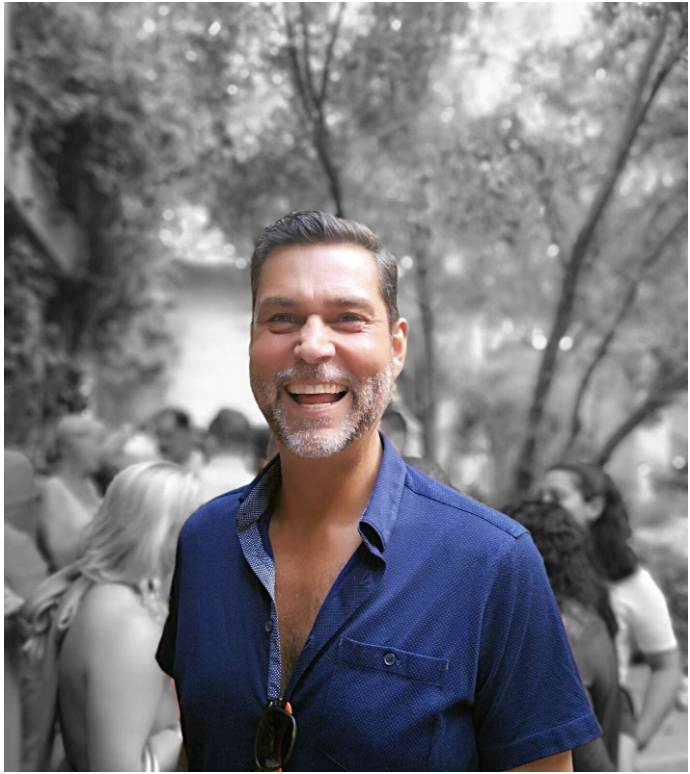
A client introduced Pal to a Bitcoin investment idea at a roundtable in Spain in 2012, when European banks were under strain. Pal saw the proposal through the lens of the financial system's fragility. It became one part of a much larger interest in digital assets and networks. He has since described crypto as an asset class whose adoption could compound with technology, and he discusses it often through the liquidity cycles that have long anchored his macro work. Those are his theses, and the prices can be brutal tests of them.
The shift eventually became a business. Pal co-founded Exponential Age Asset Management, which invests in the digital asset space; Real Vision dates its founding to 2021, while his personal site dates the current venture to 2024. He has also collaborated with researcher Julien Bittel and, with David Mattin, developed The Exponentialist, a research service focused on rapid technological change. Since 2023, his site says, he has served on the Sui Foundation board. Each project puts a related argument into a different form: research, conversation, capital or a technology network.
There is a less expected extension of the idea. Pal collects digital art through a collection called The Culture Vault. At a dinner in Paris with artists, technologists and financiers, he says, the energy around the work became clear to him. In a conversation about his collection, he argued that an artwork can document the culture of the internet. Then he added a wonderfully unquantifiable rule: he will not buy something that does not move him. A man accustomed to charts still leaves room for taste.
A life measured on several scales
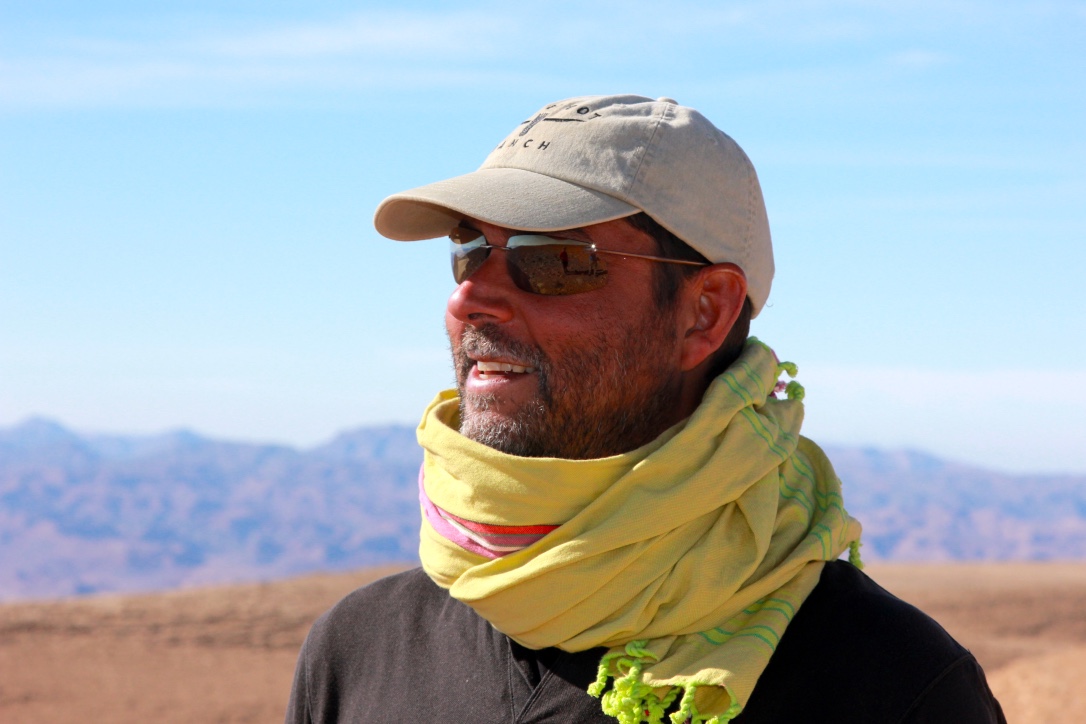
Pal now says he splits his time between Grand Cayman and Little Cayman. He has driven a rally route from Hungary to Mali, crossed several deserts by car and dived among sharks in Papua New Guinea. He keeps mental lists of restaurants and wines, with a particular affection for Spain. The details are hardly a market forecast. They do, however, explain why his public work can veer happily from a bond chart to an artwork to a conversation about the future of the internet. Curiosity is easier to sustain when it has somewhere to go.
His next book, The Everything Code, is scheduled for November 2026. It promises to bring decades of thinking about debt, demographics, technology and liquidity into one account. He is already publishing essays toward a wider idea he calls The Universal Code. It is an ambitious title for a man who once began with a free 30-page letter and a wait beside the fax machine. The common thread is visible without accepting every conclusion: Pal keeps looking for a pattern long enough to outlast the noise around it.
The revealing scene remains that first subscription. There was no viral clip, no ticker, no guarantee that anyone would agree. Only a writer on the Spanish coast, a set of ideas with a long horizon, and someone willing to pay to read the next issue. Finance has changed its screens and vocabulary many times since. Pal is still trying to persuade people to look up from the month's number.