Consider a hypothetical subscription that costs twelve dollars a month. You sign up, hand over your card number, and forget about it. The merchant remembers. Months later, a price increase arrives, or a charge appears after you thought you had cancelled. The difficulty began with an ordinary convenience: one number, handed to many businesses, carrying more permission than you meant to give.
- A separate virtual card for each merchant keeps your underlying payment details out of its hands.
- Spend limits, pauses, and closures let you decide what a card may do.
- The free plan covers domestic use; paid plans add capacity and capabilities.
Privacy.com makes that permission smaller. Create a virtual card, give it to one merchant, and put a ceiling on its spending. A merchant-locked card cannot be used at another business. Close it, and that payment route stops working without disturbing the cards attached to your other shops. The attraction is wonderfully unglamorous: fewer loose ends.
A number with a narrow job
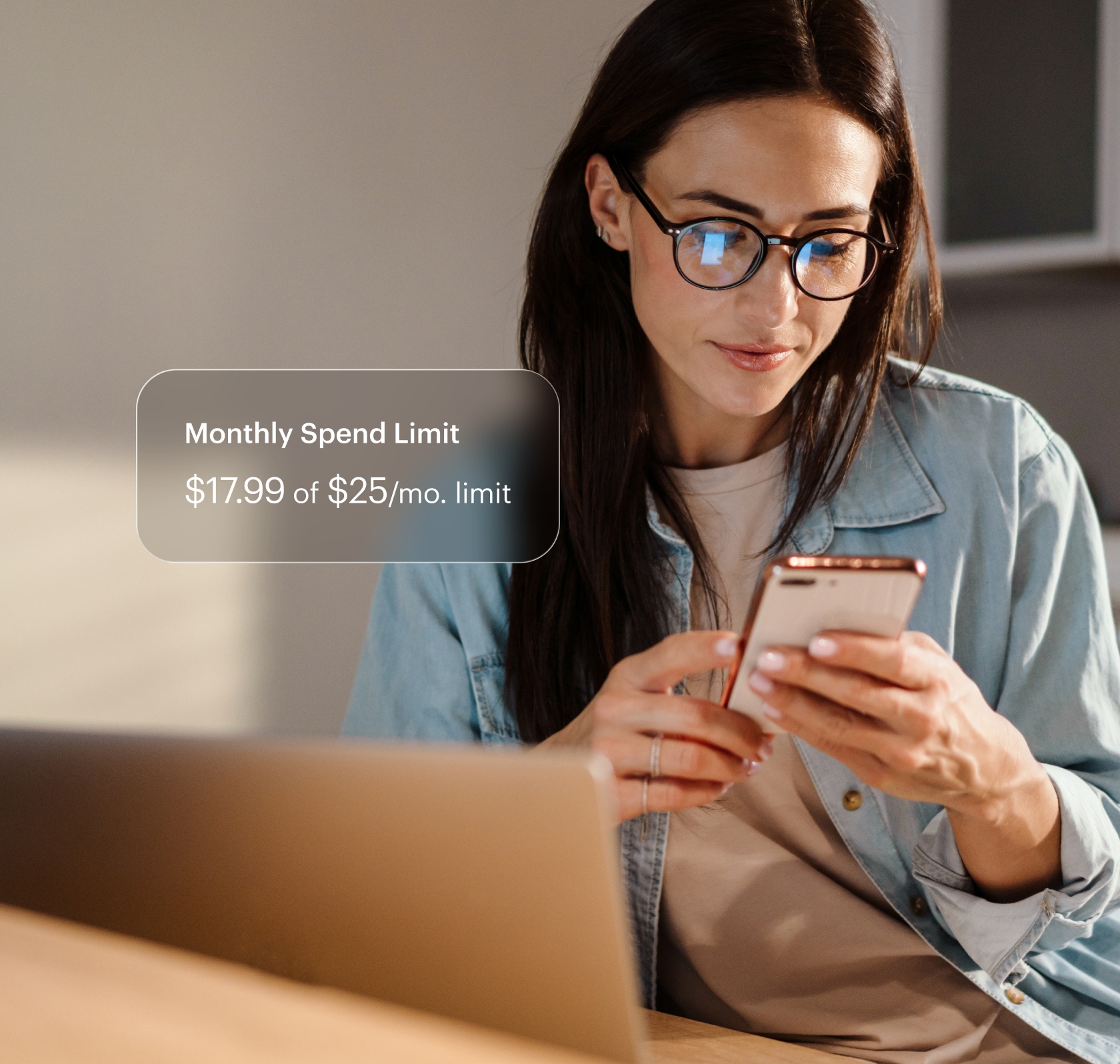
A Privacy card has the familiar ingredients: a number, an expiration date, and a security code. The merchant sees those credentials instead of your underlying financial details. The useful difference lies behind them. Privacy lets customers limit spending by transaction, month, year, or total amount. A request above the limit is declined.
Take that twelve-dollar subscription. A monthly ceiling can make a higher charge fail rather than slip past unnoticed. A single-use card closes after its first transaction. A merchant-locked card stays useful for repeat purchases at the same business. These are different tools for different relationships: a brief encounter, a regular appointment, a standing invitation with conditions.
account
The practical habit is easy to copy: separate your subscriptions, label their cards, and set the limits before checkout. Privacy supplies browser extensions and mobile apps, so the habit need not involve a spreadsheet and a ceremonial afternoon. Its 1Password integration puts card creation and filling alongside password management. Unique credentials for each service make sense in both places.
The plumbing refused to behave
Bo Jiang, Jason Kruse, and David Nichols founded the company in 2014. Their initial ambition sounds modest in retrospect: launch a card program, then build more tools to help people stay safe online. In a later founders’ interview, Jiang recalled expecting the card program to take six months.
“It feels like almost everything was harder.”
Bo Jiang · co-founder
The first expectation to give way was that existing processing infrastructure would comfortably support their plans. The founders describe leaving two legacy platforms. Moving to an older provider with more features did not resolve the deeper problem: the partners’ ambitions and their own were poorly aligned. Fraud losses added another education, administered at inconvenient hours.
They built their own core processing technology. Then businesses wanted access to it. In a 2020 interview with PYMNTS, Jiang described growing business customers asking for an API to automate payments. A dashboard was useful until somebody needed to perform the same operation thousands of times. The machinery underneath the consumer app had acquired customers of its own.
 Bo Jiang
 Jason Kruse
 David Nichols
In May 2021, the broader company became Lithic and announced a $43 million Series B led by Bessemer Venture Partners. A $60 million Series C, led by Stripes, followed in July. Privacy.com continued as the consumer service. Those funding rounds belong to the broader company; they are not a price tag for developing the app.
Free, with an ordinary explanation
Privacy’s economics are less mysterious than its name might suggest. Merchants pay transaction fees, and Privacy earns interchange. Customers can also buy subscriptions. The company says it does not sell their data. Its current Personal plan costs nothing for domestic transactions and allows twelve new cards a month. Foreign transactions carry a three-percent fee, with a fifty-cent minimum.
Card creation quotas, not total purchases. Plans checked October 5, 2026.
Plus costs five dollars monthly and adds category-locked cards, sharing, notes, and API access. Pro costs ten dollars and introduces Everywhere Cards, which work across merchants and through mobile wallets. Premium costs twenty-five dollars and raises the new-card allowance to sixty. Pro and Premium waive foreign transaction fees. Everywhere Cards deliberately relax merchant locking; flexibility changes the protection a card provides.
The audience is online shoppers, subscription collectors, families sharing controlled payment access, and small businesses. Privacy’s homepage advertises more than 600,000 users. Eligible customers are US citizens or legal residents aged eighteen or older with a US checking account. Despite the name, identity verification is part of signing up.
Permission, even when the shopper is software
Privacy occupies a specific corner of payments: customer-managed card credentials. Eligible Capital One customers can also obtain virtual cards from their issuer. Privacy offers its own service with configurable restrictions; Lithic separately supplies infrastructure to companies building card programs. The consumer tool and the enterprise engine serve different buyers.
The boundaries matter. Closing a card blocks payments through that card; it does not cancel your agreement with a subscription provider. Contact the merchant, too. A virtual card also cannot guarantee that a seller delivers good merchandise. It limits payment exposure, rather than settling every quarrel commerce can produce.
An optional MCP connection now lets customers link AI assistants to their accounts, with API access required on Plus or higher. An assistant can create cards, pause them, or examine spending. The customer chooses whether to connect it. Even here, the useful idea remains familiar: decide the permissions before somebody else starts acting on your behalf.
For founders, there is a parallel lesson in the processor story: investigate where a partner intends to go, alongside what it can do today. For shoppers, the lesson fits into a checkout field. Give each merchant a number with a job description. A wallet becomes easier to manage when every invitation has boundaries.