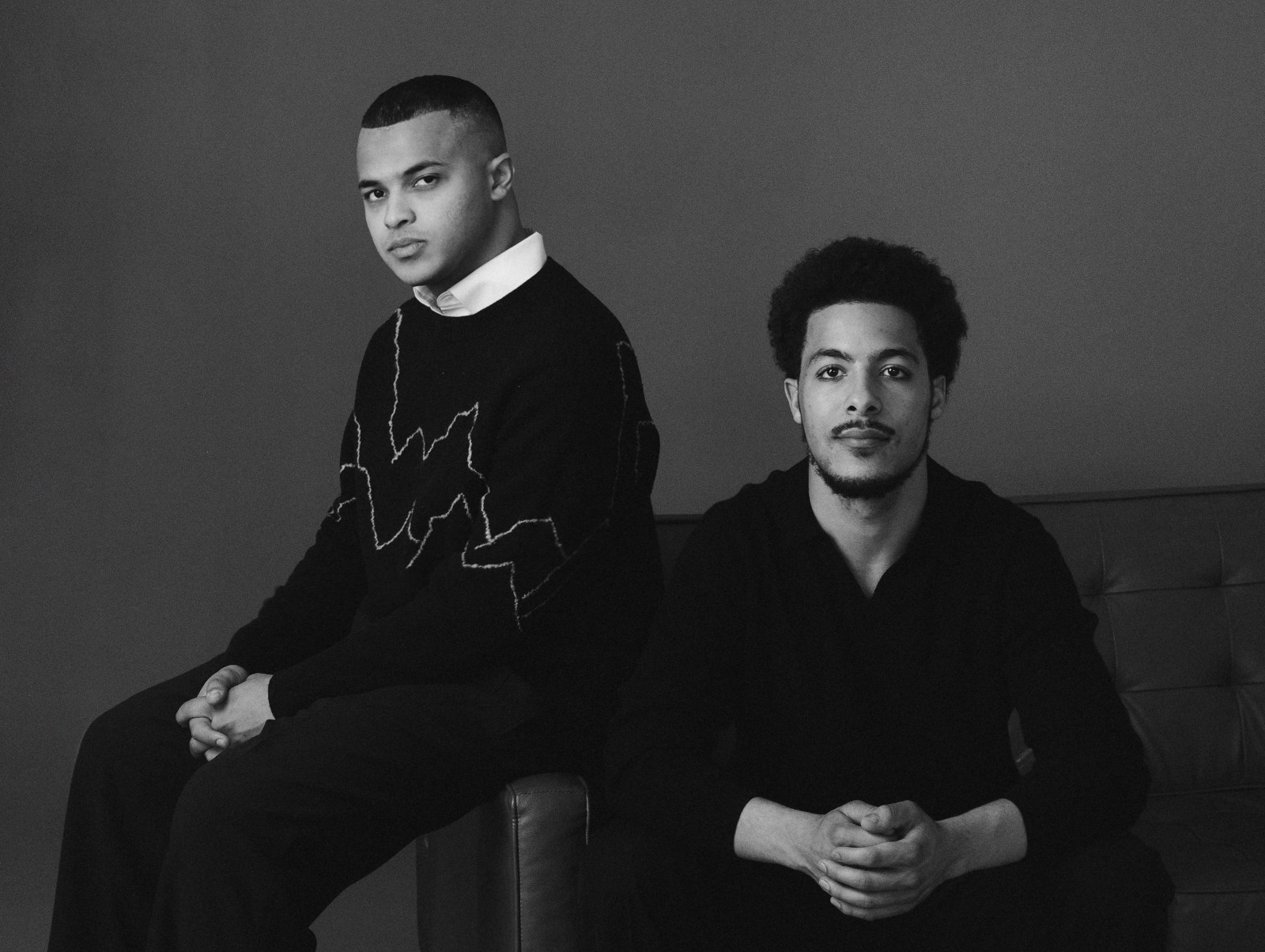
Posh began with the most useful kind of startup research: two young operators getting stiffed. Avante Price was the DJ. Eli Taylor-Lemire shot photos and video. In New York clubs, promoters paid late, rooms landed half-full, and the standard event tools seemed designed for the transaction rather than the people taking the risk. The pair started throwing their own gatherings for college students and young professionals in 2019. Their application asked what a guest might bring to the community. It was still a party, Price later explained, just a little more polished. The adjective supplied the name.
Then the party became software. Price and Taylor-Lemire built a first version in their NYU dorm room, initially to run their own events. When the pandemic emptied venues in 2020, Posh re-emerged as a platform for organizers: customizable pages, ticketing, direct messaging and access to ticket revenue without the familiar backstage scramble. The company did not begin by asking consumers to download another social app. It began by helping the person whose rent depended on Saturday night.
Act IThe unglamorous machinery behind a good night
For an independent organizer, ticketing is only the visible corner of the job. There are tiered prices, guest approvals, promotional links, customer lists, texts, refunds, door scanning, payment schedules and the delicate question of who actually sold what. Posh bundles those jobs into one organizer dashboard. A host can make a branded event page, sell or comp tickets, message past attendees, inspect conversion data and manage the door. Unlike marketplaces that wrap every event in their own identity, Posh keeps its branding quiet enough for the organizer to remain the star.
That matters because a recurring supper club or dance party is not merely inventory. It is a small media brand with a customer list. The product is the trust that the next edition will feel like the last one, only new. Posh treats that organizer as the merchant, closer to Shopify’s relationship with a store owner than a traditional box office’s relationship with a concertgoer.
The numbers now have real weight. By March 2026, Posh said it had processed $350 million in gross ticket volume and 25 million tickets for roughly 50,000 organizers and nearly 8 million users. The largest organizers had each generated more than $10 million on the platform. The customer list stretches from independent nightlife operators to Palm Tree Festival and We Belong Here, plus brand activations involving Lamborghini, Adidas, the NBA, Celsius, HBO and Complex.
Act IIA street team with receipts
The most Posh-like feature is called Kickback. An organizer sets a dollar or percentage commission, invites affiliates or opens the offer to ticket buyers, and gives each participant a tracked link. When that link sells a ticket, the promoter gets paid. Posh handles attribution and payout instead of asking a club manager to decode screenshots and Venmo requests at 2 a.m.
It is old nightlife behavior in a clean software loop. Every scene has a person who can fill the room because they know the right group chats. Kickback turns that social capital into a line item. Posh says the feature produces an average 11 percent of revenue for its 15 leading organizers who use it. The company retains 20 percent of the configured Kickback amount, while the event organizer funds the commission from ticket revenue.
The billWhat it costs, and who pays
Posh’s reported core price is simple enough to explain at the door: organizers pay no platform fee, while buyers pay about 10 percent plus 99 cents on a paid ticket. The exact displayed total can include organizer-defined fees, and Posh now uses all-in pricing so buyers see the checkout cost earlier. Organizers can run free RSVP events, take card payments and choose payout options through a Stripe-connected finance dashboard.
The practical trade
Posh removes the organizer’s upfront software bill and earns when a ticket sells. That lowers the barrier for a new event brand, but a roughly 10 percent buyer charge becomes noticeable on inexpensive tickets. The model works best when built-in SMS, referrals, cash-flow tools and discovery replace enough separate software - or sell enough additional seats - to justify the fee.
In 2024, the company generated roughly $10 million in revenue on more than $83 million in ticket sales. Price said cumulative revenue had reached an estimated $40 million by March 2026. Venture investors have supplied the other fuel: a $5 million seed in 2023, a $22 million Series A in 2024 and a $37 million Series B led by FirstMark in 2026. The latest round also included Causeway Ventures, Goodwater Capital, Companyon Ventures and EPIC Ventures.
The missWhat failed first - and what changed
The original event business exposed the failure first: existing products did not solve the founders’ full operating problem. Ticketing alone could not fix late payments, weak branding, scattered marketing or an unreliable promoter network. That frustration changed the founders’ ambition from hosting a better party to selling the system behind one.
But the second failure is more subtle. Great organizer software does not automatically create a consumer habit. In January 2024, orders originating in Posh’s marketplace app represented 6 percent of ticket orders; by June, the figure had doubled to 12 percent. Encouraging, yes. It also meant most purchases still arrived through organizer-driven channels. The app saw about 350,000 monthly bookings from 300,000 people, a ratio that revealed many one-off visitors. Event supply was strongest later in the year and heavily concentrated in nightlife.
That evidence changed the product emphasis. Posh opened its consumer app, added contact imports and began building personalized discovery around friends, second-degree connections and attendance history. The vision moved from “Shopify for events” toward a feed Price has compared to Netflix: nearby parties, food, fitness, art and activities chosen using the social graph. The useful signal is not a heart tapped on a screen. It is who is going.
The marketBetween the invitation and the arena
Posh sits in a crowded aisle. Eventbrite and Ticket Tailor handle self-serve ticketing. Partiful and Luma make invitations social. Dice, Resident Advisor and Xceed know music and nightlife. Ticketmaster and AXS serve the arena end of the market. Posh is pursuing the broad, culture-led middle: events big enough to be businesses, small enough that the crowd changes the experience.
Its differentiation is a stack rather than a single trick. Organizer branding stays prominent. SMS and attendee data are native. Referral commissions are built in. Payout options address working capital. Discovery can see the same transaction and attendance graph created by the organizer tools. The bet is that these pieces reinforce one another: better operators make better events; better events create richer consumer signals; better recommendations deliver more buyers to operators.
Steal thisThe Posh playbook, without the wristband
Find the operator losing time or cash. Posh’s wedge was not “make friends”; it was pages, payouts, messaging and attribution.
Transactions generate revenue, identity and behavioral data. A vague community does not.
Kickback copied the street team’s actual workflow, then removed the spreadsheet and payout chase.
The organizer’s brand is part of the merchandise. Quiet platform branding makes the tool easier to trust.
A founder can copy the sequence even outside events. Serve the supplier’s painful workflow. Capture a transaction that proves value. Turn informal distribution into trackable incentives. Add consumer discovery only after there is enough supply to recommend. Posh’s history is less a lesson in parties than in marketplace choreography.
The limitWhen the playbook stops working
The formula breaks where local density is thin. A social event feed is only as good as tonight’s inventory within traveling distance, and recommendations feel foolish after two irrelevant openings. It also weakens for one-off, high-production events that need reserved seating, enterprise contracts or global distribution more than community CRM. Organizers with large existing email and SMS systems may not value an all-in-one stack. Buyers of cheap tickets may resent a percentage fee. And referral incentives cannot rescue an event nobody wants.
There is a cultural risk, too. A feed designed to cure indecision can become another feed that consumes attention. Posh’s stated vision is explicitly skeptical of digital life that replaces physical connection. The cleanest measure of success, then, is not session length. It is whether the session ends - with the phone back in a pocket and its owner through the door.