Borui Wang received a camera as a gift and discovered a slightly impolite truth about photography: owning a camera is the easy part. Getting the picture in your head onto the screen can consume the rest of the afternoon. He spent time correcting what the camera had missed. At Stanford, he met Derek Yan and Enhao Gong; in 2014, the three founded Polarr. Their wager was that editing could feel less like operating a cockpit and more like having a useful conversation with an image.
- Polarr makes photo and video editors, shareable creator filters, and computer vision tools for device makers.
- Its professional workflow, Polarr Next, learns from reference edits and keeps photos on the user’s computer.
- Pixieset acquired Polarr in May 2025. Polarr Next is moving into Pixieset Photo Editor.
That first bet arrived as an accessible photo editor. Polarr’s mobile release in 2015 reportedly collected 250,000 downloads in its first 48 hours. The number has the gleam of a launch story, but Wang’s explanation of the product was more restrained. He told the Stanford Daily that Polarr was “pretty much a pro editor made for everyone.” He also said it was not the most feature-rich app. A few essential features, handled carefully, mattered more than a crowded menu.
The picture looked good. The process did not.
Polarr Photo Editor offered color and light adjustments, masks, retouching, overlays, and filters on phones. Polarr Pro extended advanced editing across phone, desktop, and web. The app invited users to create their own filters and pass them around; the later 24FPS app let a photo filter travel into video, even via a scanned QR code. A filter here was a small portable statement of taste. Make one, share it, let a stranger apply it to a different afternoon.
The audience widened in two directions. Consumers searched millions of creator-made filters. More exacting users paid subscriptions for advanced tools and cross-platform access. Polarr also set up a Creator Fund that tied potential payouts to how often paying users exported images with public filters. It is a shrewd little loop: the software gives creators a reason to make something others want, and creators give the software more reasons to be opened. Payments are conditional and the rules can change; the mechanism still shows how Polarr thought about distribution.
Meanwhile Polarr was selling a less visible product. Its Vision Engine put computer vision inside other companies’ devices: camera guidance, real-time effects, image enhancement, and album curation. Samsung used its machine-guided shot suggestion in the Galaxy S10. The company names LG, OPPO, Lenovo, Western Digital, and others among its use cases. Polarr says its SDKs reached more than 100 million mobile phone users. That is a company-reported reach figure, not the number of people who installed Polarr’s app.
The 2019 funding round, led by Threshold Ventures with Cota Capital and Pear VC participating, was meant in part to solve an ungainly engineering problem. Phones from different makers have different sensors, processors, heat limits, and batteries. A clever demo on one handset does not automatically become a dependable feature on six brands. Polarr’s device work made its preference for local processing practical as well as philosophical: an edit that happens on the device can be fast, and the original file need not make a round trip to a server.
Then the editor began taking notes
For a working photographer, the problem is rarely one lovely image. It is a wedding in a dozen kinds of light, a thousand RAW files, and a gallery that must still look as if one person made it. Conventional presets can impose the same settings on very different scenes. Polarr Next took a more personal route: pick a folder, cull the images, edit a few as references, and let the software apply what it learns to the rest. Change an edit and the system can incorporate that correction into related photographs.
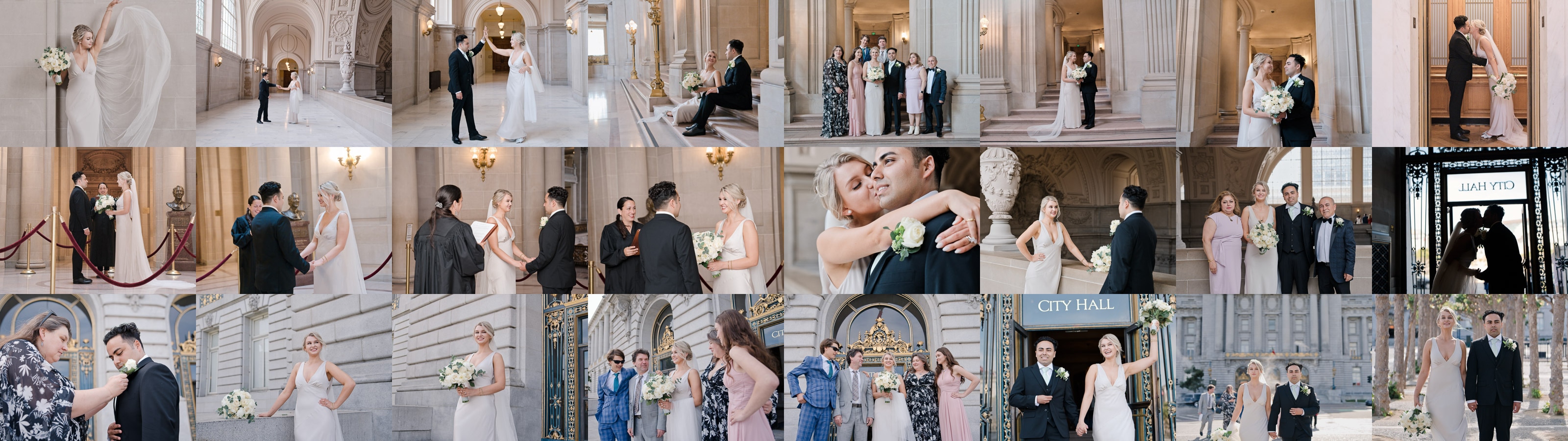
Next’s browser interface could suggest keepers, recognize faces, and group similar frames. Its editing system learned global adjustments and local masks, including subjects, backgrounds, radial areas, and gradients. In a 2025 update it could even build an AI Style from up to 50 already edited Lightroom photos. The attraction is plain: a photographer’s taste is not an accessory to automation; it is the material the automation studies.
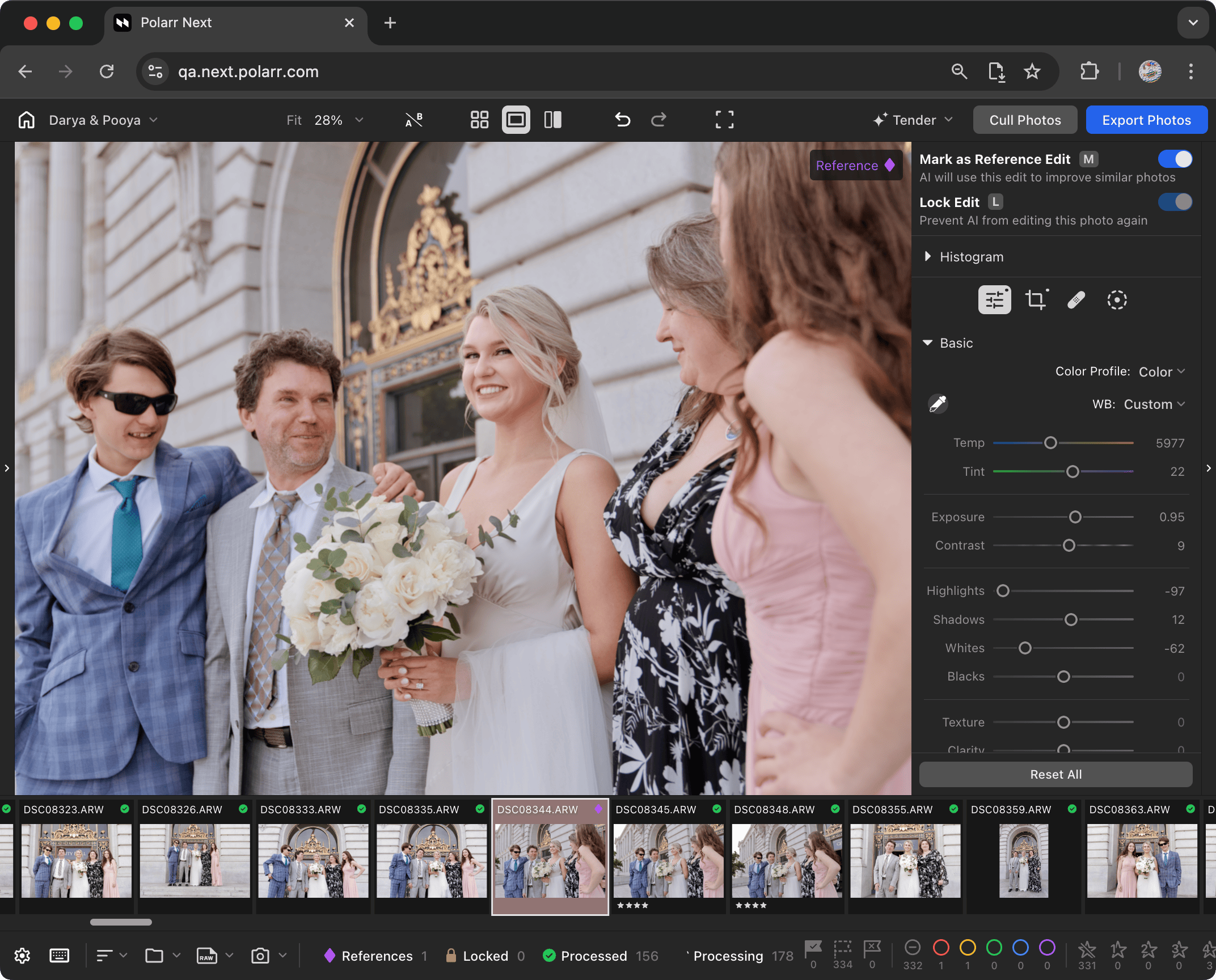
The local part deserves a closer look. Polarr says Next keeps photos, editing data, and AI training data on the user’s computer, while syncing account and payment information. It offered both a Chrome-based web application and a desktop window. This is an unusual combination: browser distribution with demanding RAW work and private local files. It also has conditions. Polarr recommends substantial hardware, such as an Apple M1 or a Windows machine with an RTX 2060-class GPU. The desktop app still needs an internet connection to log in. Those details matter to anyone planning a production workflow.
“We basically do certain things a little bit better than the best.”Borui Wang, on Polarr’s product approach in 2015
There were visible revisions. Polarr’s changelog records bugs in export, rendering, masks, and project loading, plus a 2024 redesign after users found existing AI styles difficult to manage. AI culling keeper suggestions were labeled experimental because a score for “best” can be a judgment disguised as a number. These are useful reminders for anyone copying the idea. Start with a concrete repeated task, let the user correct the machine, and keep the corrections visible. A style learner is less useful when the user cannot understand or steer what it has learned.
A new address for the darkroom
Pixieset acquired Polarr in May 2025. In 2026, Pixieset introduced Photo Editor, bringing culling, editing, and gallery delivery into the same workspace. Polarr Next says its standalone service will no longer be available after October 13, 2026 as it transitions to the Pixieset product. What is visible is the strategic fit: Polarr built a way to finish a gallery; Pixieset already helps photographers deliver it and run the client side of the business.
That makes the acquisition more than a change of logo. A photographer can now move from sorting a shoot to editing it to delivering a client gallery in one environment. Whether that consolidation is better for a particular studio depends on its equipment, existing catalog, preferred editor, and tolerance for changing workflows. A studio with deep Lightroom habits may find the migration cost more persuasive than any time-saving claim. Polarr’s own marketing cites an 80 percent reduction in editing workload after two sessions, but that is its reported average, not a promise for every job.
The interesting thing about Polarr is how often it changed the unit of work. First it improved one image. Then it made a look shareable. Then it packaged image intelligence for phone makers. Finally it treated an entire shoot as something a computer could learn to edit in the photographer’s voice. Wang once described the aim as helping people get the beautiful image in their minds onto a screen. The company’s answer kept changing with the screen. The ambition stayed remarkably specific: fewer mechanical steps between seeing a picture and making it.