There is a small instruction in PharMerica’s Hudson Valley pharmacy procedures that explains the company better than a slogan could. New medication orders have a 3 p.m. cutoff. Refills should be requested four to five days before the last dose. An urgent order requires a phone call. The sheet asks for the resident’s name, medication, dose and time of the next dose. Healthcare, reduced to the details someone has to get right before the delivery leaves.
- Pharmacy services for nursing facilities, senior living and other complex-care settings.
- The offer bundles medication with packaging, delivery, clinical advice and records.
- Its home-care partnerships test how far that coordination can travel.
The three o’clock test
A prescription tells a pharmacist what to dispense. It cannot, by itself, tell a nursing station how to manage a late admission, a changed order or an approaching empty packet. PharMerica sells services around those moments: emergency and first-dose access, electronic prescribing, billing assistance, consultant pharmacists and staff education. Its long-term care offer treats delivery and regulatory preparation as parts of the same relationship.
The customers include skilled nursing operators, senior living communities and providers serving people with intellectual or developmental disabilities and behavioral health needs. Ciel Senior Living is a named customer. New York’s Office of General Services selected PharMerica as one of several pharmacy contractors under a statewide award running from August 2022 to August 2027. These are organizations purchasing a working routine for many people.
- 01Prescribe
- 02Check + pack
- 03Deliver
- 04Give + update
Built by combination
PharMerica’s origin is fittingly organizational. On July 31, 2007, Kindred Healthcare and AmerisourceBergen combined their institutional pharmacy businesses into a new public company. It began with more than 120 institutional pharmacies and approximately 310,000 beds served. This was an assembled network with existing responsibilities, rather than a little shop waiting to discover a market.
A decade later, KKR and minority investor Walgreens Boots Alliance agreed to take it private. The announced price was approximately $1.4 billion, including debt, or $29.25 per share. PharMerica combined with BrightSpring in 2019, bringing pharmacy and home and community care into the same platform. The strategic logic was coordination across settings.
That connection is a meaningful part of its positioning. Guardian Pharmacy also offers local service supported by national resources, so that phrase alone establishes little distinction. PharMerica’s case rests on the combination of pharmacy operations, clinical support and access to a broader care platform. Scott Greenwell, previously president of Humana’s Pharmacy Solutions business, became PharMerica’s president in June 2025.
The expensive part is the handoff
Consider a resident who leaves a facility. The pharmacy needs that information before it prepares another unnecessary fill. PharMerica’s PointClickCare data feed uses automated updates for admissions, discharges and transfers, replacing manual work and screen scraping. Its activation instructions contain a useful catch: the facility also needs the PCC-PharMerica IMM integration. Buying software does not remove the work of connecting it.
The economics are similarly specific. Facilities, insurers and patients pay according to contracts and coverage. PharMerica supports formulary management and clinically appropriate substitutions, while its TherapySelect program offers a per diem formulary. The exclusions matter: the product sheet excludes, among other categories, specialty drugs and medications costing more than $25 per day. A daily rate still needs a careful reading.
The sheet asks for the time of the next dose. That is the deadline the whole operation serves.
The operational detail that matters
A pharmacy on the kitchen counter
The next handoff is harder to supervise: going home. PharMerica’s Continue Care offer combines medication management with nurse outreach and home-based care. The company says the transitional program can provide up to 44 days of medications at home. Reviews and follow-up address a practical gap between leaving a supervised setting and managing a regimen independently.
There is promising evidence, with qualifications. A 2023 company announcement described a Continue Care Rx study in which 113 enrolled home-health patients had a hospitalization rate 73.1 percent lower than 21,304 controls. Eligibility depended on pharmacy insurance coverage. Those unequal, nonrandomized groups make the result an association worth investigating, rather than a forecast for every patient.
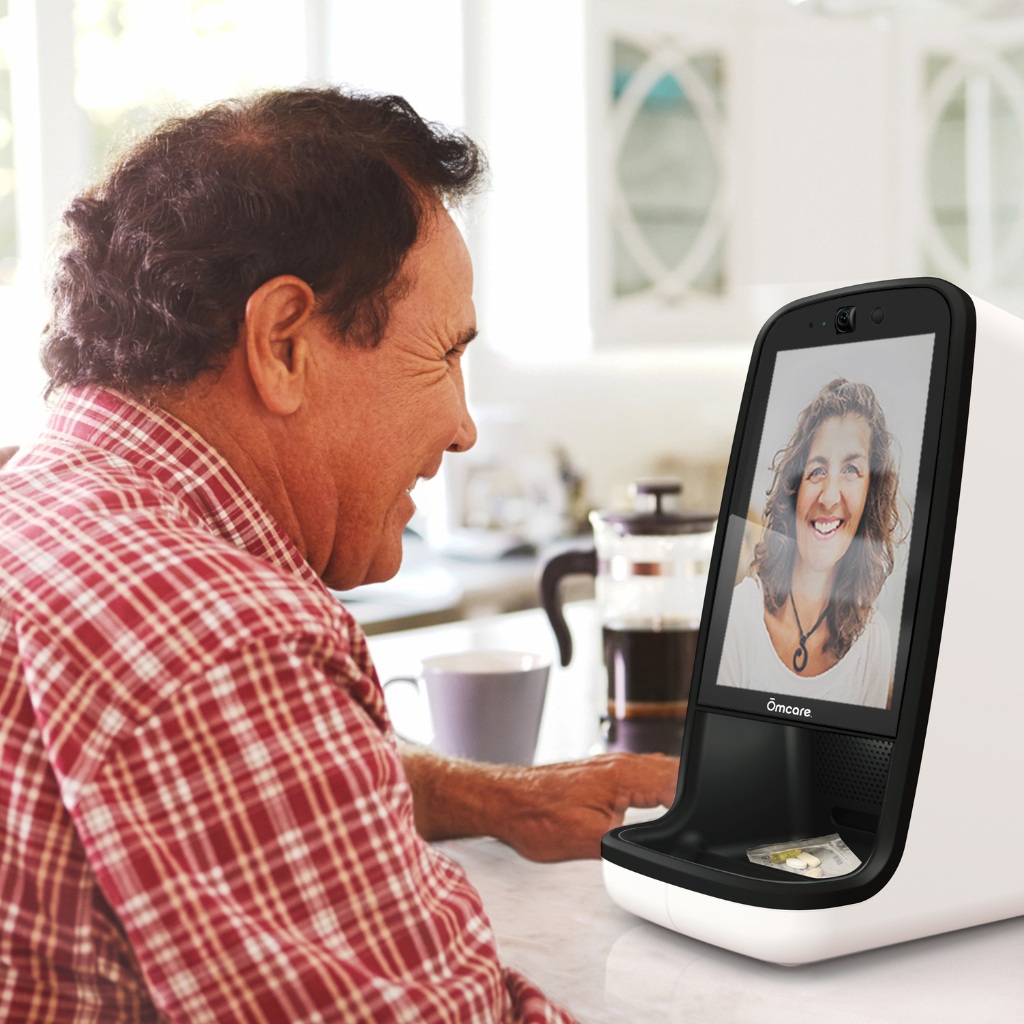
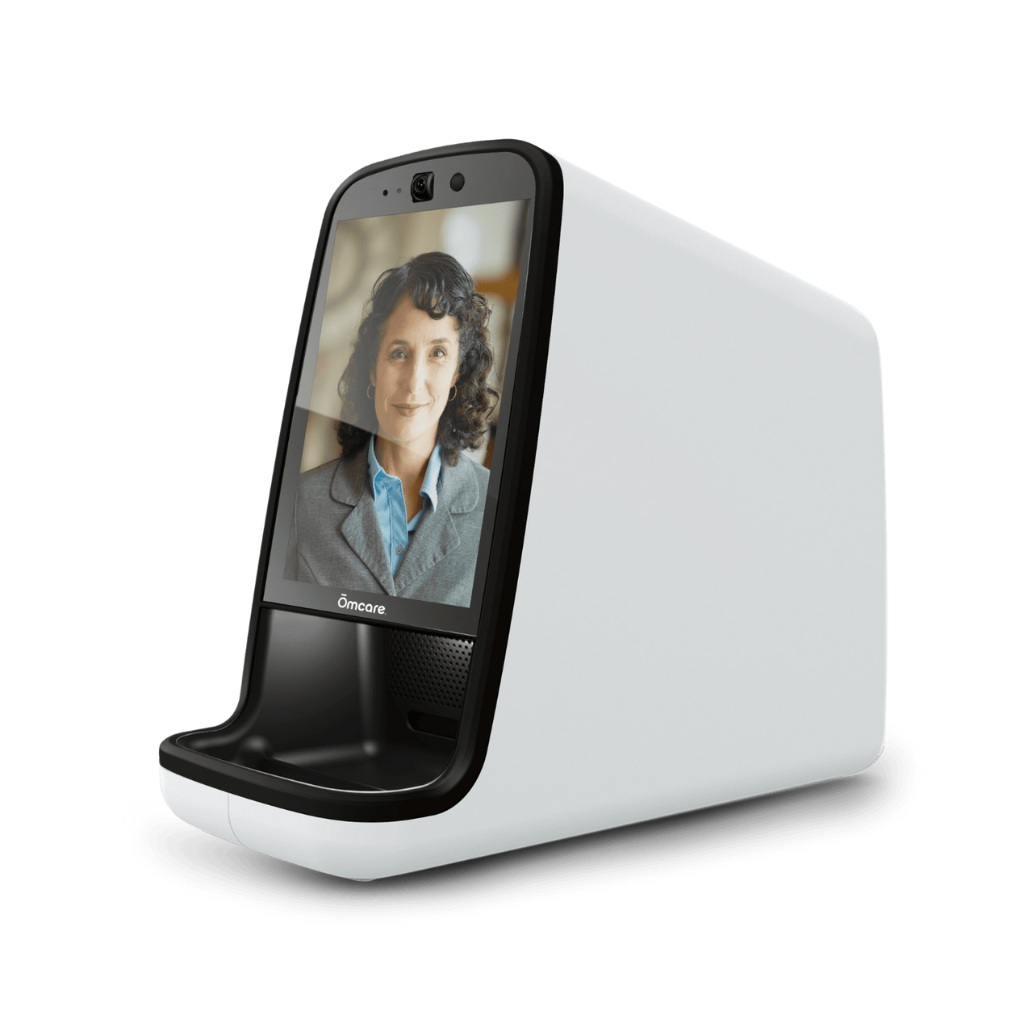
Then came hardware partnerships: Ōmcare in 2024 and Spencer Health Solutions in 2025. A May 2026 announcement described a six-month rural pilot combining home delivery, automated dispensing, pharmacy support and monthly nurse check-ins. The University of Minnesota’s Center for Healthy Aging & Innovation leads its evaluation. Feasibility and scalability are questions the pilot is designed to answer.
On-time delivery
PharMerica also reports 99.8% order completion on its company overview. The page gives no measurement period; treat these as reported service figures rather than an independent audit.The records have to hold up
A company selling compliance support must face scrutiny itself. In an October 2025 settlement, PharMerica paid $778,000 over alleged controlled-substance recordkeeping failures at a Houston pharmacy identified during a June 2024 inspection. The Justice Department said records were incomplete or inaccurate for all eight audited substances. The settlement included no admission of liability. The episode puts a concrete price on inadequate records.
Data security belongs in that assessment too. A Maine breach notification reports that a March 2023 incident affected 5,815,591 people. The settlement administrator describes a $5.275 million fund, with credit monitoring paid separately. Medication logistics involves sensitive information as well as physical goods. Both need protection.
For an operator evaluating PharMerica, the useful questions follow naturally. Which pharmacy serves the building? What are its cutoff and emergency procedures? Which integrations are required? What falls outside the quoted rate? Ask for evidence of delivery performance, clinical follow-through and recordkeeping. Those questions matter more than a national footprint on a brochure.
The idea a reader can copy is visible on that local instruction sheet: name the deadline, specify the information and make the urgent route explicit. It depends on staff sending accurate updates and someone responding when the routine fails. PharMerica’s business is built around that exchange. At the other end of it is a person waiting for the next dose.